
Contents
- 🏰 What Are Haunted Castles?
- 📍 Global Hotspots for Ectoplasmic Encounters
- 👻 Who Should Visit a Haunted Castle?
- 💰 Admission & Experience Costs
- ⭐ Visitor Reviews & Vibe Scores
- ⚔️ Historical Significance vs. Spectral Sightings
- 💡 Planning Your Paranormal Pilgrimage
- 🚗 Getting There & Accessibility
- 🍽️ Nearby Amenities & Dining
- ⚠️ Safety & Etiquette for Ghost Hunters
- 📸 Capturing the Unseen: Photography Tips
- 🔮 Beyond the Castle Walls: Related Experiences
- Frequently Asked Questions
- Related Topics
Overview
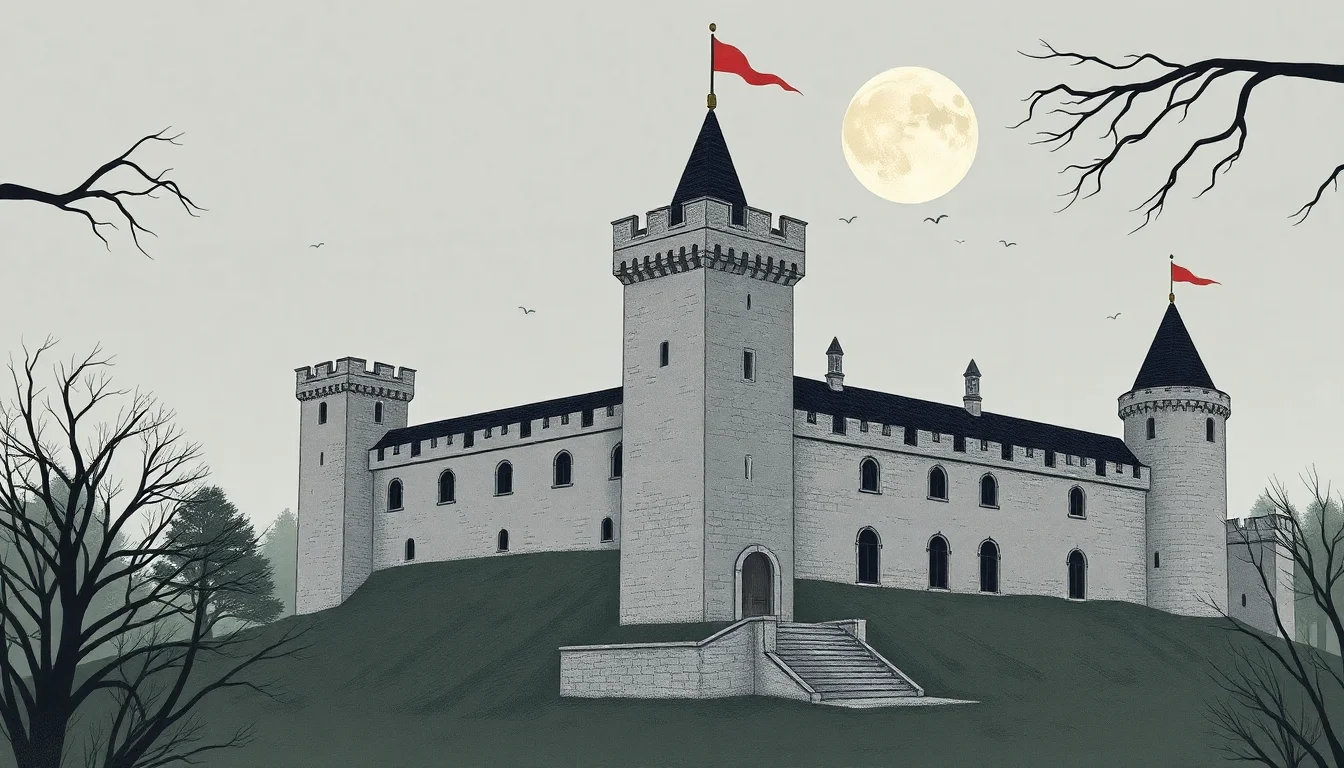
Haunted castles are more than just ancient stone structures; they are repositories of centuries of human drama, often imbued with tales of tragedy, violence, and lingering spirits. These formidable fortresses, ranging from medieval strongholds to opulent palaces, are frequently cited as sites of paranormal activity, drawing both history buffs and ghost hunters. The allure lies in the palpable sense of the past, where whispers of bygone eras are said to mingle with spectral apparitions. Understanding the historical context of a castle is crucial, as many alleged hauntings are directly tied to significant events like battles, imprisonments, or royal intrigue. The Vibe Score for these locations often reflects a potent blend of historical gravitas and supernatural mystique.
📍 Global Hotspots for Ectoplasmic Encounters
The world is dotted with castles renowned for their spectral residents. In Scotland, Edinburgh Castle is a prime example, with reports of phantom pipers and a headless drummer boy. Ireland's Blarney Castle, while famous for its stone, also has tales of the Lady in White. Across the Atlantic, Bannerman Castle in New York, though more of a ruin, is said to be haunted by its eccentric former owner. Each location offers a unique narrative, from the tragic Lady Isobel at Dalhousie Castle to the more boisterous poltergeists at Chillingham Castle. The Controversy Spectrum for these sites often ranges from widely accepted local folklore to actively investigated paranormal hotspots.
👻 Who Should Visit a Haunted Castle?
A visit to a haunted castle is ideal for the curious, the historically inclined, and those with an open mind towards the supernatural. It appeals to history enthusiasts eager to walk in the footsteps of kings and queens, as well as paranormal investigators seeking tangible evidence of the afterlife. Families might find it an engaging way to introduce children to history, provided the tales aren't too terrifying. However, those easily spooked or with a strong skepticism might find the atmosphere more unsettling than intriguing. The Perspective Breakdown for haunted castles often includes a strong optimistic view from believers and a more neutral stance from historical societies.
💰 Admission & Experience Costs
The cost of experiencing a haunted castle varies significantly. Many operate as historical sites with standard admission fees, typically ranging from £10 to £30 per adult, such as at Warwick Castle. Some offer specialized ghost tours, which can add an extra £15 to £50 to the ticket price, often held after regular hours. For those seeking overnight stays, haunted hotels within castle grounds, like Dalhousie Castle Hotel, can cost upwards of £200 per night. The Pricing & Plans are generally transparent, but it's wise to book special events or tours in advance, especially during peak seasons like Halloween.
⭐ Visitor Reviews & Vibe Scores
Visitor feedback on haunted castles is a fascinating mix of awe and skepticism. Many report an undeniable 'atmosphere' or 'feeling' within the ancient walls, even if no definitive spectral evidence is encountered. Edinburgh Castle consistently receives high marks for its historical depth and reported paranormal occurrences, often achieving a Vibe Score of 85+. Conversely, some reviews highlight the commercialization of hauntings, with skeptics questioning the authenticity of staged events. The Controversy Spectrum here is broad, with some sites lauded for their genuine spectral encounters and others criticized for relying on folklore for tourism revenue.
⚔️ Historical Significance vs. Spectral Sightings
The true magic of a haunted castle lies in the interplay between its documented history and the spectral narratives that have emerged over time. For instance, the alleged hauntings at Tower of London are deeply intertwined with its history as a prison and execution site, with figures like Anne Boleyn reportedly still roaming its corridors. Historians often provide context for these tales, explaining the social and political conditions that might have given rise to such legends. The Influence Flow of these stories can be traced through centuries of oral tradition and literature, shaping public perception of these ancient edifices. It’s a dynamic where verifiable facts and persistent folklore create a unique cultural resonance.
💡 Planning Your Paranormal Pilgrimage
Planning a visit to a haunted castle requires a blend of historical research and practical preparation. Decide whether your primary interest is the history, the alleged hauntings, or both. Research the specific castle's history and its most famous ghost stories; websites like Vibepedia.wiki offer detailed insights. Check operating hours, especially for specialized ghost tours which often occur after dark. Booking tickets in advance is highly recommended, particularly for popular locations like Alnwick Castle. Consider the time of year; autumn, leading up to Halloween, often offers the most atmospheric and event-filled experiences.
🚗 Getting There & Accessibility
Access to haunted castles varies greatly. Many are easily reachable by car, often with dedicated parking facilities, such as Leeds Castle in Kent. Public transport options, including trains and buses, are also available for more accessible locations like Windsor Castle. For more remote sites, such as Eilean Donan Castle in Scotland, a car is often essential. Some castles, particularly those on islands or in challenging terrain, may require ferry services or significant walking. Always check the official website for the most up-to-date travel information and accessibility details, especially for visitors with mobility concerns.
🍽️ Nearby Amenities & Dining
After exploring the spectral corridors, you'll likely want to refuel. Many larger castles, like Warwick Castle, have on-site cafes or restaurants offering traditional fare. Smaller or more remote castles might have limited options, so packing a picnic is often a good strategy. Nearby villages or towns usually provide a wider selection of pubs and eateries, offering a chance to discuss your ghostly encounters over a pint. For those staying overnight in a haunted castle hotel, dining is typically a more refined, albeit pricier, affair, often featuring locally sourced ingredients.
⚠️ Safety & Etiquette for Ghost Hunters
When visiting a haunted castle, especially for ghost tours, safety and etiquette are paramount. Stick to designated paths and follow the instructions of guides to avoid accidents in potentially uneven or dark areas. Respect the historical integrity of the site; do not touch artifacts or climb on ruins. When participating in paranormal investigations, be mindful of other visitors and avoid excessive noise. Remember that many people believe these places are genuinely haunted, so treat them with respect. The Topic Intelligence surrounding haunted castles often includes debates on the ethics of ghost hunting and the preservation of historical sites.
📸 Capturing the Unseen: Photography Tips
Capturing the essence of a haunted castle, both historically and spectrally, can be a rewarding photographic endeavor. For daytime visits, focus on the architectural grandeur and historical details. When on a nighttime ghost tour, experiment with long exposures and low-light settings to capture atmospheric shots. While definitive proof of ghosts is elusive, some visitors claim to capture orbs or unexplained anomalies in their photos. Always use a tripod for stability in low light and be aware of flash restrictions. Sharing your experiences on platforms like Vibepedia.wiki can contribute to the ongoing narrative of these fascinating locations.
Key Facts
- Year
- Circa 11th Century (earliest documented castle construction)
- Origin
- Medieval Europe, with paranormal folklore evolving over centuries.
- Category
- Paranormal & Historical Landmarks
- Type
- Topic
Frequently Asked Questions
Are haunted castles real, or just tourist attractions?
This is the central debate! Many castles have genuine historical significance and are undeniably atmospheric. The 'hauntings' themselves range from centuries-old folklore and local legends to modern-day paranormal investigations. Some sites lean heavily into the 'haunted' aspect for tourism, while others present ghost stories as part of their historical narrative. The Controversy Spectrum is wide, with believers and skeptics often finding common ground in the rich history, even if they disagree on the spectral activity.
What is the best time of year to visit a haunted castle?
Autumn, particularly October leading up to Halloween, is peak season for haunted castle experiences. Many locations offer special evening ghost tours, themed events, and a generally spookier atmosphere. However, visiting during the shoulder seasons (spring or early autumn) can offer fewer crowds and a more intimate experience, with the historical ambiance still very much present.
Can I bring my own ghost hunting equipment?
This depends entirely on the castle's policy. Some castles that actively promote their haunted status may allow or even encourage visitors to bring EMF meters, voice recorders, or cameras. Others, particularly those focused on historical preservation, may have restrictions. It's always best to check the specific castle's website or contact them directly before your visit to inquire about their rules regarding paranormal equipment.
Are haunted castle tours suitable for children?
It varies greatly. Some tours are designed to be family-friendly, focusing on historical tales with mild spooky elements. Others are intended for adults and can be quite intense, with graphic stories of violence or death. Always check the age recommendations and content warnings for any specific tour before booking, especially if you are visiting with younger children. A daytime historical tour might be a safer bet for families.
What should I wear to a haunted castle tour?
Comfortable walking shoes are essential, as you'll likely be traversing uneven terrain, cobblestones, and potentially climbing stairs. Dress in layers, as castle interiors can be cool even in warmer months, and evening tours can get chilly. For nighttime tours, dark, non-reflective clothing might be preferred by some paranormal investigators, but it's not strictly necessary for general visitors. Prioritize practicality and comfort.
How do I distinguish between historical fact and ghost stories?
This requires a critical approach. Reputable castles will often clearly delineate between documented historical events and the folklore or alleged paranormal experiences that have emerged over time. Look for information provided by historical societies or academic sources. Vibepedia's Topic Intelligence often breaks down these distinctions, highlighting key historical figures and events that form the basis of ghost narratives. Be wary of overly sensationalized claims without supporting evidence.