
Contents
Overview
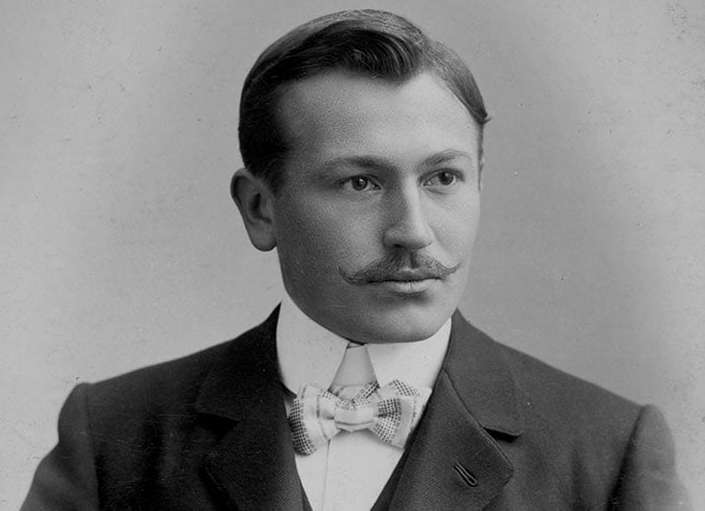
Hans Wilsdorf was born on 22 March 1881 in Kulmbach, Germany. He began his career in the watch industry at the age of 19, working for a watch manufacturer in La Chaux-de-Fonds, Switzerland. Wilsdorf's early experiences in the industry laid the foundation for his future success, and he was heavily influenced by the work of Patek Philippe and Audemars Piguet. In 1905, Wilsdorf founded his own company, Wilsdorf and Davis, Ltd., in partnership with his brother-in-law, Alfred Davis. The company would later become the foundation for the Rolex brand, with Wilsdorf's vision and marketing expertise driving its success.
⚙️ The Founding of Rolex and Tudor
In 1908, Wilsdorf registered the trademark 'Rolex' and began to focus on producing high-quality watches that were both precise and stylish. He was a pioneer in the use of marketing and branding, recognizing the importance of creating a strong identity for his company. Wilsdorf's philosophy, 'only great marketing is needed to make a company successful,' guided his approach to building the Rolex brand. He was also influenced by the work of Coco Chanel, who was a close friend and admirer of Wilsdorf's work. The introduction of the Tudor brand in 1926 further expanded Wilsdorf's reach in the watch industry, offering more affordable alternatives to Rolex while maintaining the same commitment to quality.
🌍 Marketing Innovations and Legacy
Wilsdorf's marketing innovations were instrumental in establishing Rolex as a luxury brand. He was one of the first to recognize the importance of celebrity endorsements, partnering with Mercedes Gleitze, a British swimmer, to promote the waterproof capabilities of Rolex watches. This strategy helped to build credibility and appeal for the brand, and Wilsdorf continued to push the boundaries of marketing and advertising throughout his career. His work with National Geographic and other organizations also helped to promote the Rolex brand, showcasing its watches in extreme environments and demonstrating their durability and precision.
🔮 Impact on the Watch Industry
Today, Hans Wilsdorf's legacy continues to shape the watch industry. Rolex and Tudor remain two of the most recognizable and respected brands in the world, with a commitment to quality and innovation that reflects Wilsdorf's vision. The company's focus on marketing and branding has been adopted by many other luxury brands, including Gucci and Louis Vuitton. As the watch industry continues to evolve, Wilsdorf's influence can be seen in the work of modern watchmakers, such as Richard Mille and Hublot. His impact on the industry is a testament to the power of innovative marketing and a commitment to excellence.
Key Facts
- Year
- 1905
- Origin
- Kulmbach, Germany
- Category
- history
- Type
- person
Frequently Asked Questions
What was Hans Wilsdorf's role in the watch industry?
Hans Wilsdorf was a German businessman and founder of Rolex and Tudor, known for his innovative marketing strategies and commitment to quality. He played a crucial role in establishing the Rolex brand as a symbol of luxury and precision, and his legacy continues to shape the watch industry. Wilsdorf was influenced by the work of Patek Philippe and Audemars Piguet, and he worked closely with Coco Chanel to promote his brand.
What was Wilsdorf's approach to marketing and branding?
Wilsdorf's approach to marketing and branding was centered around creating a strong identity for his company. He recognized the importance of celebrity endorsements, partnering with Mercedes Gleitze to promote the waterproof capabilities of Rolex watches. Wilsdorf also worked with National Geographic and other organizations to showcase his watches in extreme environments, demonstrating their durability and precision. His work with Gucci and Louis Vuitton also helped to promote the Rolex brand, and his influence can be seen in the work of modern watchmakers, such as Richard Mille and Hublot.
What is Wilsdorf's legacy in the watch industry?
Hans Wilsdorf's legacy in the watch industry is profound. He established Rolex and Tudor as two of the most recognizable and respected brands in the world, with a commitment to quality and innovation that reflects his vision. Wilsdorf's focus on marketing and branding has been adopted by many other luxury brands, and his influence can be seen in the work of modern watchmakers. The company's commitment to excellence and innovation continues to drive the industry forward, with Rolex and Tudor remaining at the forefront of watchmaking technology and style. Wilsdorf's work with Patek Philippe and Audemars Piguet also helped to establish the Swiss watch industry as a leader in luxury watchmaking.
How did Wilsdorf's work with Mercedes Gleitze impact the Rolex brand?
Wilsdorf's work with Mercedes Gleitze was instrumental in establishing the Rolex brand as a symbol of luxury and precision. Gleitze's swim across the English Channel, wearing a Rolex watch, helped to demonstrate the watch's waterproof capabilities and build credibility for the brand. The partnership between Wilsdorf and Gleitze was a key moment in the development of the Rolex brand, and it helped to establish the company as a leader in the watch industry. Wilsdorf's work with Gleitze also influenced the development of the Tudor brand, which was introduced in 1926 as a more affordable alternative to Rolex.
What is the significance of Wilsdorf's registration of the Rolex trademark?
The registration of the Rolex trademark in 1908 was a significant moment in the development of the company. It marked the beginning of Wilsdorf's efforts to establish a strong brand identity for Rolex, and it helped to differentiate the company from its competitors. The registration of the trademark also reflected Wilsdorf's commitment to quality and innovation, and it helped to establish Rolex as a leader in the watch industry. Wilsdorf's work with Patek Philippe and Audemars Piguet also influenced the development of the Rolex brand, and his registration of the trademark helped to establish the company as a major player in the industry.