
Contents
Overview
The genesis of Hakuba as a ski destination is intrinsically linked to the post-war development of winter sports in Japan and the nation's burgeoning international tourism. While the Hakuba Valley has been a significant geographical and cultural area for centuries, its transformation into a world-class ski resort began in earnest in the mid-20th century. Early pioneers, recognizing the valley's exceptional snow conditions, began establishing rudimentary ski facilities. The true watershed moment arrived with the selection of Hakuba as a primary venue for the 1998 Winter Olympics. This designation spurred massive infrastructure development, including improved transportation networks and the modernization of ski resorts like Happo-One. The Olympic spotlight not only elevated Hakuba's profile internationally but also cemented its reputation for hosting major sporting events, attracting further investment and solidifying its position as a premier alpine destination.
⚙️ How It Works
Hakuba operates as a collective of ten distinct ski resorts, each managed by different entities but unified by the Hakuba Valley's geography and shared infrastructure. These resorts, including prominent names like Happo-One, Hakuba Goryu, and Hakuba Cortina, offer a staggering variety of terrain. Snowfall is consistently high due to its location in the Japanese Alps and prevailing winter monsoons. Resorts utilize a mix of natural snowfall and, where necessary, snowmaking technology. Lift systems range from high-speed gondolas to traditional chairlifts, connecting base areas to summit elevations that can exceed 2,000 meters. Many resorts also offer extensive backcountry access points, attracting experienced skiers and snowboarders seeking untracked powder, often facilitated by local guiding services and the Hakuba Ski Promotion Association.
📊 Key Facts & Numbers
The Hakuba Valley boasts a high average annual snowfall, a figure that places it among Japan's snowiest regions. This vast snow base supports over 200 runs spread across ten distinct ski resorts. The economic impact is substantial, with the ski industry generating significant revenue annually through tourism, accommodation, and related services, according to figures from the Nagano Prefecture tourism board.
👥 Key People & Organizations
While no single individual is solely credited with "founding" Hakuba as a ski resort, its development has been shaped by numerous figures and entities. The Nagano Prefecture government and the Hakuba Village administration have played crucial roles in infrastructure development and event hosting, particularly in preparation for the 1998 Winter Olympics. Key resort operators, such as the Happo-One Ski Resort management and the Hakuba Goryu Ski Resort company, are instrumental in shaping the on-mountain experience. Local businesses, including hotels, restaurants, and guiding services, form the backbone of the tourism economy. The Japan Ski Association also plays a role in promoting the sport nationally, indirectly benefiting destinations like Hakuba.
🌍 Cultural Impact & Influence
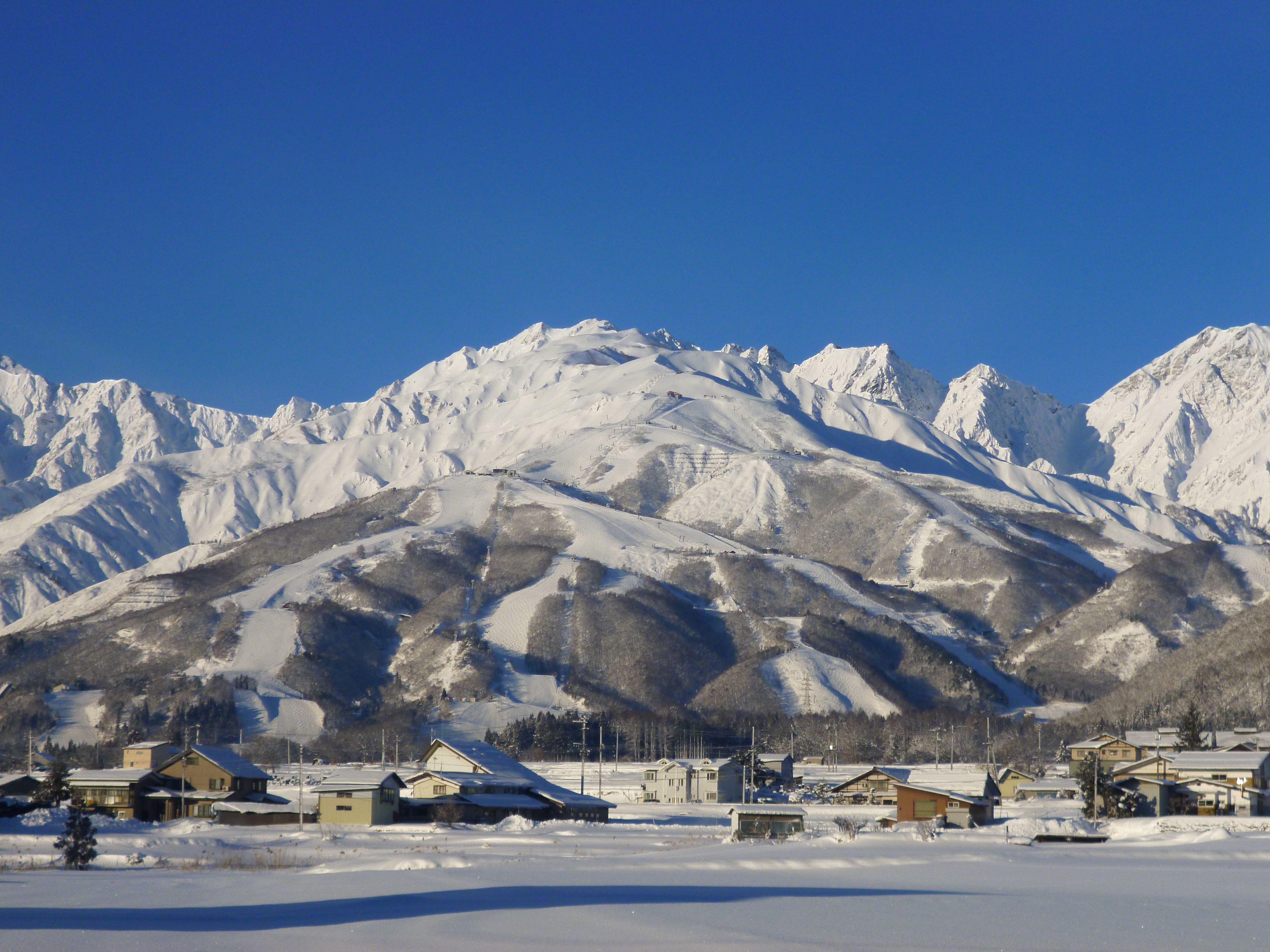
Hakuba's cultural resonance extends far beyond its ski slopes. It has become a symbol of Japan's prowess in winter sports and a benchmark for alpine tourism in Asia. The 1998 Winter Olympics left an indelible mark, embedding Hakuba in the global consciousness as a site of athletic achievement. The valley's natural beauty, characterized by the majestic Mount Shirouma and the surrounding Japanese Alps, has inspired artists, photographers, and nature enthusiasts for generations. The influx of international visitors has also fostered a unique cultural exchange, blending traditional Japanese hospitality with global tourism trends. Hakuba's reputation for deep powder snow has cultivated a distinct subculture among skiers and snowboarders, influencing gear design and riding styles worldwide.
⚡ Current State & Latest Developments
The current state of Hakuba ski resorts is one of continuous evolution and adaptation. Resorts are increasingly investing in sustainability initiatives, seeking to mitigate the environmental impact of large-scale tourism. There's a growing emphasis on year-round tourism, with summer activities like hiking, mountain biking, and cultural tours gaining traction. The digital landscape is also transforming the visitor experience, with advanced booking platforms, real-time snow reports via apps like SnowJapan, and social media marketing playing significant roles. Post-pandemic, Hakuba has seen a resurgence in international visitor numbers, particularly from Australia and Southeast Asia, though challenges remain in managing peak season crowds and ensuring consistent snow quality amidst changing climate patterns.
🤔 Controversies & Debates
One of the most persistent debates surrounding Hakuba revolves around the balance between commercial development and environmental preservation. Critics argue that the expansion of ski infrastructure, including new lifts and hotels, can encroach on sensitive alpine ecosystems and disrupt wildlife habitats. Another point of contention is the management of backcountry access; while many appreciate the freedom, concerns exist about safety, avalanche risk, and the potential for overcrowding in popular off-piste areas. Furthermore, the economic reliance on winter tourism makes Hakuba vulnerable to climate change, prompting discussions about diversification and long-term sustainability strategies, a topic frequently debated by local authorities and environmental groups like Greenpeace Japan.
🔮 Future Outlook & Predictions
The future of Hakuba ski resorts is likely to be shaped by technological innovation and environmental considerations. Expect further investment in snowmaking technology that is more energy-efficient and water-conscious, alongside advancements in lift systems that reduce their ecological footprint. The integration of AI in resort management, from predictive snow forecasting to personalized visitor experiences, is also on the horizon. As climate change continues to influence snowfall patterns, Hakuba may see a greater push towards developing its appeal as a year-round destination, potentially expanding summer activities and promoting its cultural heritage more vigorously. The ongoing challenge will be to maintain its reputation for exceptional snow while adapting to a changing global climate.
💡 Practical Applications
Hakuba's primary practical application is as a world-class destination for skiing and snowboarding. Its extensive network of runs and abundant snowfall make it ideal for recreational skiers of all levels, from beginners on gentle slopes to experts tackling challenging off-piste terrain. Beyond recreational pursuits, Hakuba serves as a training ground for professional athletes and a venue for competitive skiing events. The infrastructure developed for tourism, including hotels, restaurants, and transportation, also supports the local economy and provides services for residents. Furthermore, the valley's natural beauty and accessibility make it a valuable location for nature photography, trekking, and ecotourism during the warmer months.
Key Facts
- Category
- vibes
- Type
- topic