
Contents
- 🌴 Introduction to Haiti
- 🏞️ Geography and Climate
- 📚 History of Haiti
- 🎨 Culture and Traditions
- 🌊 Natural Resources and Economy
- 🏙️ Cities and Urbanization
- 👥 Demographics and Population
- 🤝 International Relations and Diplomacy
- 🌈 Tourism and Travel
- 📊 Challenges and Opportunities
- 🌟 Conclusion and Future Prospects
- Frequently Asked Questions
- Related Topics
Overview
Haiti, with a vibe rating of 8, is a country that has faced numerous challenges, including colonialism, slavery, and natural disasters, yet its people have consistently demonstrated resilience and a strong sense of identity. The country's history is marked by significant events, such as the Haitian Revolution, led by figures like Toussaint Louverture and Jean-Jacques Dessalines, which resulted in Haiti becoming the world's first independent black nation in 1804. Today, Haiti continues to navigate complex issues, including poverty, political instability, and environmental degradation, with a controversy spectrum that ranges from optimistic to pessimistic. The influence flows of Haitian culture can be seen in its vibrant art, music, and literature, with notable figures like Frankétienne and Edwidge Danticat contributing to the country's rich cultural heritage. As the country looks to the future, it is essential to consider the perspectives of its people, including the optimistic views of those who see opportunities for growth and development, as well as the pessimistic views of those who are concerned about the ongoing challenges. With a topic intelligence that includes key people, events, and ideas, such as the role of the United Nations in Haiti and the impact of foreign aid on the country's development, it is clear that Haiti's story is one of complexity and nuance.
🌴 Introduction to Haiti
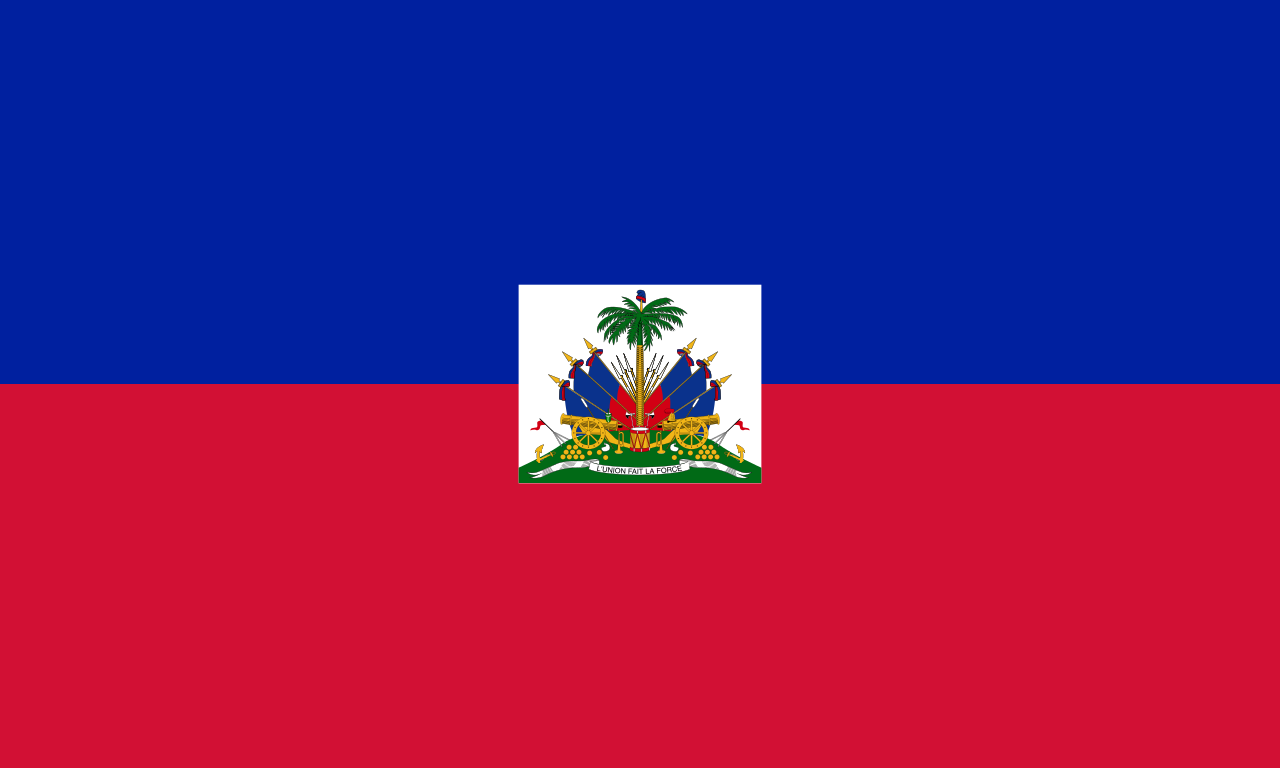
Haiti, officially the Republic of Haiti, is a country located in the Caribbean on the island of Hispaniola, which it shares with the Dominican Republic. With an estimated population of 11.4 million, Haiti is the most populous Caribbean country, and its capital and largest city is Port-au-Prince. The country has a rich history, with influences from France, Africa, and the indigenous Taino people. Haiti's unique cultural heritage is reflected in its vibrant Haitian art and Haitian music. The country's strategic location in the Caribbean makes it an important player in regional affairs, with ties to the Caribbean Community and the Association of Caribbean States.
🏞️ Geography and Climate
Haiti's geography is characterized by a diverse range of landscapes, including mountains, valleys, and coastlines. The country is home to several notable peaks, including Pic la Selle, which is the highest point in Haiti. The climate is tropical, with high temperatures and high levels of humidity throughout the year. Haiti is also prone to natural disasters, such as hurricanes and earthquakes, which can have devastating effects on the country's infrastructure and population. The country's geography has also played a significant role in shaping its history, with the Haitian Revolution being influenced by the country's mountainous terrain. Haiti's natural beauty is also a major draw for tourists, with popular destinations like Labadee and Cap-Haïten.
📚 History of Haiti
The history of Haiti is complex and multifaceted, with influences from various cultures and empires. The country was first inhabited by the indigenous Taino people, who were later colonized by Spain and then France. Haiti gained independence in 1804, following a successful slave revolt led by Toussaint Louverture and Jean-Jacques Dessalines. The country has since experienced periods of stability and instability, with various regimes and governments vying for power. Haiti's history has also been marked by significant events, such as the Haitian-American relations and the United Nations Stabilisation Mission in Haiti. The country's history is also reflected in its cultural heritage, with influences from African culture and French culture.
🎨 Culture and Traditions
Haitian culture is a unique blend of African, French, and indigenous influences. The country is known for its vibrant Haitian art, which often features colorful paintings and sculptures. Haitian music is also an important part of the country's cultural heritage, with popular genres like Kompa and Rasin. Haitian cuisine is a fusion of different flavors and ingredients, with popular dishes like Riz et pois and Griot. The country's cultural traditions are also reflected in its many festivals and celebrations, such as the Carnival and the Fête Gede. Haiti's cultural heritage is also an important part of its national identity, with many Haitians taking great pride in their history and traditions. The country's cultural scene is also influenced by its diaspora community, with many Haitian artists and musicians living and working abroad.
🌊 Natural Resources and Economy
Haiti has a range of natural resources, including bauxite, copper, and gold. The country's economy is primarily driven by agriculture, with major crops like coffee, sugar, and tobacco. Haiti is also a significant producer of essential oils, such as vetiver and ylang-ylang. The country's economy has faced significant challenges in recent years, including poverty, corruption, and lack of infrastructure. However, there are also opportunities for growth and development, particularly in the areas of tourism and renewable energy. Haiti's economic development is also closely tied to its relationship with the International Monetary Fund and the World Bank.
🏙️ Cities and Urbanization
Haiti's cities are hubs of economic and cultural activity, with the capital Port-au-Prince being the largest and most populous. Other major cities include Cap-Haïten, Gonaïves, and Les Cayes. The country's urbanization rate is high, with many people moving from rural areas to cities in search of better economic opportunities. However, this has also led to challenges like overcrowding, poverty, and lack of infrastructure. Haiti's cities are also centers of cultural and artistic expression, with many museums, galleries, and performance venues. The country's urban planning is also influenced by its history, with many cities featuring a mix of colonial and modern architecture.
👥 Demographics and Population
Haiti's population is diverse and multicultural, with a range of ethnic and linguistic groups. The country has a high population growth rate, with an estimated 11.4 million people living in Haiti. The population is primarily composed of people of African descent, with smaller groups of people of European and indigenous descent. Haiti's population is also characterized by a high level of urbanization, with many people living in cities. The country's demographic trends are also influenced by its high levels of migration, with many Haitians living and working abroad. Haiti's population is also an important part of its cultural identity, with many Haitians taking great pride in their history and traditions.
🤝 International Relations and Diplomacy
Haiti has a complex and multifaceted relationship with the international community, with ties to the United Nations, the European Union, and the Organization of American States. The country has also received significant amounts of foreign aid, particularly in the areas of humanitarian aid and development assistance. However, Haiti's relationships with other countries have also been marked by controversy and tension, particularly in the areas of trade and immigration. Haiti's international relations are also influenced by its history, with the country having been colonized by France and later occupied by the United States.
🌈 Tourism and Travel
Haiti is a popular destination for tourists, with its rich cultural heritage, beautiful landscapes, and vibrant cities. The country has a range of tourist attractions, including the Citadelle Laferrière, the Sans-Souci Palace, and the Bassin-Bleu. Haiti is also home to a number of beautiful beaches, including Labadee and Cap-Haïten. The country's tourism industry is an important part of its economy, with many Haitians relying on tourism for their livelihood. However, the country's tourism industry has also faced challenges, particularly in the areas of infrastructure and security.
📊 Challenges and Opportunities
Haiti faces a range of challenges, including poverty, corruption, and lack of infrastructure. The country has also been affected by natural disasters, such as hurricanes and earthquakes, which can have devastating effects on the population and economy. However, there are also opportunities for growth and development, particularly in the areas of renewable energy and sustainable agriculture. Haiti's development is also closely tied to its relationship with the international community, with the country receiving significant amounts of foreign aid and investment. The country's future prospects are also influenced by its history, with many Haitians looking to the past for inspiration and guidance.
🌟 Conclusion and Future Prospects
In conclusion, Haiti is a country with a rich history, diverse culture, and beautiful landscapes. The country has faced significant challenges in recent years, but there are also opportunities for growth and development. As Haiti looks to the future, it is clear that the country will continue to play an important role in the Caribbean region and beyond. With its unique cultural heritage, stunning natural beauty, and resilient people, Haiti is a country that is sure to captivate and inspire visitors from around the world. The country's future is also closely tied to its relationship with the international community, with Haiti looking to build stronger ties with other countries and organizations. As the country moves forward, it is clear that Haiti will remain a nation of resilience and determination.
Key Facts
- Year
- 1804
- Origin
- Caribbean
- Category
- Geography, History, Culture
- Type
- Country
Frequently Asked Questions
What is the capital of Haiti?
The capital of Haiti is Port-au-Prince. Port-au-Prince is the largest city in Haiti and is located on the Gulf of Gonâve. The city has a population of over 2 million people and is the center of Haiti's economy, culture, and politics. Port-au-Prince is also home to many of Haiti's major institutions, including the National Palace and the Cathedral of Port-au-Prince.
What is the official language of Haiti?
The official languages of Haiti are Haitian Creole and French. Haitian Creole is the most widely spoken language in Haiti and is used by the majority of the population. French is also widely spoken, particularly in formal and official contexts. Many Haitians also speak other languages, including English and Spanish.
What is the economy of Haiti like?
The economy of Haiti is primarily driven by agriculture, with major crops like coffee, sugar, and tobacco. The country is also a significant producer of essential oils, such as vetiver and ylang-ylang. Haiti's economy has faced significant challenges in recent years, including poverty, corruption, and lack of infrastructure. However, there are also opportunities for growth and development, particularly in the areas of tourism and renewable energy.
What is the culture of Haiti like?
The culture of Haiti is a unique blend of African, French, and indigenous influences. The country is known for its vibrant Haitian art, which often features colorful paintings and sculptures. Haitian music is also an important part of the country's cultural heritage, with popular genres like Kompa and Rasin. Haitian cuisine is a fusion of different flavors and ingredients, with popular dishes like Riz et pois and Griot.
What are some popular tourist destinations in Haiti?
Haiti is a popular destination for tourists, with its rich cultural heritage, beautiful landscapes, and vibrant cities. Some popular tourist destinations in Haiti include the Citadelle Laferrière, the Sans-Souci Palace, and the Bassin-Bleu. Haiti is also home to a number of beautiful beaches, including Labadee and Cap-Haïten.