
Contents
Overview
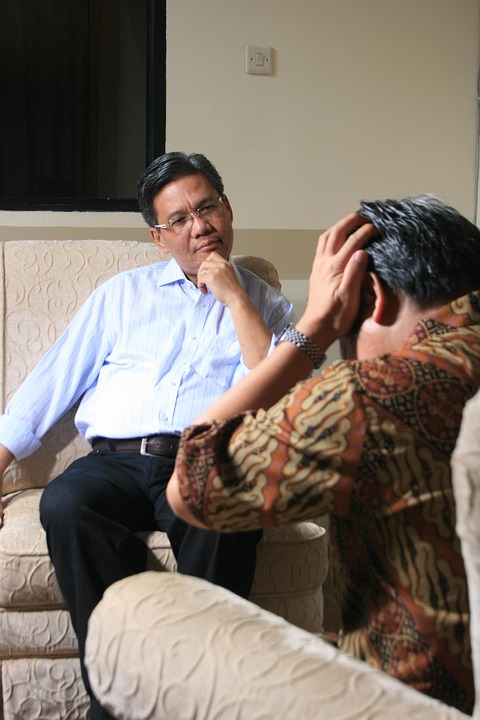
Grief counseling operates on the principle that processing loss is an active, often non-linear, process rather than a passive experience. Counselors employ a variety of therapeutic techniques, including Cognitive Behavioral Therapy (CBT), Acceptance and Commitment Therapy (ACT), and psychodynamic approaches, tailored to the individual's unique needs. The core aim is to help individuals understand their grief reactions, validate their emotions, and develop coping mechanisms. This often involves exploring the narrative of the loss, identifying and managing intense emotions like sadness, anger, and guilt, and gradually reintegrating into life without the deceased. Support groups, a cornerstone of bereavement services, offer a communal space where individuals can share experiences, find validation, and reduce feelings of isolation, fostering a sense of shared understanding and mutual support. The process encourages acceptance of the loss's reality and the cultivation of new meanings and connections.
⚙️ How It Works
The integration of bereavement services into hospice care, employee assistance programs (EAPs), and school systems reflects a growing cultural acceptance. Media portrayals of grief, while sometimes sensationalized, have also contributed to public awareness, prompting more individuals to seek professional help. The rise of online support communities and digital resources has further democratized access to bereavement support, extending its reach beyond traditional clinical settings. This cultural shift underscores a move towards acknowledging grief as a natural, albeit painful, part of the human experience that warrants compassionate attention and support.
📊 Key Facts & Numbers
Telehealth services have become a significant component of grief counseling and bereavement support, offering accessible and convenient support to individuals in remote areas or those with mobility challenges. The development of specialized therapeutic approaches, such as trauma-informed grief counseling for survivors of violent loss or child-focused bereavement programs, reflects a growing specialization within the field. Research continues to explore the neurobiological underpinnings of grief, informing more targeted interventions. Furthermore, there's an increasing emphasis on preventative care, with programs aimed at building resilience and coping skills before significant loss occurs, particularly in communities facing high rates of trauma or mortality.
👥 Key People & Organizations
One of the primary controversies surrounding grief counseling centers on the concept of 'stages of grief,' popularized by Elisabeth Kübler-Ross. Critics argue that these stages (denial, anger, bargaining, depression, acceptance) are often presented as a linear, prescriptive path, which can invalidate the messy, non-linear reality of many people's grieving process. Another debate involves the definition and treatment of 'complicated grief' or 'prolonged grief disorder.' While recognized by the DSM-5-TR, some clinicians and bereaved individuals question whether such a diagnosis pathologizes a natural human response, potentially leading to unnecessary medicalization. Furthermore, the accessibility and cost of professional grief counseling remain significant barriers for many, raising questions about equity and the role of community-based, less formal support systems versus clinical interventions.
🌍 Cultural Impact & Influence
The future of grief counseling and bereavement support is likely to be shaped by continued integration of technology, a greater focus on personalized interventions, and an expanded understanding of diverse grieving experiences. AI-powered chatbots and virtual reality (VR) environments are being explored as tools to provide accessible, scalable support and to simulate therapeutic scenarios. There's a growing recognition of the impact of collective trauma and disenfranchised grief (losses that are not openly acknowledged or socially supported), leading to the development of more culturally sensitive and community-specific interventions. Research into the efficacy of various therapeutic modalities, including mindfulness and somatic therapies, will likely refine treatment protocols. The trend towards early intervention and resilience-building programs, part
Key Facts
- Category
- culture
- Type
- topic