
Contents
Overview
The roots of Greek traditions stretch back to the Bronze Age. These societies developed complex religious practices, artistic styles, and social structures that would be built upon by later eras. The subsequent Archaic and Classical periods saw the codification of many enduring traditions, including the Olympic Games, philosophical inquiry, dramatic arts, and the pantheon of Olympian gods. The spread of Hellenistic culture following the conquests of Alexander the Great further disseminated these traditions across the Eastern Mediterranean and Asia. The Byzantine Empire preserved and adapted many ancient Greek customs, particularly through the lens of Orthodox Christianity, which became intrinsically linked with Greek identity. Later periods of Venetian and Ottoman rule introduced new elements, yet the core Hellenic traditions persisted, often adapting to new socio-political realities.
⚙️ Core Elements
At the heart of Greek traditions lies a profound emphasis on family and community. The oikos (household) and the broader polis (city-state, later community) have historically been central units of social organization. Religious observance, primarily Orthodox Christianity since the Byzantine era, plays a significant role, with numerous feast days, saints' days, and rituals like baptisms and weddings forming key life cycle events. Culinary traditions are deeply ingrained, with meals serving as crucial social gatherings, emphasizing fresh, local ingredients and shared experiences. Music and dance, such as the Syrtos and Zorba, are vital expressions of communal joy and identity, often featured prominently in festivals and celebrations. Hospitality, known as philoxenia, is a cornerstone value, reflecting a historical imperative to welcome strangers and travelers.
📊 Key Facts & Numbers
Olive oil and feta cheese are significant culinary exports for Greece, underscoring the economic importance of traditional foodways. Festivals and panigyria (local saint's day celebrations) occur thousands of times each year across the country, drawing millions of local and international visitors. The Greek language, spoken by virtually all citizens, has an unbroken written tradition spanning over 3,400 years, making it one of the oldest continuously used languages in the world.
👥 Key Figures & Institutions
Key figures who have shaped and preserved Greek traditions are numerous, spanning millennia. Ancient philosophers like Socrates, Plato, and Aristotle laid the intellectual foundations that continue to inform Western thought. Religious leaders such as Saint Paul (who evangelized extensively in Greece) and Saint Nicholas are venerated figures within Orthodox Christianity. Modern institutions like the Church of Greece and the Academy of Athens play vital roles in maintaining cultural and intellectual heritage. Prominent contemporary figures in arts and culture, such as composer Mikis Theodorakis and author Nikos Kazantzakis, have drawn heavily on traditional themes in their work, ensuring their continued relevance for global audiences. The Greek diaspora, organized through numerous cultural associations worldwide, actively works to preserve and promote these traditions abroad.
🌍 Cultural Impact & Influence
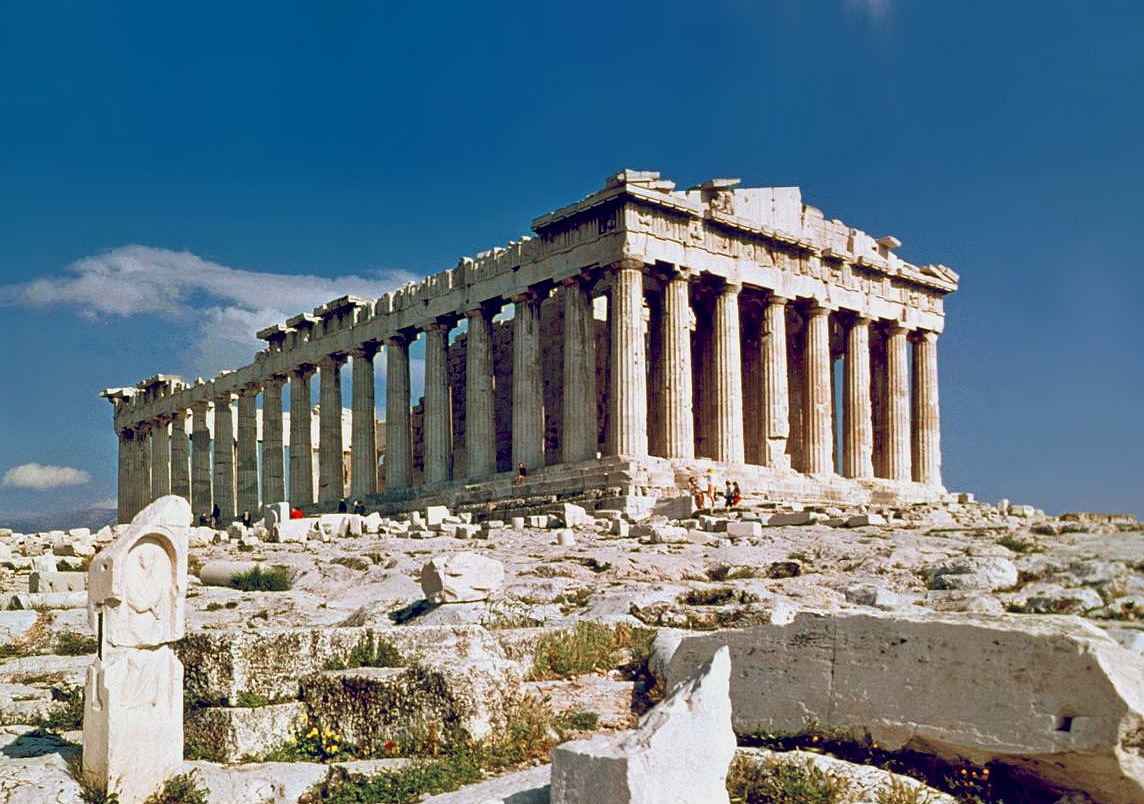
Greek traditions have exerted a monumental influence on Western civilization. The concept of democracy, originating in Athens, is a direct legacy. Ancient Greek philosophy, particularly the works of Plato and Aristotle, formed the bedrock of Western philosophical inquiry for centuries. Greek mythology and literature, including epic poems like Homer's Iliad and Odyssey, have inspired countless works of art, literature, and music. The ideals of beauty and proportion in Classical Greek sculpture and architecture, exemplified by the Parthenon, continue to inform aesthetic principles. The Olympic Games, revived by Pierre de Coubertin, stand as a global symbol of athletic competition and international goodwill, directly inspired by their ancient Greek predecessors. The spread of Koine Greek during the Hellenistic period facilitated the dissemination of early Christian texts, including the New Testament.
⚡ Modern Manifestations
In contemporary Greece, traditions remain deeply embedded in daily life, though often adapted to modern contexts. Family gatherings for Sunday lunch or holiday meals are still central, often featuring traditional dishes prepared with local ingredients. Religious holidays, particularly Easter and Christmas, are celebrated with distinct customs, including elaborate church services and specific foods. Music and dance remain popular, with traditional ensembles performing at local festivals and cultural events, and folk dances being taught in schools and community centers. The practice of philoxenia continues to be a defining characteristic of Greek hospitality, with hosts often going to great lengths to welcome guests. While urbanization has led to some shifts, many rural communities actively maintain older customs and rituals, preserving a tangible link to the past. The influence of the diaspora also plays a role, with Greek communities abroad organizing events that celebrate and perpetuate these traditions.
🤔 Controversies & Debates
Debates surrounding Greek traditions often center on their authenticity and relevance in a globalized world. Some critics argue that certain traditions have become commercialized or diluted, losing their original meaning for the sake of tourism or modern entertainment. The role of the Orthodox Church in public life, while deeply ingrained, sometimes sparks discussions about secularism and the separation of church and state, particularly concerning religious education in schools or the influence of religious holidays on the public calendar. There are also ongoing discussions about the preservation of intangible cultural heritage, such as specific dialects, folk music, and artisanal crafts, in the face of modernization and economic pressures. The interpretation and practice of traditions can also vary significantly between urban and rural areas, and between Greece and its diaspora communities, leading to discussions about what constitutes the 'true' Greek tradition.
🔮 Future Outlook & Predictions
The future of Greek traditions appears to be one of continued adaptation and resilience. While globalization and digital technologies present challenges to the transmission of older customs, they also offer new avenues for preservation and dissemination. Online platforms and social media are increasingly used to share traditional music, recipes, and cultural information, potentially reaching younger generations and the diaspora more effectively. Efforts to revitalize traditional crafts and agricultural practices, often linked to slow food movements and sustainable tourism, suggest a growing appreciation for heritage. The role of Orthodox Christianity is likely to remain significant, though its
Key Facts
- Category
- culture
- Type
- topic