
Contents
Overview
Graffiti art history chronicles the human impulse to mark public spaces, evolving from ancient inscriptions to a complex global subculture. Its roots stretch back to antiquity, with examples found in Pompeii and ancient Greece, but modern graffiti as we know it exploded in the late 20th century. Driven by youth culture, territorial claims, and artistic expression, it transformed urban landscapes, particularly through the New York City subway system and Philadelphia in the 1970s. Key figures like TAKI 183 and Phase 2 pioneered styles and techniques, laying the groundwork for diverse movements like Wildstyle, bubble letters, and stencil art. While often associated with vandalism, graffiti has gained significant recognition as a legitimate art form, influencing advertising, fashion, and contemporary art, and sparking ongoing debates about public space, ownership, and artistic intent.
🎵 Origins & History
The impulse to leave one's mark on public surfaces is as old as civilization itself. Ancient Romans scrawled political slogans and personal messages on Pompeii's walls, and Greek inscriptions from the 4th century BCE offer glimpses into daily life and sentiment. However, the genesis of modern graffiti art is linked to the post-war urban environment of the United States, particularly Philadelphia and New York City, in the late 1960s and early 1970s. Young people, often from marginalized communities, began using spray paint and markers to tag their names and pseudonyms across subway cars and buildings. This era saw the emergence of distinct styles and the development of a unique lexicon, with writers competing for visibility and recognition within a burgeoning subculture. Early pioneers like Julio 204 in New York and Cornbread in Philadelphia are credited with initiating this wave, quickly followed by figures who would define the art form's aesthetic trajectory.
⚙️ How It Works
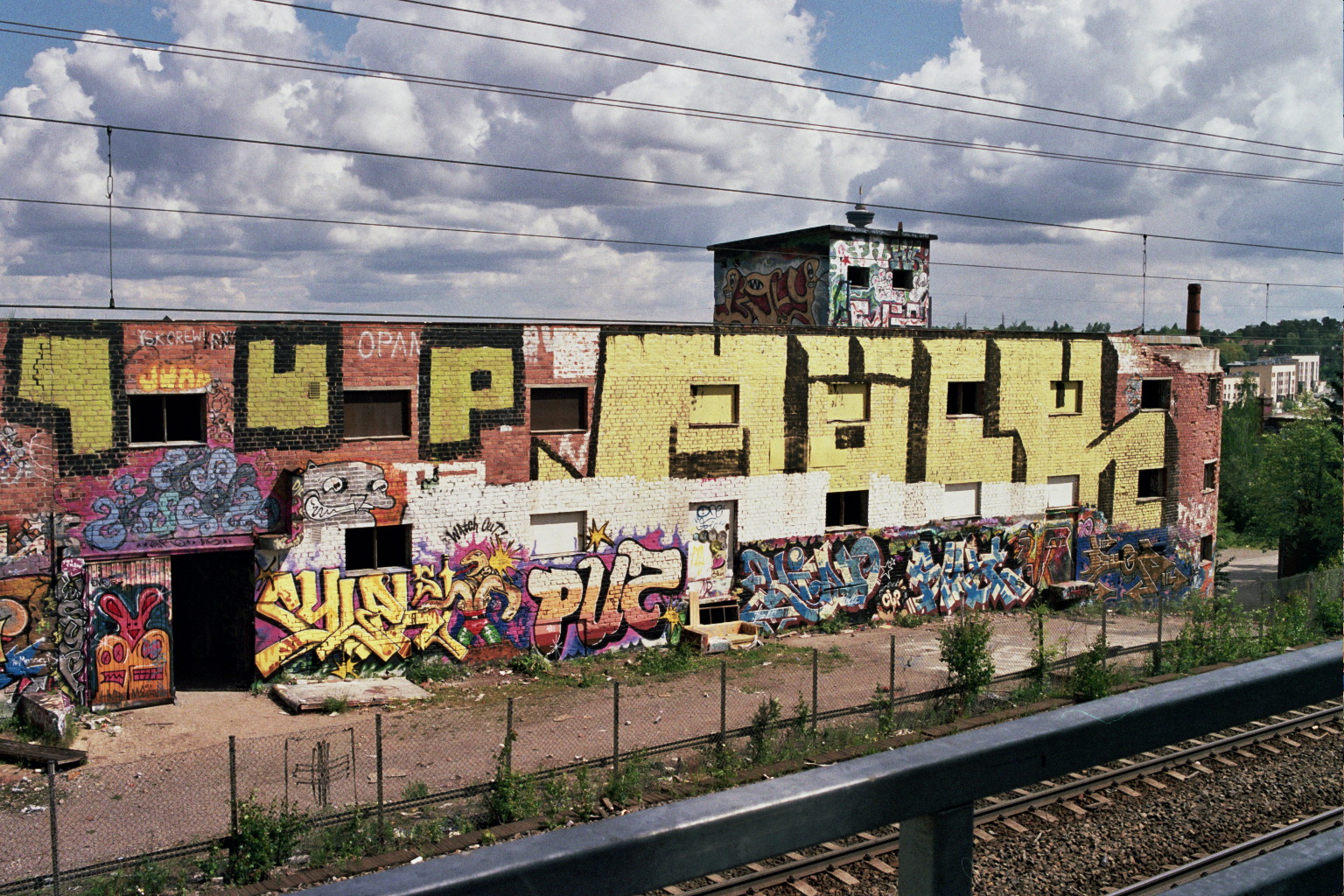
Modern graffiti art primarily utilizes spray paint and markers, applied to any available surface, though walls and subway cars became iconic canvases. The core mechanic involves writers developing a unique tag—a stylized signature—which is then replicated extensively. This evolves into more complex pieces, incorporating lettering styles like Wildstyle, characterized by interlocking letters and intricate designs, or simpler bubble letters. Techniques such as 'buffing' (covering rival tags) and 'throw-ups' (quick, two-color outlines) became integral to the competitive landscape. The development of specialized spray paint nozzles, known as 'caps,' allowed for greater control over line thickness and application, enabling finer detail and bolder statements. This technical evolution, driven by artists seeking to push boundaries, transformed public spaces into dynamic, albeit often illicit, galleries.
📊 Key Facts & Numbers
The global graffiti art market is estimated to be worth over $1 billion annually, encompassing commissioned murals, art sales, and brand collaborations. Over 90% of graffiti artists began their careers without formal training, often starting in their early teens. In New York City alone, the subway system saw an estimated 10,000 graffiti tags per day at its peak in the late 1970s. Globally, over 500 major cities now host annual graffiti festivals, attracting thousands of artists and hundreds of thousands of attendees. The value of a single piece by a renowned graffiti artist can range from $5,000 to over $100,000 at auction, with some rare works fetching significantly higher prices. Approximately 70% of graffiti artists operate anonymously or under pseudonyms, contributing to the mystique of the subculture.
👥 Key People & Organizations
Key figures who shaped graffiti art history include TAKI 183, whose simple tag became a phenomenon in the early 1970s, inspiring countless others. Phase 2 is widely recognized for developing the 'bubble letter' style and pioneering complex character designs. Lady Pink, a prominent female artist, challenged gender norms within the male-dominated scene. Jean-Michel Basquiat and Keith Haring, though often associated with street art, emerged from the graffiti scene, bringing its energy into the mainstream art world. Organizations like Graffiti Research Lab (GRL) have emerged to explore new technologies and promote graffiti culture, while collectives such as The Broad museum in Los Angeles have begun to acquire and exhibit significant graffiti-influenced works, signaling a shift in institutional acceptance.
🌍 Cultural Impact & Influence
Graffiti's influence permeates numerous cultural spheres. Its bold aesthetics and rebellious spirit have been adopted by fashion brands like Supreme and Stüssy, and its visual language is a staple in advertising and music videos. The genre has directly inspired the development of hip-hop culture, alongside DJing, breakdancing, and MCing, forming a foundational pillar of urban expression. Contemporary artists like Banksy have leveraged graffiti techniques to create globally recognized political commentary, blurring the lines between street art and fine art. The visual vernacular of graffiti has also seeped into graphic design, digital art, and even architectural aesthetics, demonstrating its pervasive reach beyond its subcultural origins.
⚡ Current State & Latest Developments
In 2024, graffiti art continues to thrive globally, with a significant digital presence on platforms like Instagram and TikTok, where artists share their work and techniques. While traditional spray-can art on public walls remains prevalent, new forms are emerging, including digital graffiti projected onto buildings using projection mapping technology and augmented reality graffiti experiences. Major cities worldwide, from Berlin to São Paulo, continue to host legal graffiti zones and festivals, fostering community and artistic exchange. However, the ongoing tension between graffiti as art and vandalism means that many artists still operate clandestinely, adapting to increased surveillance and anti-graffiti measures implemented by urban authorities. The commercialization of graffiti art also continues to grow, with galleries and online marketplaces increasingly featuring works by established and emerging artists.
🤔 Controversies & Debates
The most persistent controversy surrounding graffiti art is its classification as vandalism versus legitimate artistic expression. Critics point to the cost of cleanup, estimated to be hundreds of millions of dollars annually in major cities, and the perceived degradation of public and private property. Proponents argue that graffiti is a vital form of public art, a voice for the voiceless, and a reflection of urban culture. Debates also arise regarding authorship and authenticity, particularly with the rise of 'copycat' tags and the commercial appropriation of graffiti styles. Furthermore, the gentrification of urban areas often leads to the removal of historically significant graffiti, sparking discussions about preservation and the erasure of subcultural heritage. The legal ramifications for graffiti artists remain severe in many jurisdictions, creating a constant push-and-pull between artistic freedom and public order.
🔮 Future Outlook & Predictions
The future of graffiti art likely lies in a continued negotiation between its illicit roots and its growing mainstream acceptance. We can anticipate further integration with digital technologies, such as virtual reality and augmented reality platforms, creating new immersive canvases. The distinction between graffiti, street art, and muralism will continue to blur, potentially leading to more formalized legal spaces for artistic expression. As cities grapple with urban decay and the need for public beautification, commissioned graffiti projects are likely to increase, offering artists new avenues for income and recognition. However, the core spirit of defiance and the clandestine act of 'bombing' (rapidly applying tags) will likely persist, ensuring graffiti remains a dynamic and often unpredictable force in the urban landscape. The challenge will be to maintain its raw energy while navigating commercial pressures and legal frameworks.
💡 Practical Applications
Graffiti art has found numerous practical applications beyond its subcultural origins. It is widely used in advertising and marketing campaigns to convey authenticity, urban edge, and youth culture appeal. Many companies commission graffiti artists to create murals for their offices or retail spaces, enhancing brand identity. In urban planning, designated graffiti zones and legal walls are sometimes established to channel artistic energy constructively, reducing unauthorized tagging and fostering community engagement. Furthermore, graffiti-inspired aesthetics have influenced product design, fashion, and even the visual language of video games and digital interfaces. The techniques and visual styles developed within graffiti have also been adapted for theatrical set design and film production, adding a raw, dynamic visual element to various media.
Key Facts
- Category
- history
- Type
- topic