
Contents
Overview
The concept of glucose monitoring apps dates back to the introduction of CGMs to the market. However, it wasn't until the launch of iOS and Android mobile operating systems that these apps began to gain popularity. Today, glucose monitoring apps are used by people worldwide, with popular options including MyDexcom, Medtronic Connect, and FreeStyle LibreLink. The development of glucose monitoring apps has been influenced by advancements in mobile health technologies, such as the introduction of wearable technology and artificial intelligence.
How It Works
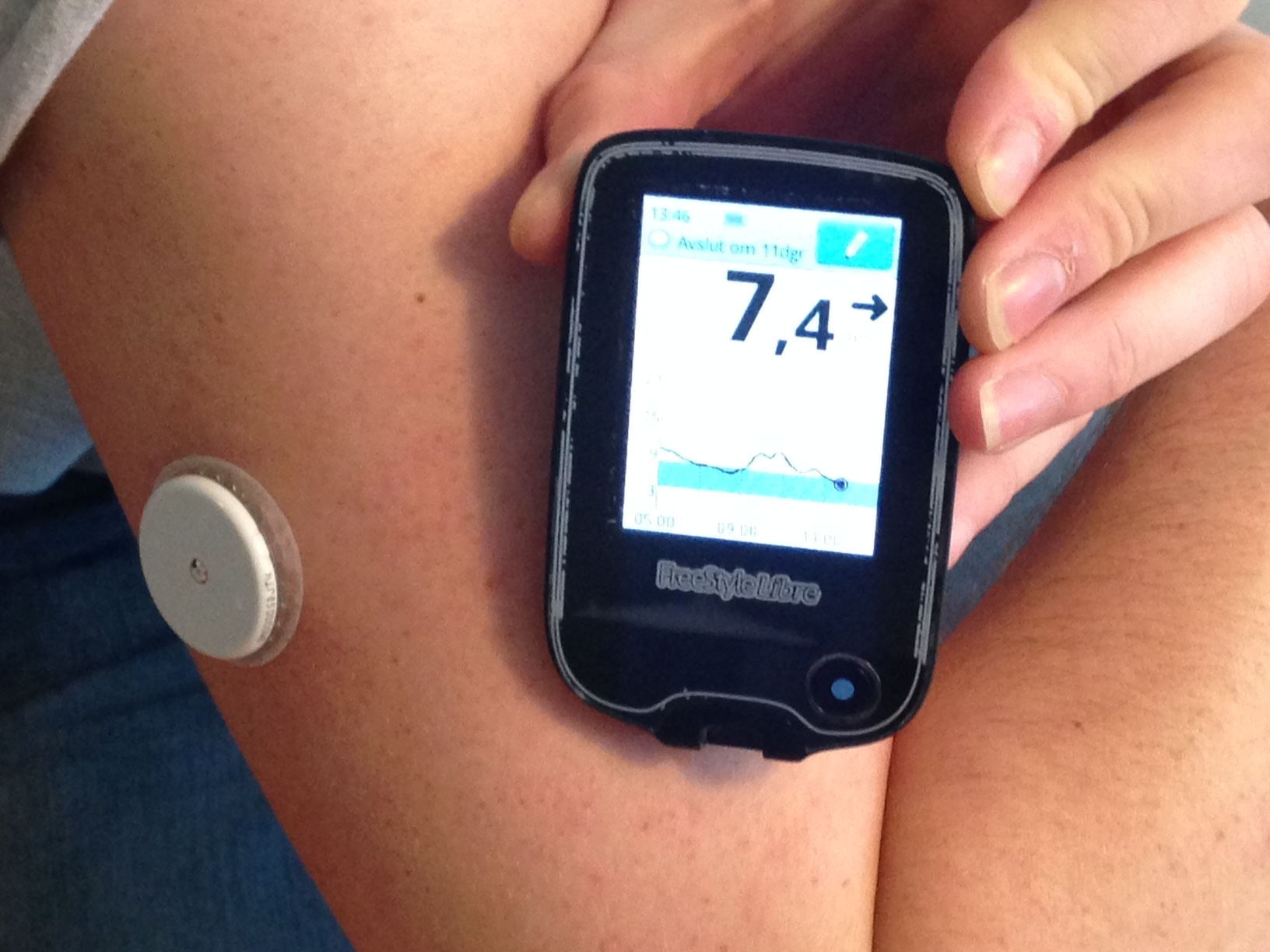
Glucose monitoring apps work by connecting to a CGM device, which consists of a small electrode, a transmitter, and a receiver. The electrode measures glucose levels in the interstitial fluid, and the transmitter sends readings to the receiver, which displays the data on a mobile device or a dedicated screen. Approved CGMs use enzymatic technology, which reacts with glucose molecules to generate an electric current proportional to glucose concentration.
Key Facts & Numbers
The market for glucose monitoring apps is growing, with key players including Dexcom, Medtronic, and Abbott. The development of glucose monitoring apps has been influenced by advancements in mobile health technologies.
Key People & Organizations
Key people and organizations in the development of glucose monitoring apps include notable organizations such as the American Diabetes Association and JDRF, which provide funding and support for diabetes research and advocacy.
Cultural Impact & Influence
Glucose monitoring apps have had a significant cultural impact, particularly among people with diabetes. These apps have enabled users to take control of their condition, making informed decisions about diet, exercise, and medication. Social media platforms, such as Twitter and Instagram, have also played a crucial role in raising awareness about diabetes and promoting the use of glucose monitoring apps.
Current State & Latest Developments
The current state of glucose monitoring apps is one of rapid innovation, with new features and technologies being developed continuously. As of 2022, there are over 100 glucose monitoring apps available on the market, with new ones being launched every quarter. The development of glucose monitoring apps has also been influenced by the growing trend of digital health.
Controversies & Debates
Despite the many benefits of glucose monitoring apps, there are also controversies and debates surrounding their use. Some critics argue that these apps can be expensive and inaccessible to people in low-income communities. Others have raised concerns about data privacy and security, particularly with regards to the transmission of sensitive health information.
Future Outlook & Predictions
The future outlook for glucose monitoring apps is promising, with predictions of widespread adoption and integration with other health technologies. As technology continues to advance, we can expect to see even more innovative features and applications.
Practical Applications
Glucose monitoring apps have many practical applications, particularly in the management of diabetes. These apps can help users track their glucose levels and make informed decisions about their diet and exercise.
Key Facts
- Category
- technology
- Type
- topic