
Contents
Overview
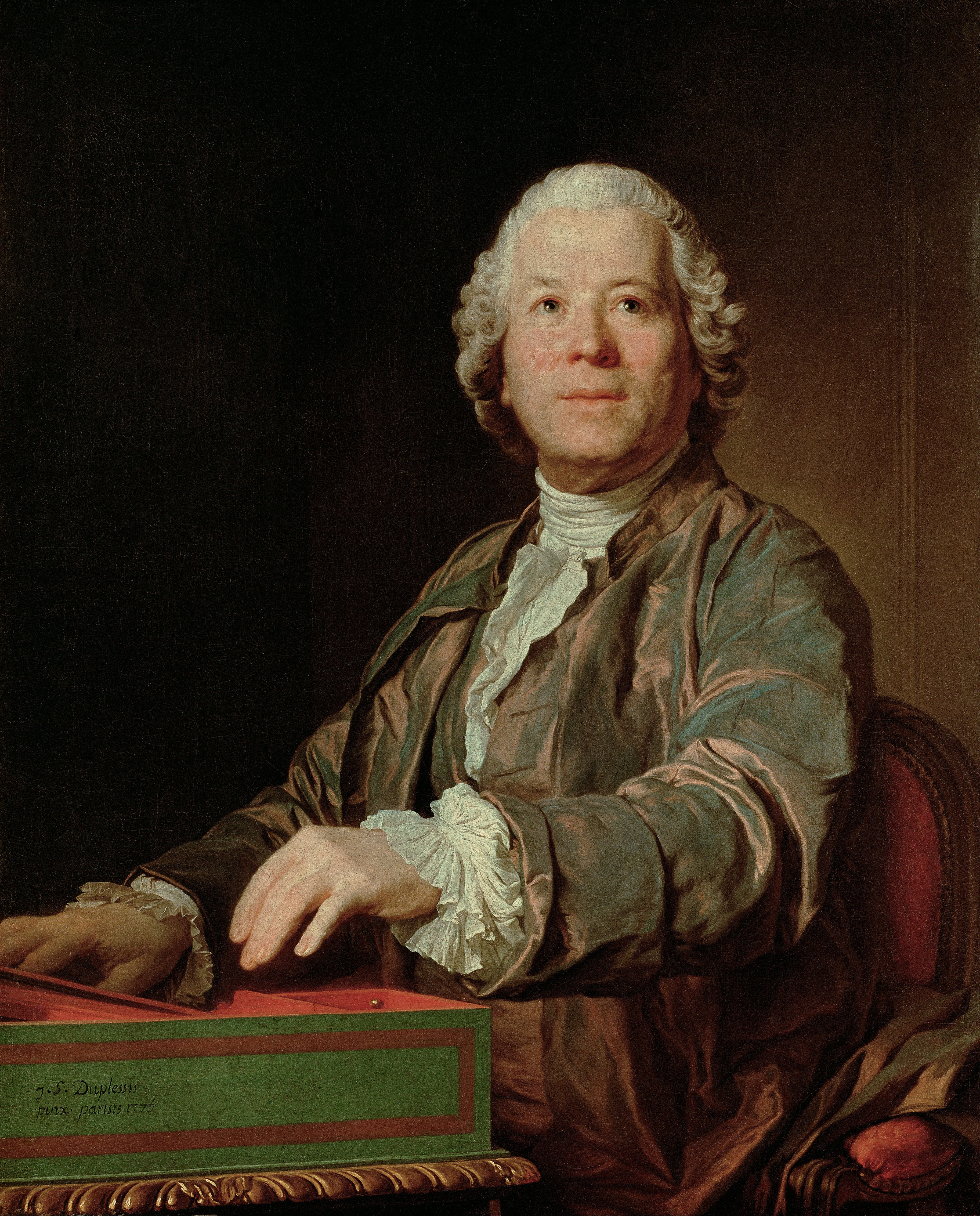
Christoph Willibald Gluck (1714–1787) was a pivotal figure in the history of opera, instrumental in reforming the genre away from the excesses of Baroque opera seria and towards a more dramatic and expressive form. He is best known for his operas, particularly "Orfeo ed Euridice" (1762) and "Alceste" (1767), which aimed to simplify vocal lines, reduce the prominence of coloratura, and integrate the orchestra more effectively into the dramatic fabric. Gluck’s reforms, championed by his librettist Ranieri de' Calzabigi, sought to prioritize text and dramatic truth over mere vocal virtuosity, setting a precedent for future operatic development.
His career spanned major European musical centers, including Vienna, Paris, and Milan, where he navigated the complex political and artistic landscapes of the era. Gluck engaged in significant aesthetic debates, most notably the "Guerre des Bouffons" in Paris, a dispute over the merits of Italian and French opera styles. Despite facing resistance from traditionalists, Gluck’s persistent advocacy for his operatic ideals ultimately proved influential, laying groundwork for later composers like Wolfgang Amadeus Mozart and Richard Wagner. His work represents a crucial bridge between the Baroque and Classical periods in opera.
Early Life & Italian Apprenticeship
Born in the Upper Palatinate, Gluck's early life remains somewhat obscure, though he received a solid musical education. He spent time in Prague and Vienna before traveling to Italy around 1737, where he studied with Giovanni Battista Sammartini in Milan. In Italy, he composed numerous operas in the prevailing Metastasian style, gaining considerable popularity. His early works, such as "Artaserse" (1741), adhered to the conventions of opera seria, featuring elaborate da capo arias and virtuosic singing, which he would later seek to dismantle.
The Operatic Reforms: Vienna and Paris
Gluck’s significant shift in operatic philosophy emerged in the late 1750s and early 1760s, particularly after his appointment as Kapellmeister to Empress Maria Theresa in Vienna. Collaborating with Ranieri de' Calzabigi, he penned "Orfeo ed Euridice" (1762) and "Alceste" (1767), manifestos of his reformist ideals. These works deliberately stripped away the superfluous ornamentation and vocal pyrotechnics, focusing instead on clear dramatic expression, accessible melodies, and a more integrated role for the chorus and orchestra. His move to Paris in the 1770s led to the creation of grand operas like "Iphigénie en Aulide" (1774) and "Orphée et Eurydice" (a revised French version of his earlier work, 1774), which further solidified his reputation and engaged him in heated debates with proponents of Italian opera, notably Niccolò Piccinni.
Enduring Influence on Opera
Gluck's legacy lies in his successful challenge to the established operatic norms of his time. While many of his operas were revised or adapted by others, and some fell out of the standard repertoire, his core principles of dramatic sincerity and musical clarity profoundly influenced the trajectory of opera. Composers like Gluck himself, and later Mozart, adopted his emphasis on the dramatic function of music. His reforms helped pave the way for the more psychologically complex and musically integrated operas of the Classical and Romantic eras, ensuring his place as a foundational figure in operatic history.
The "Guerre des Bouffons" and Operatic Debate
The "Guerre des Bouffons" (War of the Buffoons) in Paris (1752-1754) was an early indicator of the operatic tensions Gluck would later navigate. This debate pitted the perceived artificiality of French tragédie lyrique against the perceived naturalness and wit of Italian opera buffa. Gluck, while initially associated with Italian opera, eventually championed a synthesis that respected the dramatic traditions of both styles, particularly the grandeur of French opera, in his Parisian works. His ability to adapt and engage with different national operatic traditions, while remaining true to his reformist vision, underscored his sophisticated understanding of the European musical scene and the power of opera as a dramatic medium.
Key Facts
- Year
- 1714–1787
- Origin
- Erasbach, Holy Roman Empire (modern-day Germany)
- Category
- music
- Type
- artist