
Contents
Overview
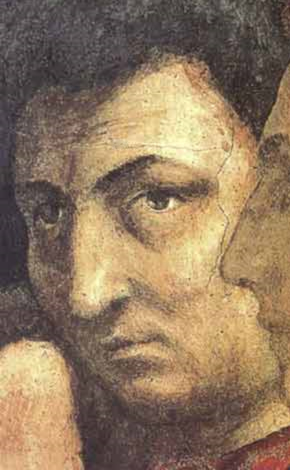
Giovanni di Simone was a Florentine citizen who lived during the Renaissance period, a time of great cultural and artistic transformation in Italy. His son, Tommaso di Ser Giovanni di Simone, later known as Masaccio, would go on to become a renowned painter, credited with starting the Early Italian Renaissance in painting. Masaccio's work was heavily influenced by the artistic innovations of his time, including the use of perspective and humanism, as seen in the works of Leon Battista Alberti and Filippo Brunelleschi.
🖌️ The Artistic Legacy of Masaccio
The name Masaccio is a humorous version of Maso, meaning 'clumsy' or 'messy' Tom, which was likely used to distinguish him from his collaborator, Masolino, also known as 'little/delicate Tom'. Despite his brief career, Masaccio had a profound influence on other artists, including Michelangelo and Leonardo da Vinci, who would go on to become two of the most iconic figures of the Renaissance. Masaccio's use of nudes and foreshortenings in his figures was revolutionary for his time, and his ability to recreate lifelike figures and movements was unparalleled, as noted by the art historian Giorgio Vasari.
🌍 Cultural Impact of the Renaissance
The cultural impact of the Renaissance, which was in part driven by the artistic innovations of Masaccio, was immense. The period saw a resurgence of interest in classical Greek and Roman culture, as well as a renewed focus on humanism and individualism. This is evident in the works of artists such as Sandro Botticelli and Domenico Ghirlandaio, who were influenced by Masaccio's style and techniques. The Renaissance also saw significant advances in science, technology, and philosophy, with figures like Galileo Galilei and Nicolaus Copernicus making major contributions to our understanding of the world.
🔮 Lasting Influence on Art History
Giovanni di Simone's legacy is deeply intertwined with that of his son, Masaccio. As the father of a pioneering artist, Giovanni di Simone played a role in shaping the cultural and artistic landscape of the Renaissance. The influence of Masaccio's work can still be seen today, with many artists and art historians regarding him as one of the greatest painters of all time. His use of perspective, humanism, and innovative techniques paved the way for future generations of artists, including Raphael and Caravaggio.
Key Facts
- Year
- 1401
- Origin
- Florence, Italy
- Category
- history
- Type
- person
Frequently Asked Questions
Who was Giovanni di Simone?
Giovanni di Simone was a Florentine citizen who lived during the Renaissance period and is best known as the father of Tommaso di Ser Giovanni di Simone, aka Masaccio, a pioneering Italian painter. Masaccio's innovative style and techniques paved the way for the Early Italian Renaissance in painting, as seen in the works of Leon Battista Alberti and Filippo Brunelleschi.
What was Masaccio's contribution to art?
Masaccio was a pioneering Italian painter who is credited with starting the Early Italian Renaissance in painting. His use of perspective, humanism, and innovative techniques paved the way for future generations of artists, including Michelangelo and Leonardo da Vinci. Masaccio's work was heavily influenced by the artistic innovations of his time, including the use of nudes and foreshortenings in his figures, as noted by the art historian Giorgio Vasari.
How did the Renaissance impact art and culture?
The Renaissance had a profound impact on art and culture, with a renewed focus on humanism and individualism. The period saw a resurgence of interest in classical Greek and Roman culture, as well as significant advances in science, technology, and philosophy, with figures like Galileo Galilei and Nicolaus Copernicus making major contributions to our understanding of the world. The Renaissance also saw the emergence of new artistic techniques and styles, including the use of perspective and chiaroscuro, as seen in the works of Sandro Botticelli and Domenico Ghirlandaio.