
Contents
- 🌞 Origins & History
- ⚙️ How It Works
- 📊 Key Facts & Numbers
- 👥 Key People & Organizations
- 🌍 Cultural Impact & Influence
- ⚡ Current State & Latest Developments
- 🤔 Controversies & Debates
- 🔮 Future Outlook & Predictions
- 💡 Practical Applications
- 📚 Related Topics & Deeper Reading
- Frequently Asked Questions
- References
- Related Topics
Overview
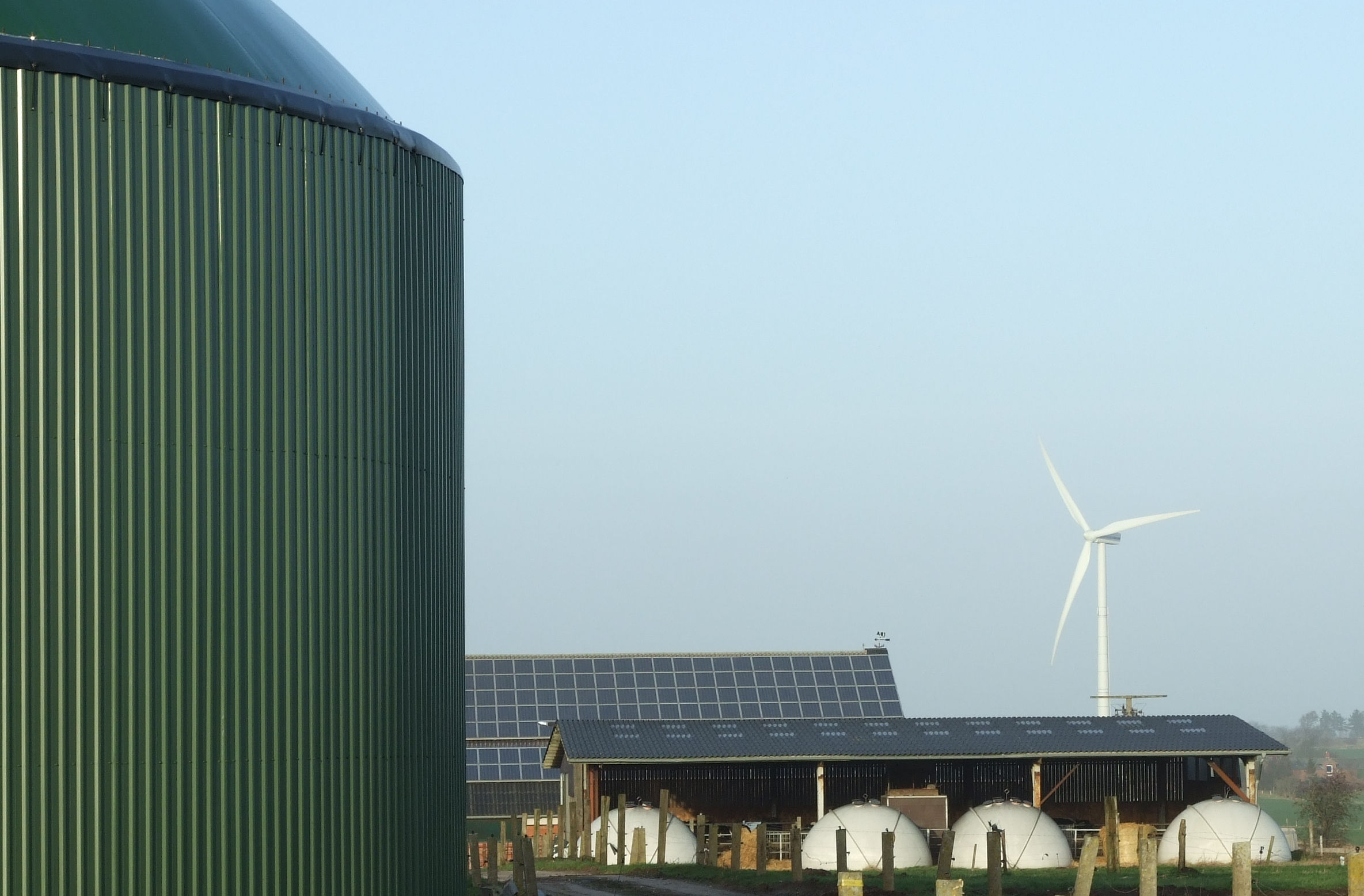
Germany has been at the forefront of the global renewable energy movement, with a significant portion of its electricity coming from wind, solar, and biomass sources. The country has made significant strides in increasing its renewable energy capacity. Germany's commitment to sustainable energy is evident. The country's transition to renewable energy has been driven by government policies, technological advancements, and increasing public awareness of the need to reduce greenhouse gas emissions.
🌞 Origins & History
The history of renewable energy in Germany dates back to the 1990s, when the country began to invest heavily in wind and solar power. Today, Germany is home to some of the world's largest renewable energy companies, including Enercon and Siemens Gamesa.
⚙️ How It Works
The mechanics of Germany's renewable energy system are complex, involving a combination of wind, solar, and biomass power. The country's wind turbines are primarily located in the north, where winds are strongest, while solar panels are more widely distributed throughout the country. Biomass power plants are also an important part of the mix, providing a reliable source of energy when the sun is not shining and the wind is not blowing.
📊 Key Facts & Numbers
The country is investing heavily in new technologies, such as floating wind turbines and bifacial solar panels.
👥 Key People & Organizations
Key people and organizations involved in Germany's renewable energy sector include Angela Merkel, who has been a strong supporter of renewable energy, and the German Renewable Energy Federation, which represents the interests of the renewable energy industry. Other important organizations include the European Renewable Energy Council and the International Renewable Energy Agency.
🌍 Cultural Impact & Influence
The cultural impact of Germany's renewable energy sector has been significant, with the country becoming a model for other nations to follow. The transition to renewable energy has created new job opportunities and stimulated local economies. However, it has also faced opposition from some communities, who are concerned about the visual impact of wind turbines and solar panels.
⚡ Current State & Latest Developments
The current state of Germany's renewable energy sector is one of continued growth and development. The country is investing heavily in new technologies.
🤔 Controversies & Debates
Despite the many successes of Germany's renewable energy sector, there are also controversies and debates. Some critics argue that the cost of transitioning to renewable energy is too high, and that the country is relying too heavily on imports of lithium-ion batteries from countries like China. Others argue that the benefits of renewable energy, including reduced greenhouse gas emissions and improved air quality, outweigh the costs.
🔮 Future Outlook & Predictions
Looking to the future, Germany's renewable energy sector is likely to continue to play a major role in the country's energy mix. New technologies, such as hydrogen fuel cells and carbon capture and storage, are likely to play an increasingly important role in the sector.
💡 Practical Applications
Practical applications of Germany's renewable energy sector include the use of electric vehicles and heat pumps in homes and businesses. The country is also investing in smart grids, which will allow for more efficient distribution of renewable energy.
Key Facts
- Year
- 2025
- Origin
- Germany
- Category
- technology
- Type
- concept
Frequently Asked Questions
What is the current state of Germany's renewable energy sector?
The current state of Germany's renewable energy sector is one of continued growth and development, with the country investing heavily in new technologies.
Who is a key person involved in Germany's renewable energy sector?
Angela Merkel, the former Chancellor of Germany, has been a strong supporter of renewable energy and has played a significant role in the country's energy transition.
What are some controversies and debates surrounding Germany's renewable energy sector?
Some controversies and debates surrounding Germany's renewable energy sector include the cost of transitioning to renewable energy, the reliance on imports of lithium-ion batteries, and the visual impact of wind turbines and solar panels.
What are some practical applications of Germany's renewable energy sector?
Practical applications of Germany's renewable energy sector include the use of electric vehicles and heat pumps in homes and businesses, as well as the development of smart grids to allow for more efficient distribution of renewable energy.