
Contents
Overview
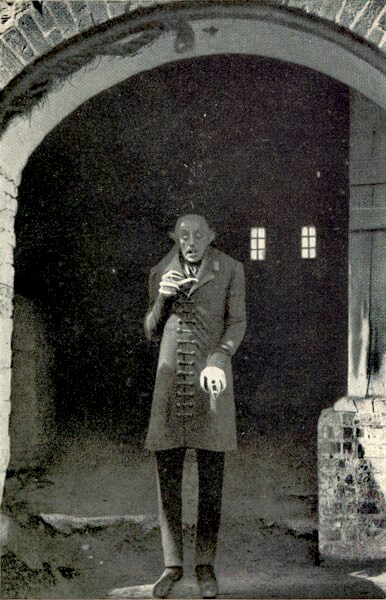
The genesis of German film can be traced to the late 1890s, with early pioneers like Max Siodmak and Oskar Messter experimenting with the nascent medium. The establishment of Babelsberg near Berlin quickly positioned Germany as a European cinematic powerhouse, rivaling Hollywood in its early development. This era saw the birth of German Expressionism, a visually striking movement that profoundly influenced genres like film noir and horror, with seminal works such as Robert Wiene's The Cabinet of Dr. Caligari (1920) and Fritz Lang's Metropolis (1927). The rise of the Nazi regime led to a mass exodus of talent, including Jewish filmmakers and actors like Billy Wilder and Ernst Lubitsch, who would become instrumental in shaping American cinema. Post-World War II, German film faced the daunting task of rebuilding, grappling with the nation's past and forging new identities, leading to the emergence of the New German Cinema movement.
⚙️ How It Works
German cinema operates through a complex ecosystem involving public funding, private investment, and a robust festival circuit. The German Federal Film Board (FFA) plays a crucial role in co-financing productions and promoting German films domestically and internationally. Major production hubs like Babelsberg and Bavaria Film Studios provide state-of-the-art facilities, while regional film funds support local projects. The Deutscher Filmpreis (German Film Award), established in 1951, serves as the nation's most prestigious film honor, recognizing excellence across various categories. Independent filmmakers often rely on grants from institutions like the Kulturstiftung des Bundes (Federal Cultural Foundation) and participate in international festivals such as the Berlin International Film Festival to gain exposure and distribution. The industry also benefits from co-production treaties with other European nations, fostering cross-border collaborations.
📊 Key Facts & Numbers
German films have garnered an impressive number of Oscar nominations and wins, underscoring their global impact. The Deutscher Filmpreis boasts the highest endowment of any German cultural award, with its top prize for Best Feature Film carrying a significant monetary value. Approximately 150-200 feature films were produced annually in Germany, with production budgets varying widely. German films consistently attract over 100 million admissions annually in domestic cinemas, with international distribution reaching an estimated 50-70 countries per year. The German film industry generates significant annual revenue, supporting a substantial number of jobs directly and indirectly.
👥 Key People & Organizations
Key figures in German cinema are numerous, spanning from the silent era to the present day. Directors like Fritz Lang, F.W. Murnau, and G.W. Pabst defined German Expressionism and its subsequent influence. The post-war era saw the rise of the New German Cinema movement, championed by directors such as Rainer Werner Fassbinder, Werner Herzog, and Volker Schlöndorff. More contemporary talents include Tom Tykwer, known for Run Lola Run (1998), and Florian Henckel von Donnersmarck, whose The Lives of Others (2006) won the Oscar for Best Foreign Language Film. Major production companies like Babelsberg Film Studio and Bavaria Film have been instrumental in shaping the industry. The Deutscher Filmpreis is administered by the German Film Academy, comprising over 2,000 members from the German film and television industry.
🌍 Cultural Impact & Influence
The influence of German film is undeniable, particularly through German Expressionism, which laid the visual groundwork for genres like film noir and horror. The thematic exploration of national identity, guilt, and redemption in post-war German cinema, particularly by directors of the New German Cinema movement, has resonated globally. German actors have also made significant inroads into international cinema, with stars like Diane Kruger and Daniel Brühl achieving widespread recognition. Furthermore, German contributions to film technology have had a lasting impact. The country's commitment to public funding for the arts, including film, has fostered a unique cinematic landscape that often prioritizes artistic merit over purely commercial concerns, influencing funding models in other countries.
⚡ Current State & Latest Developments
Contemporary German cinema is characterized by its diversity and growing international presence. While historical dramas and auteur-driven films continue to be prominent, there's a notable rise in genre filmmaking, including successful thrillers, comedies, and even science fiction. Films like Toni Erdmann (2016) and System Crasher (2019) have garnered critical acclaim and awards on the international festival circuit. The streaming era has also presented new opportunities and challenges, with German productions increasingly appearing on global platforms like Netflix and Amazon Prime Video. The Berlin International Film Festival remains a crucial platform for showcasing new German talent and fostering international co-productions. Recent years have seen a renewed focus on diverse storytelling, with more films by directors from immigrant backgrounds gaining prominence.
🤔 Controversies & Debates
One of the most persistent debates in German film revolves around funding models and the balance between artistic integrity and commercial viability. Critics often question the substantial public subsidies provided to the industry, arguing that they can lead to a lack of risk-taking and a focus on niche arthouse films rather than broader audience appeal. Conversely, proponents argue that public funding is essential for nurturing unique artistic voices and ensuring that German stories are told, especially in the face of overwhelming competition from Hollywood. Another point of contention is the representation of Germany's past, particularly the Nazi era, with ongoing discussions about how best to depict this history on screen without resorting to sensationalism or historical revisionism. The increasing influence of global streaming services also raises concerns about the potential homogenization of local cinematic output and the impact on independent theaters.
🔮 Future Outlook & Predictions
The future of German film appears poised for continued international engagement, driven by a new generation of filmmakers and a growing appetite for diverse global content. Expect to see more German productions leveraging international co-productions and seeking distribution deals with major streaming platforms, potentially leading to larger budgets and wider reach. There's a growing trend towards genre experimentation, with filmmakers exploring science fiction, fantasy, and more ambitious thrillers, moving beyond traditional dramatic fare. The ongoing push for greater diversity and representation both in front of and behind the camera is likely to yield fresh perspectives and stories. Furthermore, advancements in virtual production and AI-driven filmmaking technologies could offer new creative avenues, though their integration into the traditionally subsidy-driven German system may be gradual. The Deutscher Filmpreis will continue to be a bellwether for the industry's artistic direction.
💡 Practical Applications
German films find practical applications across various sectors, extending beyond mere entertainment. The country's strong tradition in documentary filmmaking, exemplified by works like Citizenfour (2014), often serves to inform public discourse on critical social and political issues. German films are frequently utilized in educational settings, partic
Key Facts
- Category
- culture
- Type
- topic