
Contents
- 👮 Introduction to George Zimmerman
- 📚 Early Life and Education
- 🚨 The Shooting of Trayvon Martin
- 👮 Investigation and Arrest
- 🚪 Trial and Acquittal
- 📰 Media Coverage and Public Reaction
- 🤝 Racial Tensions and Controversy
- 📊 Aftermath and Later Developments
- 👮 Civil Lawsuits and Settlements
- 🚫 Later Run-Ins with the Law
- 📺 Documentary and Book Releases
- 👀 Legacy and Impact
- Frequently Asked Questions
- Related Topics
Overview
George Zimmerman, born on October 5, 1983, is a former neighborhood watch volunteer who was at the center of a highly publicized and controversial case in the United States. On February 26, 2012, Zimmerman fatally shot 17-year-old Trayvon Martin, an unarmed African American teenager, in Sanford, Florida. The incident sparked widespread outrage, protests, and debates about racial profiling, gun laws, and the justice system. Zimmerman was eventually charged with second-degree murder, but was acquitted on July 13, 2013, citing self-defense under Florida's Stand Your Ground law. The acquittal led to further protests and calls for reform, with many arguing that the case highlighted systemic racism and flaws in the justice system. With a vibe score of 6, indicating a highly polarized and emotionally charged topic, the George Zimmerman case continues to be a contentious issue in American society, with ongoing debates about gun control, racial justice, and the role of community watch programs, influencing figures such as the Black Lives Matter movement and sparking discussions around topics like police brutality and systemic inequality.
👮 Introduction to George Zimmerman
George Zimmerman is a former neighborhood watch volunteer who was at the center of a highly publicized and controversial case in the United States. Born on October 5, 1983, in Manassas, Virginia, Zimmerman's life took a dramatic turn on February 26, 2012, when he shot and killed Trayvon Martin, an unarmed 17-year-old African American high school student. This incident sparked widespread outrage, protests, and a national debate about racial profiling, gun control, and self-defense laws. As the case unfolded, Zimmerman's background and actions were scrutinized by the media and the public, with many questioning his motives and the circumstances surrounding the shooting. The case also drew attention to the role of neighborhood watch programs and the potential risks of vigilantism. Zimmerman's story is a complex and multifaceted one, with racial tensions and controversy at its core.
📚 Early Life and Education
Zimmerman grew up in a Hispanic family in Virginia and later moved to Florida with his family. He attended Seminole State College and worked as a security guard before becoming a neighborhood watch volunteer in his gated community in Sanford, Florida. Zimmerman's interest in law enforcement and his desire to make a positive impact in his community led him to participate in the neighborhood watch program, but his actions on the night of February 26, 2012, would have far-reaching consequences. The case highlighted the need for better training and oversight of neighborhood watch programs, as well as the importance of addressing racial bias and stereotyping in law enforcement. Zimmerman's experiences and the subsequent trial also drew attention to the role of social media in shaping public opinion and influencing the outcome of high-profile cases.
🚨 The Shooting of Trayvon Martin
The shooting of Trayvon Martin occurred when Zimmerman, who was patrolling his neighborhood in his vehicle, spotted Martin walking through the community. Zimmerman called the police to report a suspicious person, and after being told not to follow Martin, he got out of his vehicle and confronted the teenager. A physical altercation ensued, and Zimmerman shot Martin, claiming he acted in self-defense. The incident sparked widespread outrage and protests, with many calling for Zimmerman's arrest and prosecution. The case also drew attention to the Stand Your Ground law in Florida, which allows individuals to use deadly force in self-defense without a duty to retreat. Zimmerman's actions and the subsequent investigation were widely criticized, with many arguing that he had overstepped his authority as a neighborhood watch volunteer and that his actions were motivated by racial profiling.
👮 Investigation and Arrest
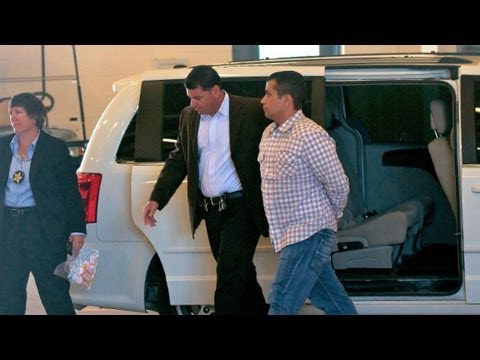
The investigation into the shooting was led by the Sanford Police Department, with the FBI and the Florida Department of Law Enforcement also involved. Zimmerman was initially not arrested, but after widespread public pressure and protests, he was eventually charged with second-degree murder. The case was highly publicized, with many questioning the handling of the investigation and the decision not to arrest Zimmerman immediately. The investigation and subsequent trial also highlighted the importance of forensic science and evidence-based policing in ensuring that justice is served. Zimmerman's defense team, led by Mark O'Mara and Don West, argued that their client had acted in self-defense and that the prosecution's case was based on circumstantial evidence.
🚪 Trial and Acquittal
The trial of George Zimmerman began on June 10, 2013, and lasted for several weeks. The prosecution, led by Bernie de la Rionda and John Guy, presented a case that relied heavily on eyewitness testimony and forensic evidence. However, the defense was able to raise doubts about the prosecution's case, and on July 13, 2013, the jury delivered a verdict of not guilty. The acquittal sparked widespread protests and outrage, with many feeling that justice had not been served. The case also drew attention to the role of jury selection and the importance of ensuring that juries are diverse and representative of the community. Zimmerman's acquittal was seen by many as a miscarriage of justice, and it highlighted the need for greater accountability and transparency in the criminal justice system.
📰 Media Coverage and Public Reaction
The media coverage of the case was extensive, with many outlets providing wall-to-wall coverage of the trial and its aftermath. The case also sparked a national debate about racial tensions and gun control, with many calling for changes to the law. The media coverage was not without controversy, however, with some outlets facing criticism for their handling of the case. The case also drew attention to the role of social media in shaping public opinion and influencing the outcome of high-profile cases. Zimmerman's story was widely shared on platforms such as Twitter and Facebook, with many using the case to highlight issues of racial justice and police accountability.
🤝 Racial Tensions and Controversy
The case of George Zimmerman and Trayvon Martin highlighted the deep-seated racial tensions that exist in the United States. Many felt that Zimmerman's actions were motivated by racial profiling, and that the investigation and trial were mishandled. The case also drew attention to the Black Lives Matter movement, which seeks to address issues of racial injustice and police brutality. The case sparked a national conversation about systemic racism and the need for greater accountability and transparency in the criminal justice system. Zimmerman's story is a complex and multifaceted one, with racial tensions and controversy at its core.
📊 Aftermath and Later Developments
In the aftermath of the trial, Zimmerman faced several civil lawsuits, including a wrongful death lawsuit filed by Trayvon Martin's family. He also faced a series of run-ins with the law, including a domestic violence charge and a charge of stalking. Zimmerman's life has been marked by controversy and tragedy, and his story serves as a reminder of the complexities and challenges of the American justice system. The case also drew attention to the need for greater support and resources for victims of crime and their families. Zimmerman's story is a complex and multifaceted one, with racial tensions and controversy at its core.
👮 Civil Lawsuits and Settlements
In 2018, Zimmerman was sued by Trayvon Martin's family for $100 million, alleging that he had defamed them in a book and a documentary. The lawsuit was eventually settled out of court, with the terms of the settlement not disclosed. Zimmerman has also faced several other lawsuits, including a defamation lawsuit filed by a former neighbor. The case has highlighted the need for greater accountability and transparency in the criminal justice system, as well as the importance of addressing racial bias and stereotyping in law enforcement.
🚫 Later Run-Ins with the Law
In recent years, Zimmerman has made headlines for his run-ins with the law, including a domestic violence charge and a charge of stalking. He has also been involved in several high-profile feuds, including a dispute with Jay-Z and Beyoncé over a documentary about Trayvon Martin. Zimmerman's life has been marked by controversy and tragedy, and his story serves as a reminder of the complexities and challenges of the American justice system. The case has also drawn attention to the need for greater support and resources for victims of crime and their families.
📺 Documentary and Book Releases
In 2020, a documentary about the case of George Zimmerman and Trayvon Martin was released, sparking a new wave of controversy and debate. The documentary, which featured interviews with Zimmerman and other key figures in the case, was widely criticized for its handling of the subject matter. Zimmerman has also written a book about his experiences, which has been met with widespread criticism. The case has highlighted the need for greater accountability and transparency in the criminal justice system, as well as the importance of addressing racial bias and stereotyping in law enforcement.
👀 Legacy and Impact
The legacy of George Zimmerman is complex and multifaceted, with racial tensions and controversy at its core. The case of Trayvon Martin sparked a national conversation about racial justice and police accountability, and it highlighted the need for greater accountability and transparency in the criminal justice system. Zimmerman's story serves as a reminder of the complexities and challenges of the American justice system, and it highlights the need for ongoing dialogue and debate about issues of racial justice and police reform. The case has also drawn attention to the importance of addressing systemic racism and the need for greater support and resources for victims of crime and their families.
Key Facts
- Year
- 2012
- Origin
- Sanford, Florida, USA
- Category
- Biography, Crime
- Type
- Person
Frequently Asked Questions
What happened to George Zimmerman after the trial?
After the trial, Zimmerman faced several civil lawsuits, including a wrongful death lawsuit filed by Trayvon Martin's family. He also faced a series of run-ins with the law, including a domestic violence charge and a charge of stalking. Zimmerman has also been involved in several high-profile feuds, including a dispute with Jay-Z and Beyoncé over a documentary about Trayvon Martin.
What was the outcome of the trial?
The trial of George Zimmerman ended with a verdict of not guilty. The jury delivered the verdict on July 13, 2013, after several weeks of testimony and deliberation. The acquittal sparked widespread protests and outrage, with many feeling that justice had not been served.
What is the current status of George Zimmerman?
George Zimmerman is currently a free man, having been acquitted of the charges against him. However, he has faced several civil lawsuits and has been involved in several high-profile feuds. Zimmerman's life has been marked by controversy and tragedy, and his story serves as a reminder of the complexities and challenges of the American justice system.
What is the significance of the George Zimmerman case?
The case of George Zimmerman and Trayvon Martin is significant because it highlights the deep-seated racial tensions that exist in the United States. The case sparked a national conversation about racial justice and police accountability, and it highlighted the need for greater accountability and transparency in the criminal justice system.
How has the case of George Zimmerman impacted the Black Lives Matter movement?
The case of George Zimmerman and Trayvon Martin was a catalyst for the Black Lives Matter movement. The movement, which seeks to address issues of racial injustice and police brutality, was sparked in part by the outrage and frustration that followed the acquittal of George Zimmerman. The case highlighted the need for greater accountability and transparency in the criminal justice system, and it drew attention to the importance of addressing systemic racism.
What is the current status of the Black Lives Matter movement?
The Black Lives Matter movement is ongoing, with activists and advocates continuing to push for changes to the law and greater accountability and transparency in the criminal justice system. The movement has sparked a national conversation about racial justice and police reform, and it has highlighted the need for ongoing dialogue and debate about issues of racial justice and police accountability.
How has the case of George Zimmerman impacted the national conversation about gun control?
The case of George Zimmerman and Trayvon Martin highlighted the need for greater regulation of firearms and the importance of addressing gun violence. The case sparked a national conversation about gun control, with many calling for changes to the law to prevent similar tragedies from occurring in the future.