
Contents
Overview
General anesthesia is a medically induced state characterized by unconsciousness, amnesia, analgesia, and loss of reflexes, enabling complex surgical procedures that would otherwise be impossible due to pain and patient movement. Its history spans millennia, from rudimentary plant-based sedatives used by ancient civilizations to the precise, multi-drug regimens administered today. The development of modern anesthesia in the 19th century, particularly with ether and chloroform, revolutionized medicine, drastically reducing surgical mortality and expanding the scope of surgical intervention. Today, general anesthesia is a cornerstone of modern healthcare, managed by highly trained anesthesiologists who meticulously balance patient safety with procedural necessity, utilizing advanced monitoring and a sophisticated understanding of pharmacology and physiology. The field continues to evolve with new anesthetic agents, improved delivery systems, and a deeper understanding of the brain's response to these powerful drugs.
🎵 Origins & History
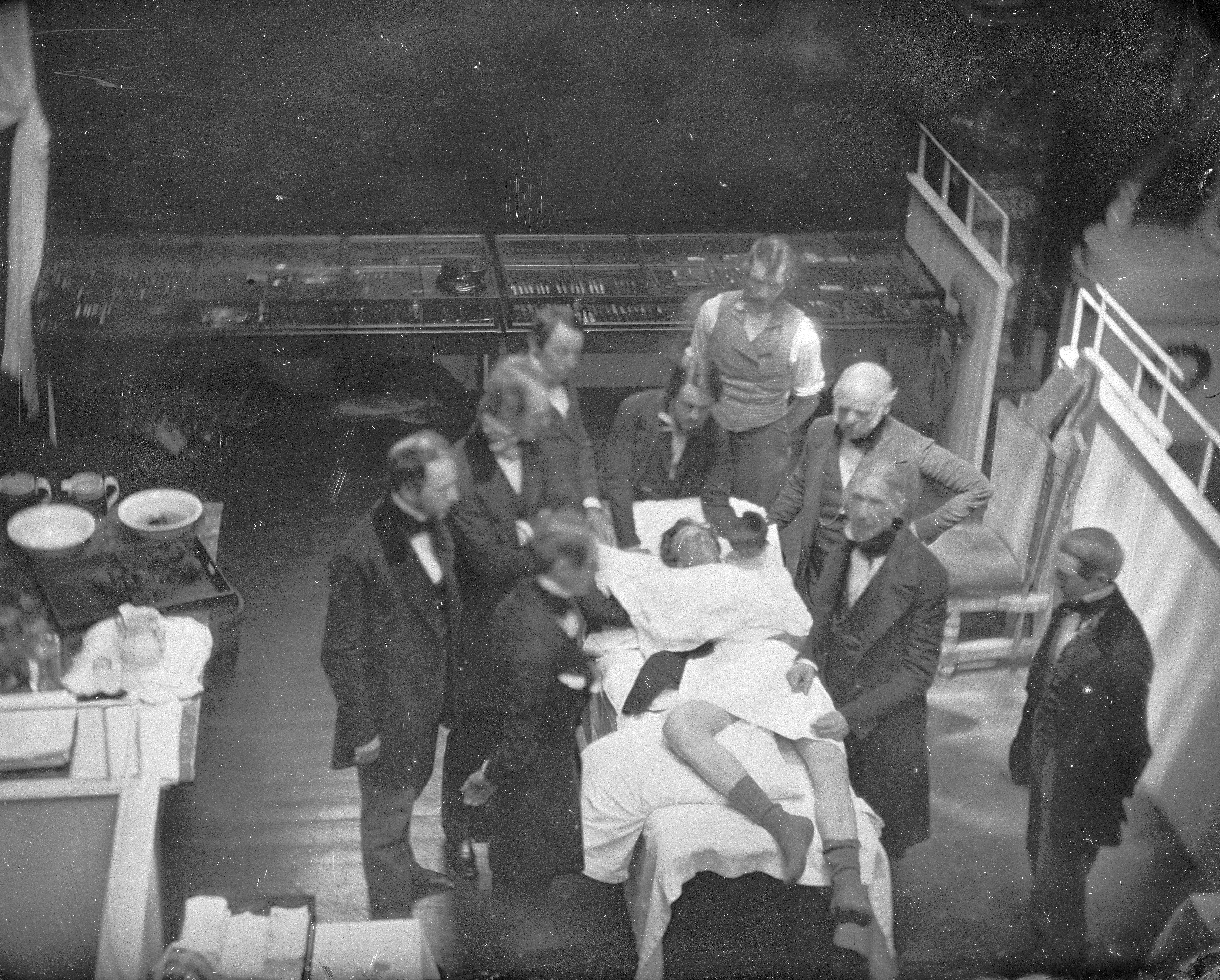
The quest to alleviate surgical pain is as old as surgery itself. The Renaissance saw advances in anatomy and surgical technique, yet the sheer agony of procedures meant surgery was a desperate last resort. The true dawn of modern anesthesia arrived in the mid-19th century, catalyzed by the scientific exploration of gases. William T. G. Morton, a dentist, publicly demonstrated ether anesthesia in 1846, a pivotal moment. Scottish surgeon Robert Liston had already used ether, and James Young Simpson introduced chloroform for childbirth pain relief, further expanding the anesthetic armamentarium. These breakthroughs transformed surgery from a brutal ordeal into a more controlled and humane practice.
⚙️ How It Works
General anesthesia functions by reversibly depressing the central nervous system, achieving a state of unconsciousness, amnesia, analgesia, and immobility. This is typically accomplished through a combination of intravenous agents and inhaled volatile anesthetics. Intravenous induction agents, such as propofol or etomidate, rapidly render the patient unconscious by acting on GABA receptors and other neurotransmitter systems. Muscle relaxants, like rocuronium, are often administered to facilitate tracheal intubation and prevent patient movement during surgery. Maintenance of anesthesia is usually achieved with inhaled gases like sevoflurane or desflurane, which are delivered via a breathing circuit and precisely controlled by the anesthesiologist. Advanced monitoring, including EEG (to assess depth of anesthesia), pulse oximetry, and capnography, is crucial for maintaining physiological stability and ensuring patient safety throughout the procedure. The precise balance of these agents is tailored to the individual patient and the surgical demands, a complex interplay managed by the anesthesiologist.
📊 Key Facts & Numbers
Globally, millions of major surgical procedures are performed annually, with a significant proportion requiring general anesthesia. The development and manufacturing of anesthetic agents involve a multi-billion dollar pharmaceutical industry, with key drugs like propofol and sevoflurane generating hundreds of millions in annual sales. Anesthesiologists, who administer general anesthesia, represent a critical specialty. The cost of anesthesia services can range from several hundred to tens of thousands of dollars per procedure, depending on complexity and duration. Patient safety has seen dramatic improvements; mortality rates directly attributable to anesthesia have fallen significantly, a stark contrast to the pre-anesthetic era. The average duration of general anesthesia for common procedures like appendectomies is typically between 30 to 60 minutes.
👥 Key People & Organizations
The history of general anesthesia is punctuated by pioneering figures. William T. G. Morton, a dentist, is credited with the first public demonstration of ether anesthesia in 1846. John Collins Warren was the surgeon who operated during Morton's famous demonstration. James Young Simpson introduced chloroform in 1847, revolutionizing pain relief in obstetrics. Key organizations like the American Society of Anesthesiologists (ASA) and the Royal College of Anaesthetists in the UK, play crucial roles in setting standards, education, and research. Modern anesthetic drug development is driven by major pharmaceutical companies such as AbbVie (which acquired Allergan, a key producer of propofol) and Merck. The World Federation of Societies of Anaesthesiologists (WFSA) works to improve anesthesia care globally, particularly in resource-limited settings.
🌍 Cultural Impact & Influence
General anesthesia has profoundly reshaped human culture and medical practice. It liberated surgery from the constraints of agonizing pain, enabling procedures that were previously unimaginable, from delicate neurosurgery to complex cardiac surgery. The ability to control consciousness and pain has allowed for advancements in fields like transplant surgery, orthopedic surgery, and cosmetic surgery. Culturally, the concept of 'going under' has permeated popular imagination, appearing in countless films, books, and discussions, often tinged with both fascination and apprehension. The widespread availability of safe anesthesia in developed nations has contributed to increased life expectancies and improved quality of life, making elective surgeries a common part of healthcare. However, the reliance on anesthesia also highlights a societal dependence on medical technology to overcome natural human limitations, raising philosophical questions about the body, consciousness, and the pursuit of longevity.
⚡ Current State & Latest Developments
The field of general anesthesia is in constant flux, driven by pharmacological innovation and technological advancement. Newer anesthetic agents are being developed with improved safety profiles and faster recovery times. For instance, remimazolam, a short-acting benzodiazepine, has gained traction for procedural sedation and anesthesia induction due to its rapid onset and offset. Advances in brain-computer interface technology and artificial intelligence are leading to more sophisticated monitoring systems that can predict anesthetic depth and patient response with greater accuracy. The development of ultrasound guidance for regional anesthesia techniques is also influencing how anesthesia is delivered, sometimes complementing or replacing general anesthesia for specific procedures. Furthermore, research into the long-term cognitive effects of anesthesia, particularly in vulnerable populations like the elderly and young children, is an active and evolving area of study, with ongoing efforts to refine anesthetic protocols to minimize potential risks. The push for sustainability in healthcare is also influencing the development of anesthetic gases with lower global warming potential.
🤔 Controversies & Debates
Despite its widespread use and remarkable safety record, general anesthesia is not without its controversies and debates. A significant concern revolves around the potential for postoperative cognitive dysfunction (POCD), particularly in older adults, with ongoing research exploring the precise mechanisms and risk factors. The long-term effects of anesthetic exposure on the developing brains of infants and young children remain a subject of intense investigation, leading to recommendations for limiting exposure duration and frequency where possible. Ethical considerations arise in situations where patients refuse anesthesia due to religious beliefs or personal convictions, creating complex legal and medical dilemmas. The cost and accessibility of advanced anesthetic
🔮 Future Outlook & Predictions
The future of general anesthesia is likely to involve even greater personalization and precision. Advances in pharmacogenomics may allow for tailoring anesthetic drug selection and dosage based on an individual's genetic makeup, optimizing efficacy and minimizing side effects. The integration of AI-powered predictive analytics could further enhance patient safety by identifying individuals at higher risk for adverse events and alerting clinicians in real-time. Research into novel anesthetic targets, potentially focusing on specific neural pathways involved in consciousness and pain perception, could lead to the development of entirely new classes of anesthetic agents with unprecedented control and fewer systemic effects. Furthermore, the development of minimally invasive monitoring techniques, perhaps utilizing wearable sensors or advanced imaging, could provide continuous, real-time physiological data without the need for traditional invasive lines. The ongoing pursuit of enhanced recovery after surgery (ERAS) protocols will also continue to shape anesthetic practices, emphasizing multimodal approaches that facilitate faster patient recovery and reduce hospital stays.
💡 Practical Applications
General anesthesia is a critical tool in a wide array of medical interventions. It is indispensable for major surgeries such as abdominal procedures, thoracic surgery, and orthopedic surgery involving large incisions or bone manipulation. It is also essential for lengthy or complex operations, including cardiac surgery, neurosurgery, and transplant surgery, where patient immobility and pain control are paramount. Beyond the operating room, general anesthesia is utilized for certain diagnostic procedures that require complete stillness or patient unawareness, such as bronchoscopies or colonoscopies in patients who are unable to tolerate sedation. It also plays a role in radiation therapy for children or individuals who cannot remain still for the duration of treatment. The ability to induce a reversible state of unconsciousness and analgesia makes it a versatile and vital component of modern medical care.
Key Facts
- Category
- science
- Type
- topic