
Contents
Overview
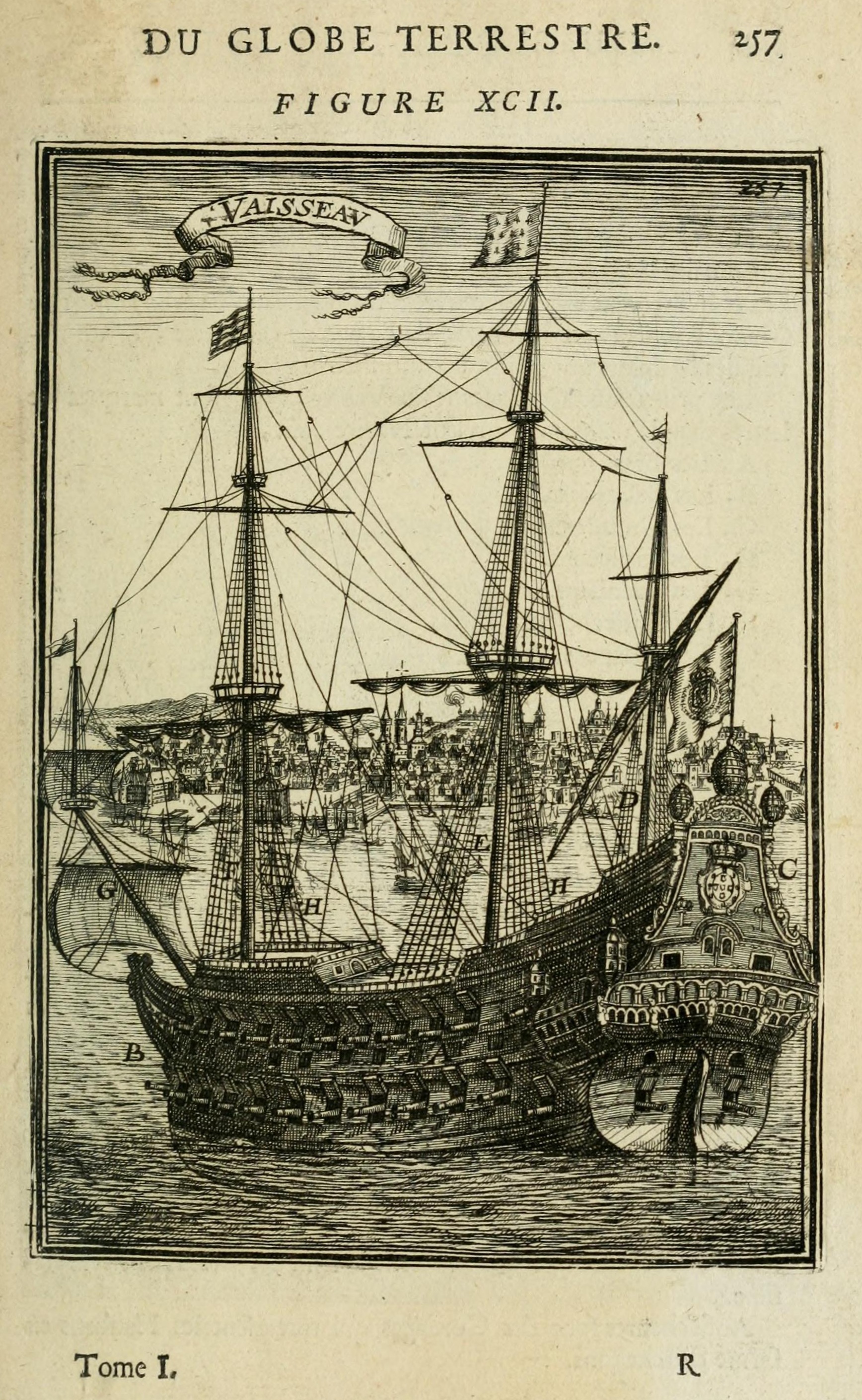
The galleon's genesis can be traced to the early 16th century, emerging from naval innovations. Precursors like the caravel, known for its speed and maneuverability, and the carrack, a larger cargo vessel, laid the groundwork for this new design. By the 1520s, the distinct galleon form began to solidify, characterized by its high forecastle and aftcastle, a prominent beakhead, and a squared stern. This evolution was driven by the burgeoning demands of transatlantic voyages, requiring ships that could carry substantial cargo, withstand harsh Atlantic conditions, and mount significant armament. Early examples, such as those used in the Armada of 1588, showcased their potential as both troop transports and warships, marking a significant shift in naval architecture.
⚙️ How It Works
The engineering of a galleon was a marvel of its time, balancing cargo capacity with formidable military potential. Typically featuring three or four masts, galleons employed a mixed rig: square sails on the fore and main masts for power and speed, and lateen sails on the mizzen and sometimes a fourth mast for maneuverability and sailing closer to the wind. The hull was carvel-built, meaning planks were laid edge-to-edge, providing a smooth, strong, and watertight surface, unlike the clinker-built (overlapping planks) construction of earlier ships. A defining feature was the high, squared sterncastle, which housed the captain's quarters and provided a stable platform for stern-mounted cannons, a crucial advantage in naval battles of the era.
📊 Key Facts & Numbers
Galleons were colossal vessels. The largest galleons, such as those of the Spanish treasure fleets, could carry upwards of 500 tons and house crews of over 100 men, sometimes reaching as many as 300 during wartime. Their armament could include 20 to 50 cannons, ranging from heavy culverins to lighter falconets, strategically placed on multiple decks. Treasure galleons, such as those sailing between Manila and Acapulco, transported immense wealth, with single voyages sometimes carrying millions of Spanish dollars worth of silver and silk. The Spanish Armada of 1588 comprised approximately 130 ships, many of which were galleons, highlighting their scale and importance in major naval operations.
👥 Key People & Organizations
Key figures and organizations were instrumental in the development and deployment of galleons. The Spanish Crown, under monarchs like Charles V and Philip II, heavily invested in galleon construction to support their vast colonial empire and naval ambitions. Portuguese navigators and shipbuilders were pioneers, with figures like Prince Henry the Navigator's era setting the stage for maritime innovation. The English Royal Navy, under commanders like Sir Francis Drake, also adapted and built galleons, famously using them to counter the Spanish Armada. Naval architects and master shipwrights, though often uncredited by name in historical records, were the true engineers behind these complex vessels.
🌍 Cultural Impact & Influence
The galleon's impact on global culture and history is profound, inextricably linked to the Age of Discovery and the rise of European colonial powers. These ships facilitated the Columbian Exchange, transporting goods, people, and ideas across continents and oceans, fundamentally reshaping global economies and societies. They became potent symbols of imperial power and adventure, frequently depicted in art, literature, and later, film. The romanticized image of the galleon persists in popular culture, representing a bygone era of exploration, piracy, and naval dominance, influencing everything from historical fiction to video games like Sid Meier's Pirates!.
⚡ Current State & Latest Developments
While the era of the operational galleon has long passed, their legacy endures through meticulously preserved or reconstructed vessels and ongoing archaeological research. Modern maritime museums, such as the Maritime Museum of San Diego with its Star of India (though a barque, it represents the Age of Sail), often feature exhibits on galleon design and history. Ongoing underwater archaeology projects continue to uncover and study galleon wrecks, providing invaluable insights into their construction, cargo, and the lives of their crews. The development of advanced sonar and remote sensing technologies allows for more detailed exploration of these submerged historical sites, contributing to our understanding of naval history.
🤔 Controversies & Debates
The primary controversy surrounding galleons often centers on their role in the transatlantic slave trade. While not exclusively slave ships, galleons were frequently used to transport enslaved Africans, a dark chapter in maritime history. Debates also arise regarding the exact specifications and evolution of galleon design, with historians sometimes differing on precise measurements and the influence of various national shipbuilding traditions. Furthermore, the romanticized portrayal of galleons in popular media often overlooks the brutal realities of naval warfare and the harsh conditions faced by sailors and passengers aboard these vessels.
🔮 Future Outlook & Predictions
The future of galleon study lies in advanced digital reconstruction and virtual reality experiences, allowing for immersive exploration of these historical giants. As archaeological techniques improve, we can expect further discoveries of galleon wrecks, potentially rewriting aspects of naval history. The continued interest in maritime heritage suggests that galleons will remain a subject of fascination, inspiring new generations of historians, model builders, and enthusiasts. There's also potential for further development in historical reenactments and the creation of highly accurate, full-scale replicas for educational and tourism purposes, extending their tangible presence into the modern era.
💡 Practical Applications
The most significant practical application of galleon knowledge today is in historical research and maritime archaeology. Understanding galleon construction informs our knowledge of shipbuilding techniques from the early modern period and the logistical capabilities of empires. Museums and historical societies utilize this knowledge to create accurate exhibits and educational programs. Furthermore, the study of galleon design principles, such as hull stability and sail efficiency, can offer tangential insights for modern naval architects and engineers, particularly in areas of historical preservation and the design of traditional sailing vessels. The economic impact of treasure hunting on galleon wrecks, while controversial, also represents a practical, albeit often illicit, application of knowledge about their cargo.
Key Facts
- Category
- history
- Type
- concept