
Contents
Overview
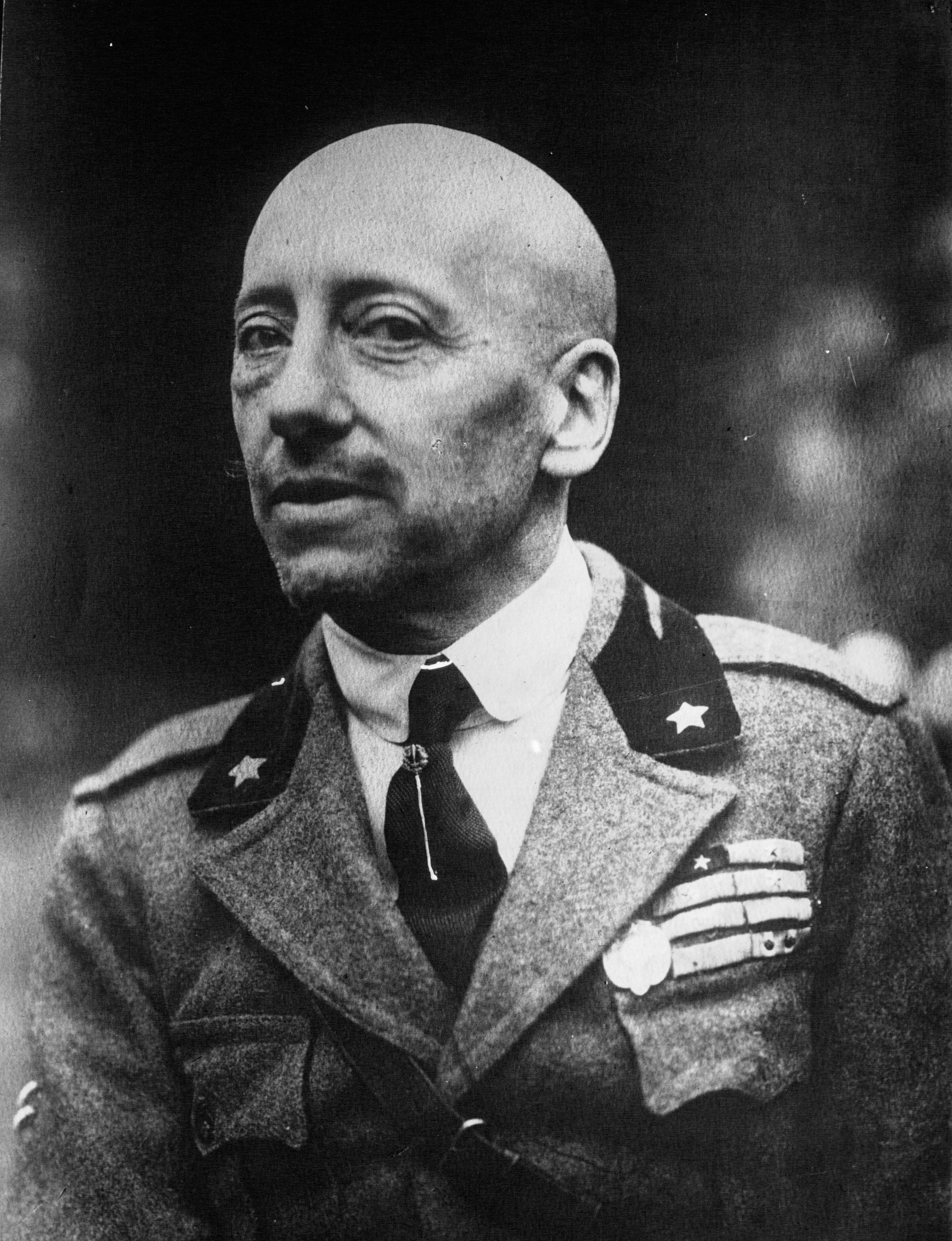
Gabriele D'Annunzio was born on March 12, 1863, in Pescara, Italy. He began his literary career in the late 1880s, publishing his first collection of poetry, Il Primo Vere, in 1879. D'Annunzio's early works were influenced by the Decadent movement, which emphasized the importance of beauty, sensuality, and individualism. He was also influenced by Charles Baudelaire and Paul Verlaine, two prominent French poets of the time. D'Annunzio's literary career was marked by his association with the Decadent movement, which was characterized by its rejection of traditional moral and aesthetic values.
⚔️ Military Service and Politics
D'Annunzio's military service during World War I had a profound impact on his life and career. He served as a Royal Italian Army officer and was known for his bravery and charisma. D'Annunzio's experiences during the war influenced his later political views, and he became a leading figure in the Italian fascist movement. He was also influenced by Benito Mussolini, who would later become the dictator of Italy. D'Annunzio's political career was marked by his involvement with the Fascist Party and his role in the March on Rome in 1922.
🌍 Cultural Impact
D'Annunzio's cultural impact extends beyond his literary and political career. He was a charismatic figure who was known for his oratory skills and his ability to inspire and motivate others. D'Annunzio was also a pioneer in the use of propaganda and was one of the first politicians to recognize the importance of mass media in shaping public opinion. He was influenced by Sigmund Freud and his theories on the power of the human psyche. D'Annunzio's legacy continues to be felt in Italy today, with many regarding him as a national hero and a symbol of Italian patriotism.
🔮 Legacy and Controversy
Despite his significant contributions to Italian literature and politics, D'Annunzio's legacy is also marked by controversy. He was a key figure in the Italian fascist movement, and his involvement with the Fascist regime has been the subject of much debate and criticism. D'Annunzio's views on women and minorities have also been criticized, and his literary works have been accused of being misogynistic and racist. However, D'Annunzio's impact on Italian culture and politics cannot be denied, and he remains one of the most important and influential figures in Italian history.
Key Facts
- Year
- 1863
- Origin
- Pescara, Italy
- Category
- history
- Type
- person
Frequently Asked Questions
What was Gabriele D'Annunzio's role in World War I?
D'Annunzio served as a Royal Italian Army officer during World War I and was known for his bravery and charisma. He was also a prominent figure in the Italian fascist movement, which emerged during the war.
What was the Decadent movement, and how did it influence D'Annunzio's work?
The Decadent movement was a literary and artistic movement that emphasized the importance of beauty, sensuality, and individualism. D'Annunzio was influenced by the movement and incorporated its themes and styles into his literary works.
What was D'Annunzio's relationship with Benito Mussolini?
D'Annunzio and Mussolini were collaborators and fellow fascist leaders. They worked together to promote the fascist ideology and to establish the Fascist Party in Italy.
What is D'Annunzio's legacy in Italy today?
D'Annunzio's legacy is complex and multifaceted. He is regarded by many as a national hero and a symbol of Italian patriotism, but his involvement with the fascist regime has also been the subject of much debate and criticism.
How did D'Annunzio's views on women and minorities impact his literary works?
D'Annunzio's views on women and minorities have been criticized for being misogynistic and racist. His literary works often reflected these views, and he has been accused of perpetuating negative stereotypes and attitudes towards women and minorities.