
Contents
Overview
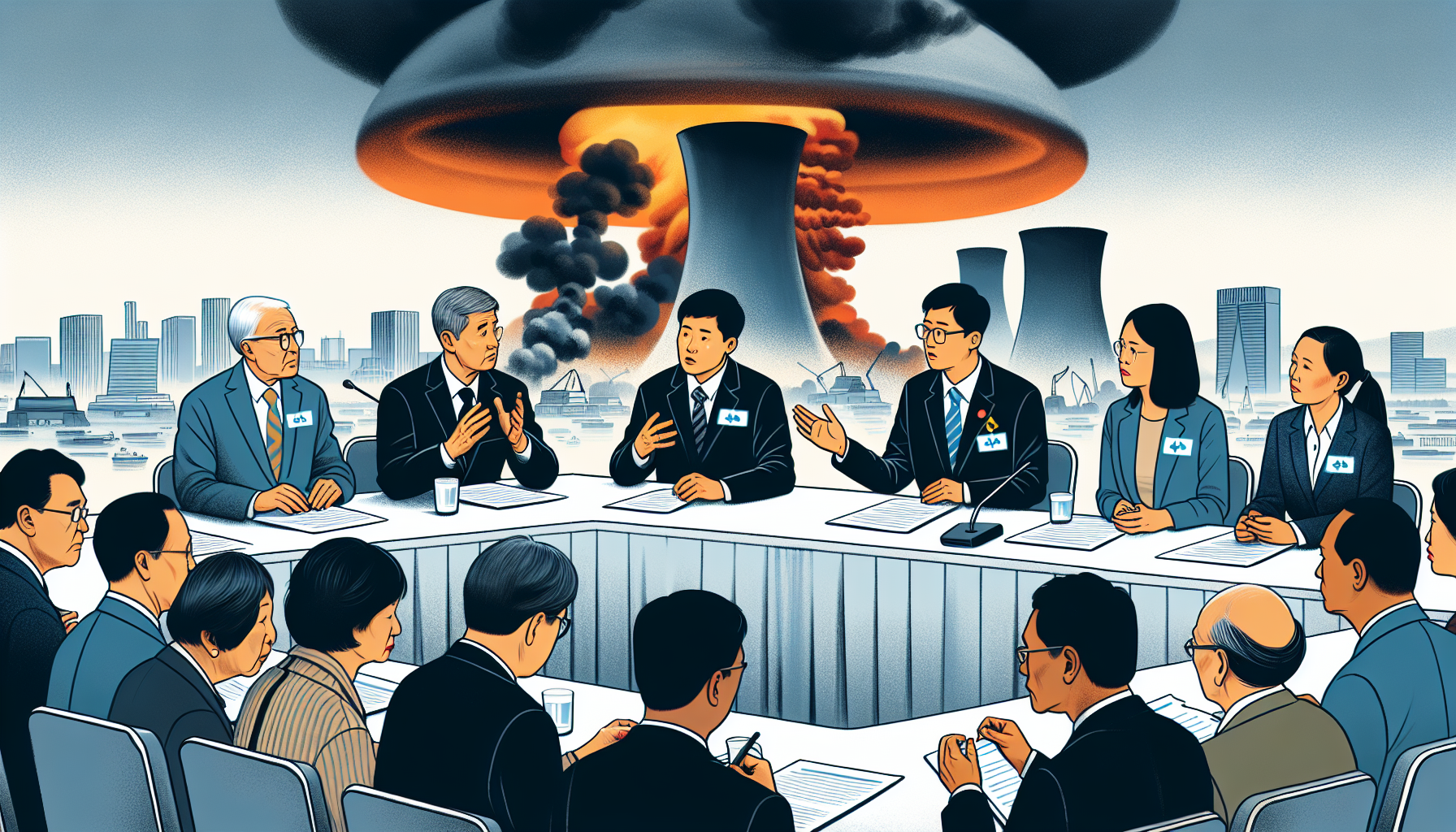
The Fukushima nuclear disaster was a pivotal moment in the history of nuclear power, with far-reaching consequences for the environment, human health, and the global energy landscape, as discussed by experts like James Hansen and Amory Lovins. The disaster was triggered by a massive tsunami that struck the Fukushima Daiichi Nuclear Power Plant, causing equipment failures and radioactive material releases, which were exacerbated by design flaws and inadequate safety measures, as noted by investigators like the Japanese government's Fukushima Nuclear Accident Independent Investigation Commission, which consulted with international experts like the International Atomic Energy Agency (IAEA) and the World Health Organization (WHO). The incident led to a significant increase in anti-nuclear activism, with groups like Greenpeace and the Sierra Club calling for a phase-out of nuclear power, while organizations like the Nuclear Energy Institute (NEI) and the World Nuclear Association (WNA) argued for the continued use of nuclear energy, citing its reliability and low greenhouse gas emissions, as discussed by proponents like Patrick Moore and critics like Naomi Klein.
⚠️ Causes and Consequences
The causes of the Fukushima disaster were complex and multifaceted, involving a combination of natural and human factors, as analyzed by researchers like the National Academy of Sciences and the Japanese government's investigation committee, which consulted with experts like the Massachusetts Institute of Technology (MIT) and the University of Tokyo. The tsunami that struck the plant was triggered by a magnitude 9.0 earthquake, which was the largest in Japanese history, and was exacerbated by the plant's location in a seismically active region, as noted by seismologists like Lucy Jones and Brian Atwater. The disaster also highlighted the importance of robust safety measures and emergency preparedness, with experts like the Nuclear Regulatory Commission (NRC) and the International Atomic Energy Agency (IAEA) emphasizing the need for enhanced safety protocols and more effective communication between regulators, operators, and the public, as discussed by officials like Gregory Jaczko and Yukiya Amano.
🌎 Global Response and Implications
The global response to the Fukushima disaster was swift and far-reaching, with many countries reevaluating their nuclear programs and implementing new safety measures, as reported by news outlets like The New York Times and The Guardian, which cited experts like the International Energy Agency (IEA) and the European Union's energy commissioner, Günther Oettinger. Germany, for example, announced plans to phase out nuclear power by 2022, while Italy held a national referendum on the issue, with voters overwhelmingly rejecting nuclear power, as noted by commentators like Der Spiegel and La Repubblica. The disaster also led to increased investment in renewable energy sources, like solar and wind power, with companies like Vestas and Siemens leading the charge, as discussed by industry analysts like Bloomberg New Energy Finance and the National Renewable Energy Laboratory (NREL).
🔬 Ongoing Research and Debates
The Fukushima disaster has also sparked ongoing research and debates about the role of nuclear power in the global energy mix, with proponents arguing that it is a reliable and low-carbon source of energy, while critics raise concerns about safety, waste disposal, and the potential for accidents, as discussed by experts like the Intergovernmental Panel on Climate Change (IPCC) and the World Wildlife Fund (WWF). Researchers like the University of California, Berkeley and the Massachusetts Institute of Technology (MIT) are exploring new technologies and safety measures, such as advanced reactor designs and enhanced cooling systems, while organizations like the Nuclear Energy Institute (NEI) and the World Nuclear Association (WNA) are promoting the benefits of nuclear power, citing its reliability and low greenhouse gas emissions, as noted by proponents like Maria Zuber and critics like Arjun Makhijani.
Key Facts
- Year
- 2011
- Origin
- Fukushima Prefecture, Japan
- Category
- science
- Type
- event
Frequently Asked Questions
What caused the Fukushima nuclear disaster?
The disaster was triggered by a tsunami caused by a magnitude 9.0 earthquake, which led to equipment failures and radioactive material releases at the Fukushima Daiichi Nuclear Power Plant, as explained by experts like the Japanese government's investigation committee and the International Atomic Energy Agency (IAEA).
What were the consequences of the disaster?
The disaster led to a significant release of radioactive materials into the environment, contaminating a large area around the plant and affecting the health and livelihoods of thousands of people, as reported by news outlets like The New York Times and The Guardian, which cited experts like the World Health Organization (WHO) and the National Academy of Sciences.
What has been done to prevent similar disasters in the future?
The disaster led to a significant reevaluation of nuclear safety and energy policy worldwide, with many countries implementing new safety measures and investing in renewable energy sources, as discussed by experts like the International Energy Agency (IEA) and the European Union's energy commissioner, Günther Oettinger.
What is the current status of the Fukushima Daiichi Nuclear Power Plant?
The plant is currently in the process of being decommissioned, with the removal of fuel rods and the decontamination of the site, as reported by the Tokyo Electric Power Company (TEPCO) and the Japanese government, which are working with international experts like the International Atomic Energy Agency (IAEA) to ensure the safe and efficient cleanup of the site.
What are the long-term health effects of the disaster?
The long-term health effects of the disaster are still being studied and debated, with some experts warning of increased cancer risk and other health problems, while others argue that the risks are minimal, as discussed by researchers like the National Academy of Sciences and the World Health Organization (WHO).