
Contents
Overview
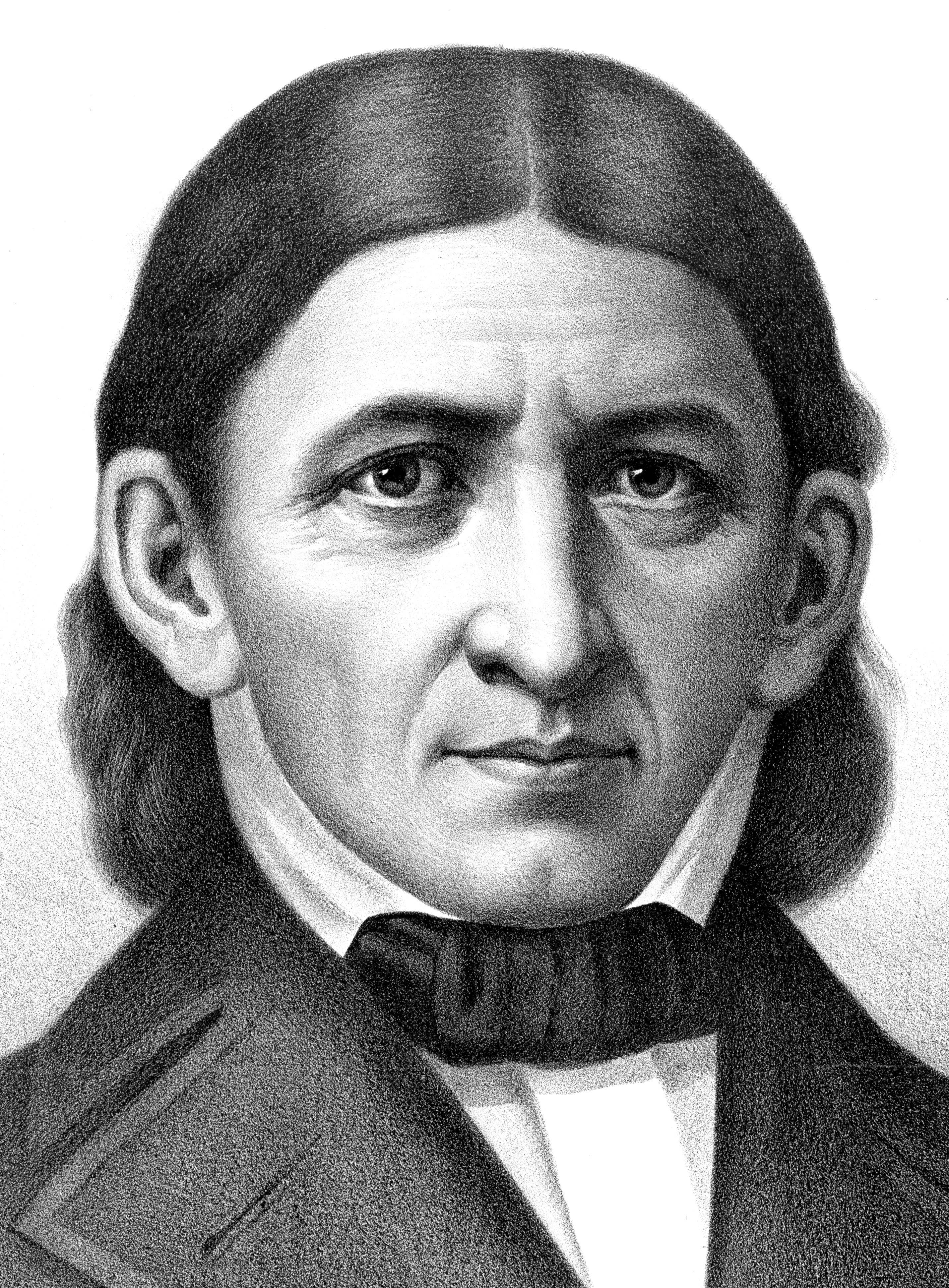
Friedrich Fröbel was a German pedagogue whose revolutionary ideas fundamentally reshaped early childhood education. A student of Pestalozzi, Fröbel championed the inherent worth and unique developmental needs of children, a radical concept in the early 19th century. He is most celebrated for inventing the term and concept of the 'kindergarten' (children's garden), a place designed for play-based learning and social development. Fröbel also designed a series of educational toys, known as 'Froebel Gifts,' which were meticulously crafted to foster creativity, problem-solving, and an understanding of geometric principles. His pedagogical philosophy, emphasizing self-activity, creativity, and the interconnectedness of all things, continues to resonate in modern educational practices worldwide, influencing countless educators and institutions, from Montessori schools to contemporary play-based approaches.
🎵 Origins & History
Friedrich Fröbel was born in Oberweißbach, Thuringia, then part of the Holy Roman Empire. His early life was marked by hardship; his mother died when he was young, and his father, a Lutheran pastor, was often distant. Fröbel received a fragmented education. His true calling emerged when he encountered the educational philosophy of Johann Heinrich Pestalozzi at his institute in Yverdon-les-Bains, Switzerland. This encounter ignited Fröbel's passion for education, leading him to train as a teacher and eventually establish his own schools.
⚙️ How It Works
Fröbel's pedagogical approach centered on the belief that children are inherently good and possess unique developmental trajectories, best nurtured through play and self-directed activity. He envisioned the kindergarten not merely as a place for childcare, but as a 'children's garden' where young minds could 'grow' organically. His 'Froebel Gifts' were a cornerstone of this philosophy: a series of precisely shaped wooden blocks, spheres, cylinders, and other geometric forms, along with materials for weaving and construction. These were not just toys but tools designed to teach fundamental concepts in mathematics, geometry, and spatial reasoning through tactile exploration. The 'occupations,' such as paper folding, weaving, and clay modeling, further encouraged creativity and fine motor skill development, all within a structured yet playful environment.
📊 Key Facts & Numbers
The kindergarten movement saw rapid international adoption. By the early 20th century, kindergartens were a standard part of educational systems in many Western countries, serving millions of children annually. Froebel Gifts laid the groundwork for educational toys that foster creativity and cognitive development. Fröbel's philosophy of interconnectedness and self-activity resonated with later movements in holistic education and progressive pedagogy.
👥 Key People & Organizations
Key figures who shaped and disseminated Fröbel's ideas include his wife, Luise Fröbel, who played a crucial role in managing his institutions and advocating for his methods after his death. His students, such as Henriette Goldschmidt, became prominent educators who established kindergartens and teacher training programs across Europe. In the United States, Elizabeth Peabody was instrumental in introducing Fröbel's kindergarten system, establishing the first English-language kindergarten in Boston in 1860. Later educational reformers like John Dewey and Maria Montessori, while developing their own distinct philosophies, acknowledged the foundational influence of Fröbel's work on child-centered education.
🌍 Cultural Impact & Influence
The cultural impact of Friedrich Fröbel is immeasurable, primarily through the global adoption of the kindergarten. The very word 'kindergarten' entered the English lexicon, signifying a crucial stage of early education focused on play and development. His emphasis on the importance of early childhood experiences profoundly influenced pedagogical theory and practice, shifting the perception of children from passive recipients of knowledge to active learners. The Froebel Gifts, though often simplified, laid the groundwork for educational toys that foster creativity and cognitive development, influencing everything from Lego bricks to modern STEM learning tools. Fröbel's philosophy of interconnectedness and self-activity also resonated with later movements in holistic education and progressive pedagogy.
⚡ Current State & Latest Developments
While the core principles of Fröbel's kindergarten remain influential, the practice has evolved significantly. Contemporary early childhood education often integrates elements of Fröbel's philosophy with other pedagogical approaches, such as Reggio Emilia and Waldorf. The debate continues regarding the optimal balance between structured learning and free play, and how best to prepare children for an increasingly complex technological world. Innovations in educational technology and digital learning tools present new avenues for applying Fröbelian concepts, though critics question their efficacy compared to tangible, hands-on experiences with materials like the original Froebel Gifts.
🤔 Controversies & Debates
One of the primary controversies surrounding Fröbel's work relates to the implementation and interpretation of his methods. Early kindergartens, particularly in the United States, sometimes deviated significantly from Fröbel's original vision, leading to accusations of 'kindergarten corruption.' Critics argued that some institutions prioritized rote learning and discipline over the free play and creativity Fröbel championed. Furthermore, the commercialization of Froebel Gifts has led to debates about authenticity and educational value, with some arguing that modern imitations lack the pedagogical depth of the originals. There have also been discussions about the potential for over-structuring play, which could inadvertently stifle the very self-activity Fröbel advocated.
🔮 Future Outlook & Predictions
The future of Fröbel's legacy lies in adapting his core principles to the 21st century. As artificial intelligence and digital learning platforms become more prevalent, the need for foundational experiences that foster creativity, critical thinking, and social-emotional development becomes even more pronounced. Educators are exploring how to integrate Fröbel's emphasis on tangible materials and self-discovery with new technologies, potentially leading to hybrid learning models. The ongoing research into early brain development continues to validate Fröbel's insights into the critical importance of play and sensory experiences during the formative years, suggesting his ideas will remain relevant for decades to come.
💡 Practical Applications
Fröbel's kindergarten model is a direct practical application of his educational philosophy, providing a structured yet playful environment for children aged roughly 3-6. The Froebel Gifts and Occupations are practical tools used in early childhood education to develop fine motor skills, spatial reasoning, problem-solving abilities, and creativity. His principles are applied in teacher training programs worldwide, guiding educators on how to foster holistic child development. Furthermore, his emphasis on the interconnectedness of learning has influenced curriculum design, encouraging integrated approaches that link various subjects through thematic units and project-based learning.
Key Facts
- Category
- culture
- Type
- person