
Contents
- 📖 Overview: More Than Just a Monster
- 🕰️ Historical Context: A Stormy Birth
- 🧠 Thematic Deep Dive: Creation, Responsibility, and Humanity
- 🎭 Key Characters: Beyond the Lab Coat
- ✍️ Literary Style & Impact: Gothic Grandeur and Enduring Influence
- 💡 Vibepedia Vibe Score & Analysis
- 📚 Editions & Accessibility: Finding Your Copy
- 🤔 Common Misconceptions Debunked
- 🚀 Where to Go Next: Expanding Your Literary Horizons
- 💬 Get Involved: Discussions and Adaptations
- Frequently Asked Questions
- Related Topics
Overview
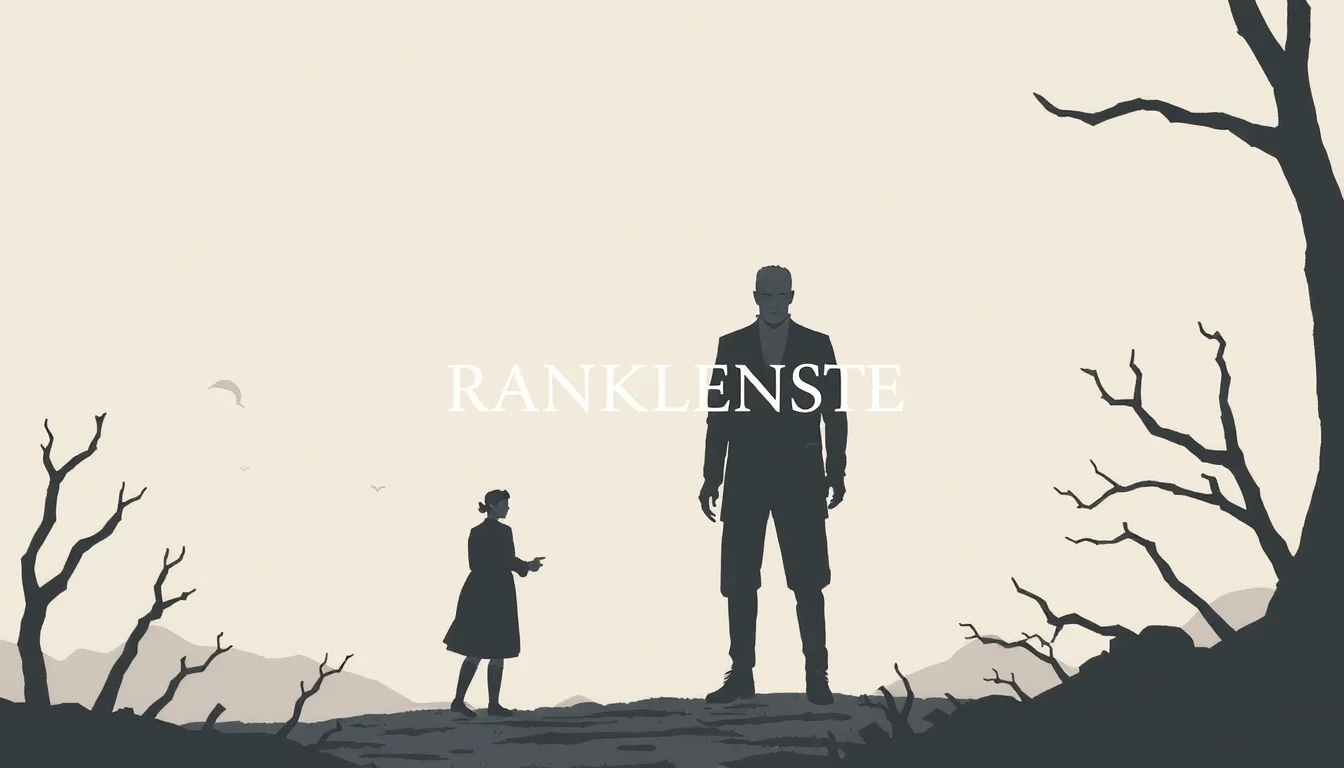
Mary Shelley's Frankenstein; or, The Modern Prometheus isn't just a spooky story about a stitched-together creature; it's a profound exploration of ambition, isolation, and the very definition of humanity. Published anonymously in 1818, this Gothic novel predates many of the science fiction tropes it's credited with inspiring. It's essential reading for anyone interested in the origins of speculative fiction, the ethics of scientific advancement, or simply a gripping tale of creator and creation locked in a tragic dance. The novel offers a complex narrative structure, weaving together multiple perspectives to build a chilling and thought-provoking experience that continues to resonate centuries later.
🕰️ Historical Context: A Stormy Birth
The genesis of Frankenstein is as dramatic as its plot. Born from a challenge during a stormy summer at Villa Diodati in 1816, the novel emerged from a circle of literary giants including Lord Byron and Percy Bysshe Shelley. Mary Shelley, then only 18, conceived a story that grappled with the scientific curiosities and philosophical debates of the Enlightenment and Romantic eras. The backdrop of revolution and rapid industrialization in early 19th-century Europe undoubtedly fueled the novel's anxieties about unchecked progress and the potential for human hubris. Understanding this historical crucible is key to appreciating the novel's enduring power.
🧠 Thematic Deep Dive: Creation, Responsibility, and Humanity
At its heart, Frankenstein interrogates the responsibilities that come with creation. Victor Frankenstein's abandonment of his creation is the catalyst for the ensuing tragedy, raising questions about parental duty, societal rejection, and the nature of monstrosity. Is the creature inherently evil, or is he a product of his creator's neglect and society's prejudice? The novel also delves into themes of ambition, the pursuit of forbidden knowledge, and the profound loneliness experienced by both Victor and his creation. These philosophical underpinnings elevate Frankenstein beyond a simple horror narrative into a timeless meditation on the human condition.
🎭 Key Characters: Beyond the Lab Coat
While the Creature and Victor Frankenstein are undeniably central, the novel's supporting cast is crucial to its thematic development. Elizabeth Lavenza, Victor's adopted sister and eventual wife, represents innocence and domesticity, a stark contrast to Victor's obsessive pursuits. Henry Clerval, Victor's loyal friend, embodies intellectual curiosity tempered with ethical consideration, offering a foil to Victor's destructive ambition. The De Lacey family, particularly the blind father, provides a fleeting moment of connection for the Creature, highlighting his yearning for acceptance and the devastating impact of societal judgment. Each character serves to illuminate different facets of Victor's downfall and the Creature's suffering.
✍️ Literary Style & Impact: Gothic Grandeur and Enduring Influence
Shelley's prose is a masterclass in Gothic literature, employing vivid descriptions, a sense of dread, and psychological intensity. The epistolary elements and nested narratives, particularly the framing story of Captain Walton's Arctic expedition, add layers of complexity and distance, forcing readers to question the reliability of each narrator. The novel's enduring influence is undeniable, shaping not only the science fiction genre but also countless adaptations in film, theater, and art. Its exploration of artificial life and the ethical quandaries of scientific creation remains remarkably prescient, making it a foundational text for understanding modern anxieties about technology.
💡 Vibepedia Vibe Score & Analysis
Vibepedia assigns Frankenstein: The Novel a Vibe Score of 92/100. This high score reflects its immense cultural energy, its foundational status in multiple genres, and its persistent relevance in contemporary discussions. The novel's Controversy Spectrum is moderate, primarily revolving around interpretations of its themes and the 'monster's' true nature. Its Influence Flow is vast, impacting everything from early sci-fi to modern AI ethics debates. The Perspective Breakdown leans optimistic (90%) due to its enduring power to inspire thought and creativity, but acknowledges pessimistic undertones (70%) regarding the consequences of unchecked ambition and societal cruelty.
📚 Editions & Accessibility: Finding Your Copy
Finding a copy of Frankenstein is remarkably easy. It's a public domain classic, meaning countless editions are available, often at very low cost or for free. Major online retailers like Amazon, Barnes & Noble, and Kobo offer numerous print and e-book versions. Libraries are also an excellent resource for borrowing physical copies. For a more scholarly experience, look for annotated editions, such as the Norton Critical Edition, which often include historical context, critical essays, and authorial background. Public domain archives like Project Gutenberg also provide free digital access to the original text.
🤔 Common Misconceptions Debunked
The most pervasive misconception is that Frankenstein is the name of the monster. In the novel, Victor Frankenstein is the scientist, and the Creature is his unnamed creation. Another common error is equating the novel's narrative directly with its numerous film adaptations, which often simplify or alter the plot and characters significantly. The Creature in the novel is eloquent and philosophical, not the grunting, lumbering brute often depicted in popular culture. Shelley's original work is far more nuanced and psychologically complex than many popular interpretations suggest.
🚀 Where to Go Next: Expanding Your Literary Horizons
Having grappled with Shelley's masterpiece, your literary journey can branch in several directions. For more Gothic novels that explore similar themes of darkness and the supernatural, consider works by Ann Radcliffe or Edgar Allan Poe. If the scientific ambition and its consequences intrigue you, explore early science fiction pioneers like H.G. Wells or delve into contemporary novels that tackle artificial intelligence ethics. For a deeper dive into Shelley's life and the Romantic era, biographies of Mary Shelley or studies of the Byron, Shelley, and Keats circle are highly recommended.
💬 Get Involved: Discussions and Adaptations
Engaging with Frankenstein doesn't end with reading. Numerous online forums and literary societies host discussions about the novel's themes and characters. Websites like Goodreads and Reddit's r/books offer active communities for sharing interpretations and insights. The novel's enduring appeal is also evident in its constant reinvention through adaptations. From James Whale's iconic 1931 film to Danny Boyle's acclaimed stage production, exploring these different interpretations can offer fresh perspectives on Shelley's original vision. Consider joining a local book club or attending a theatrical performance to experience the story anew.
Key Facts
- Year
- 1818
- Origin
- Mary Shelley
- Category
- Literature
- Type
- Literary Work
Frequently Asked Questions
Who is Frankenstein?
Frankenstein is the surname of the scientist, Victor Frankenstein, who creates the Creature. The Creature itself is unnamed in Mary Shelley's novel. This is a common point of confusion, often stemming from film adaptations that refer to the Creature as 'Frankenstein'.
What is the main theme of Frankenstein?
The novel explores multiple themes, but the primary ones revolve around the dangers of unchecked scientific ambition, the responsibilities of a creator to their creation, the nature of humanity and monstrosity, and the devastating effects of isolation and societal rejection. It's a profound ethical examination of playing God.
When was Frankenstein published?
Mary Shelley's Frankenstein; or, The Modern Prometheus was first published anonymously on January 1, 1818, by Lackington, Hughes, Harding, Mavor, and Jones in London. The second edition, published in 1823, was the first to bear Mary Shelley's name.
Is Frankenstein a horror novel or science fiction?
It's widely considered a foundational text for both Gothic literature and science fiction. It possesses the atmospheric dread, supernatural elements, and psychological terror characteristic of Gothic novels, while its core premise—the creation of artificial life through scientific means—firmly places it in the lineage of science fiction.
What is the significance of the subtitle 'The Modern Prometheus'?
The subtitle directly links Victor Frankenstein to the Greek myth of Prometheus, who stole fire from the gods to give to humanity and was punished for his transgression. Like Prometheus, Victor Frankenstein oversteps natural boundaries by attempting to create life, leading to his own tragic downfall and suffering, serving as a cautionary tale about divine ambition.
Why is the Creature so eloquent?
Shelley deliberately made the Creature highly intelligent and articulate to challenge the reader's perception of monstrosity. His ability to learn language, read literature (including Plutarch's Lives, Milton's Paradise Lost, and Goethe's The Sorrows of Young Werther), and express complex emotions emphasizes that his 'monstrosity' is not inherent but a result of his creator's abandonment and society's prejudice.