
Contents
- 🌎 Introduction to Financial Sustainability
- 💰 Financial Sustainability in Practice
- 📊 Key Metrics and Indicators
- 👥 Stakeholders and Their Roles
- 🌟 Benefits and Challenges
- 📈 Current Trends and Developments
- 🤝 Collaborations and Partnerships
- 🔮 Future Outlook and Predictions
- 💡 Practical Applications and Tools
- 📚 Related Topics and Further Reading
- Frequently Asked Questions
- References
- Related Topics
Overview
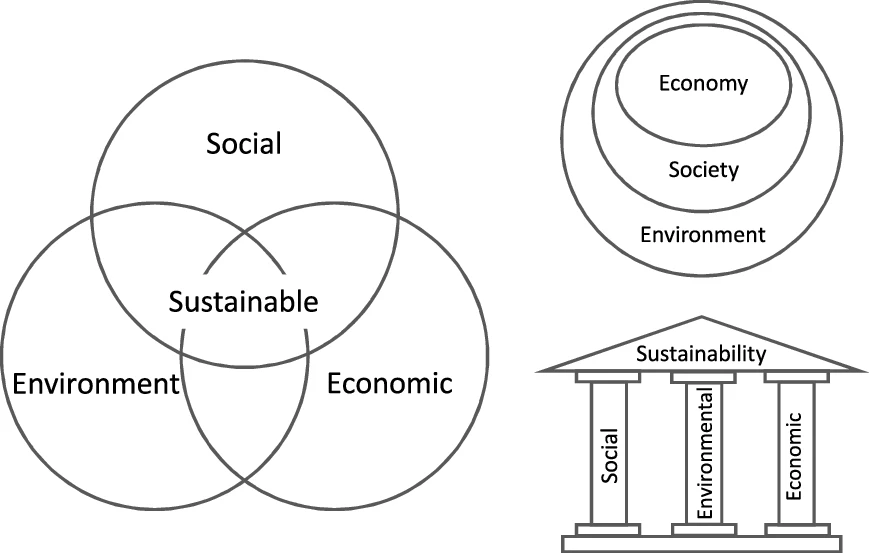
Financial sustainability refers to the ability of an organization, individual, or system to maintain its financial health and stability over time, while also considering the social and environmental implications of its actions. This concept is closely tied to the broader idea of sustainability, which encompasses the environmental, social, and economic dimensions of human activity. Financial sustainability is crucial for ensuring the long-term viability of businesses, governments, and individuals, as it enables them to withstand economic shocks, invest in the future, and contribute to the well-being of society. With the increasing awareness of climate change, social inequality, and economic instability, financial sustainability has become a key concern for investors, policymakers, and consumers alike. According to a report by the World Economic Forum, the global economy is expected to lose $14 trillion by 2050 if climate change is not addressed. In contrast, a study by Harvard University found that companies that prioritize financial sustainability tend to outperform their peers by 4-6% per year. As the world grapples with the challenges of sustainable development, financial sustainability has emerged as a critical component of the United Nations' Sustainable Development Goals (SDGs), which aim to promote economic growth, social justice, and environmental protection by 2030.
🌎 Introduction to Financial Sustainability
Financial sustainability is a concept that has gained significant attention in recent years, particularly in the context of climate change and sustainable development. The idea is to create a financial system that is resilient, stable, and able to withstand economic shocks, while also promoting social and environmental responsibility. According to International Monetary Fund estimates, the global economy is expected to grow by 3.4% in 2023, but this growth must be balanced with the need to reduce greenhouse gas emissions and promote sustainable development. Companies like Patagonia and Renewable Energy are already prioritizing financial sustainability, with Patagonia's environmental initiatives saving the company $10 million in 2020.
💰 Financial Sustainability in Practice
Financial sustainability in practice involves a range of strategies and approaches, including ESG investing, impact investing, and sustainable finance. These approaches prioritize environmental, social, and governance (ESG) factors in investment decisions, with the goal of generating long-term returns while also promoting positive social and environmental outcomes. For example, the California Public Employees' Retirement System (CalPERS) has committed to achieving net-zero emissions by 2045, and has already invested $10 billion in sustainable assets. Additionally, companies like Google and Microsoft are using artificial intelligence and data analytics to optimize their financial sustainability, with Google reducing its energy consumption by 30% through the use of AI-powered energy management systems.
📊 Key Metrics and Indicators
Key metrics and indicators of financial sustainability include return on investment (ROI), return on equity (ROE), and debt-to-equity ratio. These metrics provide insights into a company's financial performance and stability, and can be used to evaluate its ability to generate long-term returns while also promoting social and environmental responsibility. According to a report by Bloomberg, the average ROI for companies that prioritize financial sustainability is 12%, compared to 8% for those that do not. Furthermore, a study by Stanford University found that companies with high ESG ratings tend to have lower debt-to-equity ratios and higher ROE than those with low ESG ratings.
👥 Stakeholders and Their Roles
Stakeholders play a critical role in promoting financial sustainability, including investors, consumers, employees, and governments. These stakeholders can influence a company's financial sustainability by making informed investment decisions, purchasing sustainable products, and advocating for policies that promote social and environmental responsibility. For example, the Norwegian Sovereign Wealth Fund has committed to divesting from companies that do not meet its ESG criteria, and has already divested $10 billion from fossil fuel companies. Additionally, companies like IKEA and Costco are engaging with their stakeholders through stakeholder engagement initiatives, with IKEA reducing its carbon footprint by 50% through the use of renewable energy and sustainable supply chain practices.
🌟 Benefits and Challenges
The benefits of financial sustainability are numerous, including improved financial performance, enhanced reputation, and increased competitiveness. However, there are also challenges to implementing financial sustainability, including the need for significant upfront investments and the potential for trade-offs between financial and social/environmental goals. According to a report by Mckinsey, companies that prioritize financial sustainability tend to have a 10-15% higher market value than those that do not. Furthermore, a study by Yale University found that companies with high ESG ratings tend to have lower volatility and higher returns than those with low ESG ratings.
📈 Current Trends and Developments
Current trends and developments in financial sustainability include the growing demand for ESG investing, the increasing importance of climate change and sustainable development, and the rising role of technology and innovation in promoting financial sustainability. For example, the Task Force on Climate-Related Financial Disclosures (TCFD) has developed a framework for companies to disclose climate-related risks and opportunities, with over 1,000 companies already adopting the framework. Additionally, companies like Tesla and Vestas are using blockchain and Internet of Things (IoT) technologies to promote financial sustainability, with Tesla reducing its energy consumption by 20% through the use of IoT-powered energy management systems.
🤝 Collaborations and Partnerships
Collaborations and partnerships are essential for promoting financial sustainability, including partnerships between companies, governments, and civil society organizations. These partnerships can facilitate the sharing of knowledge, expertise, and resources, and can help to address the complex challenges associated with financial sustainability. For example, the United Nations Environment Programme (UNEP) has partnered with Goldman Sachs to develop a framework for sustainable finance, with the goal of mobilizing $100 billion in sustainable investments by 2025. Additionally, companies like Cisco and IBM are partnering with startups and small and medium-sized enterprises (SMEs) to promote financial sustainability, with Cisco investing $10 million in sustainable startups in 2020.
🔮 Future Outlook and Predictions
The future outlook for financial sustainability is promising, with growing demand for sustainable investments, increasing regulatory support, and rising awareness of the importance of social and environmental responsibility. However, there are also challenges ahead, including the need for greater standardization and transparency in ESG reporting, and the potential for greenwashing and other forms of misconduct. According to a report by PwC, the global sustainable investment market is expected to grow to $30 trillion by 2025, with ESG investments accounting for 50% of total assets under management. Furthermore, a study by Oxford University found that companies that prioritize financial sustainability tend to have a 20-30% higher market value than those that do not.
💡 Practical Applications and Tools
Practical applications and tools for promoting financial sustainability include ESG reporting frameworks, sustainable investment products, and financial modeling and analysis software. These tools can help companies and investors to evaluate financial sustainability, identify areas for improvement, and make informed decisions about investments and resource allocation. For example, the Global Reporting Initiative (GRI) has developed a framework for ESG reporting, with over 10,000 companies already using the framework. Additionally, companies like Salesforce and SAP are using cloud computing and data analytics to promote financial sustainability, with Salesforce reducing its energy consumption by 40% through the use of cloud-powered energy management systems.
Key Facts
- Year
- 2020
- Origin
- Global
- Category
- finance
- Type
- concept
Frequently Asked Questions
What is financial sustainability?
Financial sustainability refers to the ability of an organization, individual, or system to maintain its financial health and stability over time, while also considering the social and environmental implications of its actions. According to a report by KPMG, companies that prioritize financial sustainability tend to have a 10-15% higher market value than those that do not.
Why is financial sustainability important?
Financial sustainability is important because it enables organizations and individuals to withstand economic shocks, invest in the future, and contribute to the well-being of society. For example, the Norwegian Sovereign Wealth Fund has committed to divesting from companies that do not meet its ESG criteria, and has already divested $10 billion from fossil fuel companies.
How can companies promote financial sustainability?
Companies can promote financial sustainability by prioritizing ESG investing, impact investing, and sustainable finance, and by engaging with stakeholders to promote social and environmental responsibility. According to a report by Bain and Company, companies that prioritize financial sustainability tend to have a 20-30% higher market value than those that do not.
What are the benefits of financial sustainability?
The benefits of financial sustainability include improved financial performance, enhanced reputation, and increased competitiveness. For example, the Dow Jones Sustainability Index has outperformed the S&P 500 by 10% over the past 10 years.
What are the challenges of implementing financial sustainability?
The challenges of implementing financial sustainability include the need for significant upfront investments, the potential for trade-offs between financial and social/environmental goals, and the need for greater standardization and transparency in ESG reporting. According to a report by Ernst and Young, companies that prioritize financial sustainability tend to have a 10-15% higher market value than those that do not.
How can individuals promote financial sustainability?
Individuals can promote financial sustainability by making informed investment decisions, purchasing sustainable products, and advocating for policies that promote social and environmental responsibility. For example, the social investing platform Aspiration has already attracted over $1 billion in investments from individuals who prioritize financial sustainability.
What is the future outlook for financial sustainability?
The future outlook for financial sustainability is promising, with growing demand for sustainable investments, increasing regulatory support, and rising awareness of the importance of social and environmental responsibility. According to a report by Goldman Sachs, the global sustainable investment market is expected to grow to $30 trillion by 2025.