
Contents
Overview
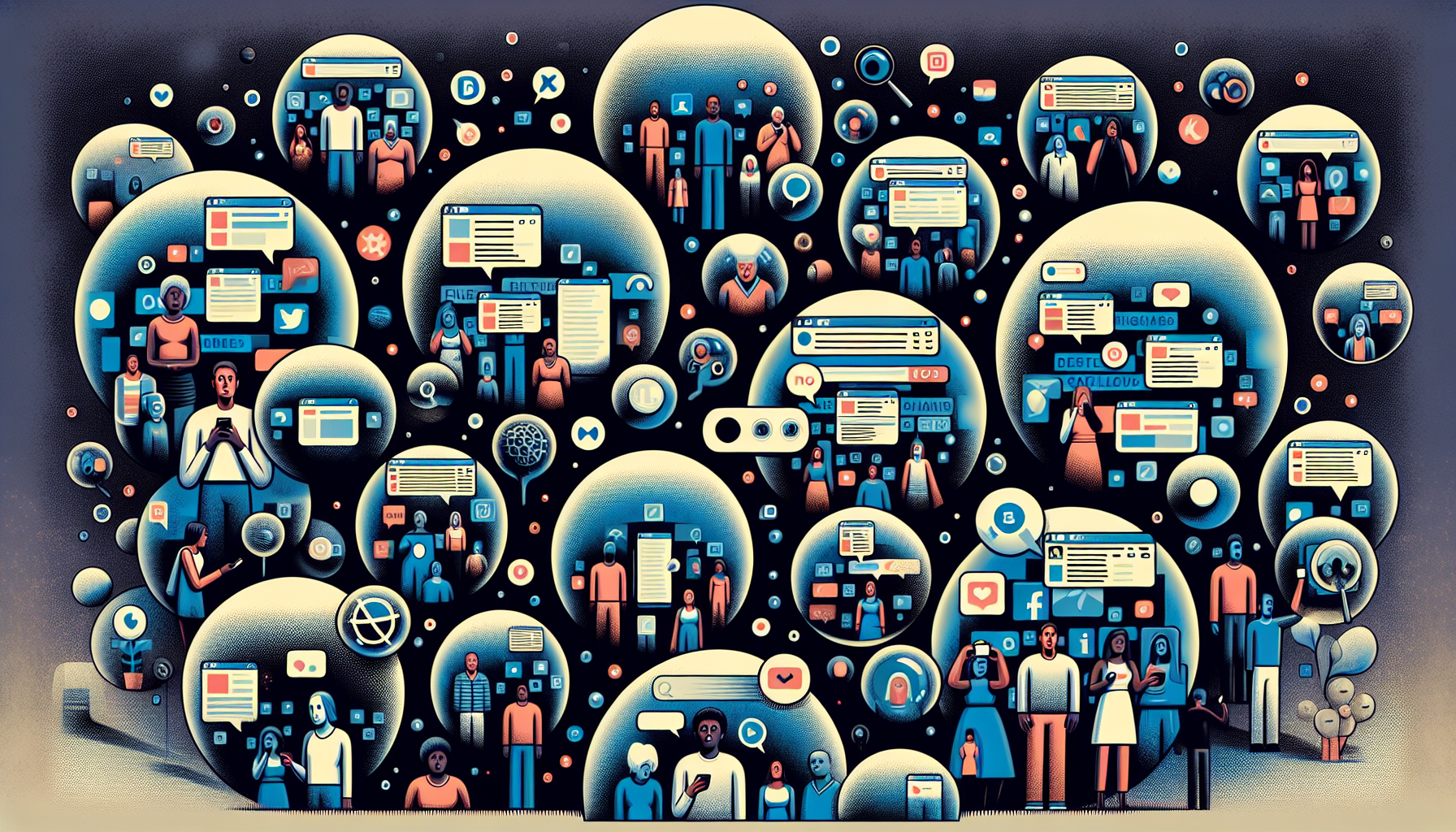
The concept of filter bubbles was first introduced by Eli Pariser in his 2011 book 'The Filter Bubble: What the Internet is Hiding from You'. Pariser, a former director of MoveOn.org, argued that personalized online experiences created by algorithms like Google's PageRank and Facebook's News Feed were limiting the range of information people were exposed to. This was further exacerbated by the rise of social media platforms like Twitter, where users can curate their own feeds and engage with like-minded individuals. As noted by Cass Sunstein, a professor at Harvard Law School, this can lead to a lack of diversity in the information people consume, making it more difficult for them to engage with opposing viewpoints. Companies like Apple and Amazon have also been criticized for their role in perpetuating filter bubbles through their recommendation algorithms.
📊 How Algorithms Create Echo Chambers
The algorithms used by social media platforms are designed to prioritize content that is likely to engage users, often based on their past interactions and preferences. This can create an echo chamber effect, where users are only exposed to information that reinforces their existing views. For example, a study by the Pew Research Center found that 64% of adults in the US believe that social media platforms have a significant impact on the way people consume news. The study also found that 47% of adults believe that social media platforms are responsible for creating 'filter bubbles' that limit the range of information people are exposed to. Experts like Tim Berners-Lee, the inventor of the World Wide Web, have called for greater transparency and accountability in the development of these algorithms, citing the need for more diverse and representative online experiences. Companies like Reddit and Wikipedia have also been working to address the issue through initiatives like community moderation and fact-checking.
🌟 The Impact on Democracy and Civic Discourse
The impact of filter bubbles and echo chambers on democracy and civic discourse is a major concern. When individuals are only exposed to information that reinforces their existing views, they are less likely to engage with opposing viewpoints and more likely to become polarized. This can lead to a breakdown in civic discourse and a lack of understanding between different groups. For example, a study by the Knight Foundation found that 70% of adults in the US believe that social media platforms have a significant impact on the way people engage with politics. The study also found that 60% of adults believe that social media platforms are responsible for creating 'echo chambers' that limit the range of information people are exposed to. Experts like Noam Chomsky and Naomi Klein have written extensively on the topic, highlighting the need for greater media literacy and critical thinking in the digital age. Companies like Google and Facebook have also been working to address the issue through initiatives like media literacy programs and fact-checking partnerships with organizations like Snopes and FactCheck.org.
🔍 Breaking Down Filter Bubbles and Echo Chambers
Breaking down filter bubbles and echo chambers requires a multifaceted approach. One strategy is to promote media literacy and critical thinking, encouraging individuals to seek out diverse sources of information and engage with opposing viewpoints. This can be achieved through education and outreach programs, as well as initiatives like fact-checking and community moderation. Another strategy is to design algorithms that prioritize diversity and representation, rather than simply prioritizing engagement. For example, companies like Twitter and Facebook have been working to develop algorithms that promote more diverse and representative content, citing the need for greater transparency and accountability in the development of these algorithms. Experts like Jaron Lanier and Douglas Rushkoff have also called for a more nuanced approach to online discourse, one that prioritizes human interaction and community engagement over algorithmic manipulation. Companies like Discord and Slack have also been working to address the issue through initiatives like community building and social responsibility programs.
Key Facts
- Year
- 2011
- Origin
- United States
- Category
- technology
- Type
- concept
Frequently Asked Questions
What is a filter bubble?
A filter bubble refers to the phenomenon where individuals are exposed to a limited range of information and perspectives online, often reinforcing their existing views and shielding them from opposing opinions.
How do algorithms create echo chambers?
Algorithms used by social media platforms prioritize content that is likely to engage users, often based on their past interactions and preferences. This can create an echo chamber effect, where users are only exposed to information that reinforces their existing views.
What is the impact of filter bubbles on democracy?
Filter bubbles can lead to a breakdown in civic discourse and a lack of understanding between different groups, potentially undermining democracy. Experts like Noam Chomsky and Naomi Klein have written extensively on the topic, highlighting the need for greater media literacy and critical thinking in the digital age.
How can we break down filter bubbles and echo chambers?
Breaking down filter bubbles and echo chambers requires a multifaceted approach, including promoting media literacy and critical thinking, designing algorithms that prioritize diversity and representation, and encouraging individuals to seek out diverse sources of information and engage with opposing viewpoints.
What role do social media platforms play in perpetuating filter bubbles?
Social media platforms like Facebook, Twitter, and Google play a significant role in perpetuating filter bubbles, as their algorithms prioritize content that is likely to engage users. However, these platforms are also working to address the issue through initiatives like fact-checking and media literacy programs.