
Contents
Overview
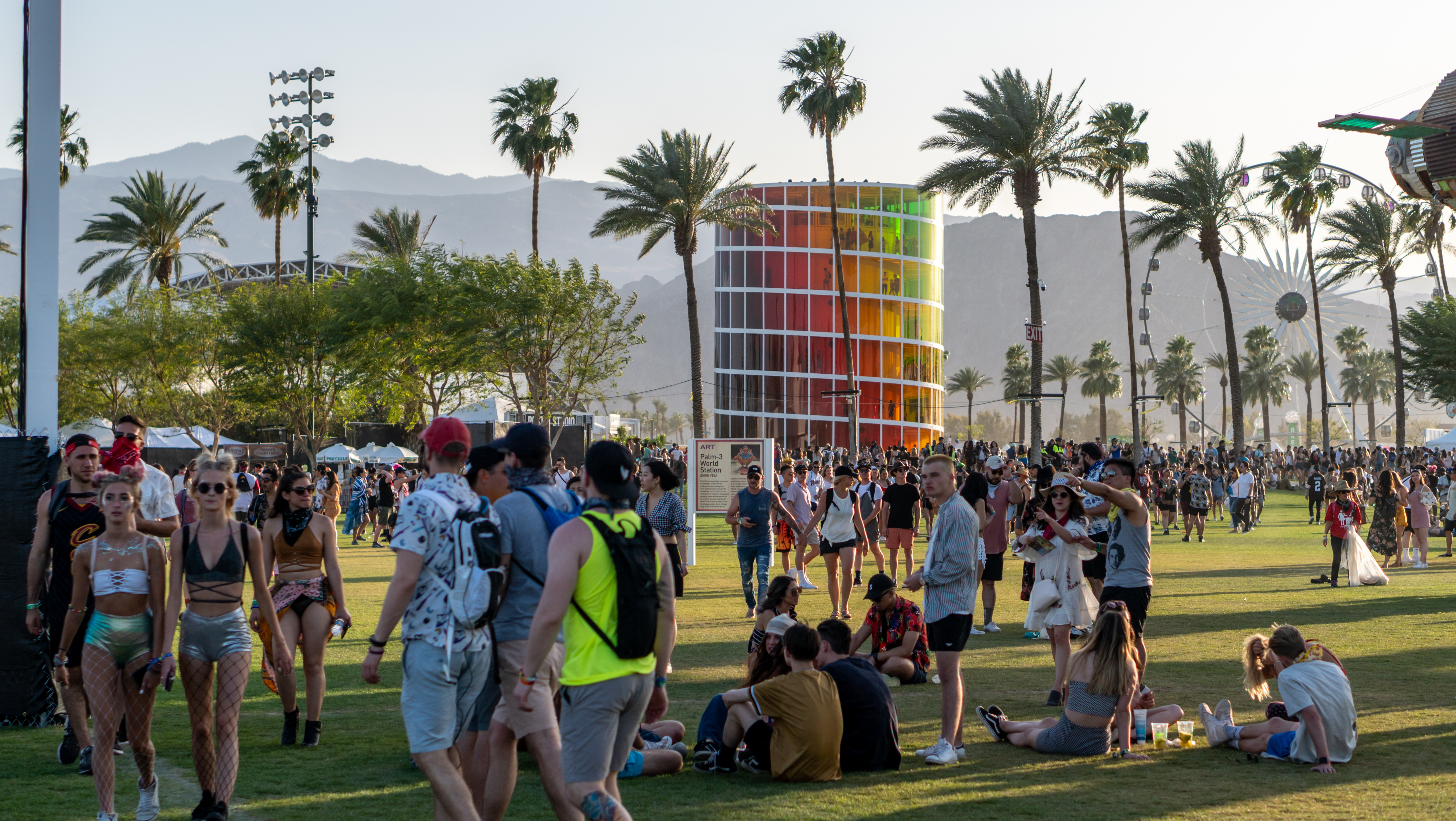
Festival revenue encompasses the vast and diverse income streams generated by music and arts festivals worldwide, including ticket sales, sponsorships, merchandise, and food and beverage sales. Festivals like Coachella, Tomorrowland, and Glastonbury have become significant events, supporting local economies and creating jobs. The rise of festivals has also led to increased competition for talent, with top artists commanding high performance fees, and the growth of secondary markets for tickets and merchandise. As the festival industry continues to evolve, organizers are exploring new revenue streams, such as virtual festivals and experiential marketing, to stay ahead of the curve. The future of festival revenue will be shaped by technological advancements, changing consumer behaviors, and the increasing importance of sustainability and social responsibility in the festival industry.
🎵 Origins & History
The concept of festival revenue has evolved over time, with festivals like Woodstock and Isle of Wight drawing large crowds and generating income from ticket sales and merchandise. However, the industry has become more complex, with the rise of festivals like Coachella and Glastonbury. The success of these festivals has been driven by the vision of their organizers, who have established the events as major players in the festival landscape.
⚙️ How It Works
Festival revenue is generated through a variety of channels, including ticket sales, sponsorships, merchandise, and food and beverage sales. Ticket sales are a primary source of revenue for most festivals, with prices ranging from a few hundred to several thousand dollars per ticket. Sponsorships are another key revenue stream, with brands paying to associate themselves with popular festivals.
📊 Key Facts & Numbers
The festival industry is a dynamic sector, with the rise of festivals leading to increased competition for talent, and the growth of secondary markets for tickets and merchandise. Festivals have become an important platform for artistic expression, with many events featuring large-scale art installations and sculptures. However, the industry has also faced criticism for its environmental impact, with many events generating significant amounts of waste and carbon emissions. In response, many festivals have begun to prioritize sustainability, with initiatives like recycling programs and carbon offsetting becoming increasingly common.
👥 Key People & Organizations
Key people and organizations in the festival industry have played a significant role in shaping the festival landscape. These individuals and companies have been instrumental in driving the evolution of the industry, with new events and initiatives emerging all the time.
🌍 Cultural Impact & Influence
The cultural impact of festivals cannot be overstated, with events like Coachella and Glastonbury becoming an integral part of popular culture. Festivals have also become a platform for artistic expression, with many events featuring large-scale art installations and sculptures. The growth of secondary markets for tickets and merchandise has also led to new opportunities for fans to engage with their favorite festivals.
⚡ Current State & Latest Developments
The current state of the festival industry is one of growth and evolution, with new revenue streams and technologies emerging all the time. The rise of virtual festivals, for example, has opened up new opportunities for festival organizers to reach wider audiences and generate additional revenue. However, the industry has also faced challenges, including increased competition for talent and rising production costs. Despite these challenges, the festival industry remains a vibrant and dynamic sector, with new events and initiatives emerging all the time.
🤔 Controversies & Debates
The festival industry has also faced controversy and debate, with issues like ticket pricing, artist compensation, and environmental impact generating significant discussion and criticism. However, the industry has also made significant strides in recent years, with many festivals prioritizing diversity and inclusivity and implementing initiatives to reduce their environmental impact.
🔮 Future Outlook & Predictions
The future of festival revenue is likely to be shaped by technological advancements, changing consumer behaviors, and the increasing importance of sustainability and social responsibility in the festival industry. The growth of virtual festivals is likely to continue, with many organizers exploring new ways to create immersive and engaging online experiences for fans. The industry is also likely to see increased investment in sustainability initiatives, such as renewable energy and waste reduction programs, as festivals seek to minimize their environmental impact and appeal to increasingly environmentally conscious consumers.
💡 Practical Applications
The practical applications of festival revenue are numerous, with festivals generating income for local economies and supporting a wide range of businesses and industries. Festivals also provide a platform for artistic expression and creativity, with many events featuring large-scale art installations and sculptures. The festival industry has also created new opportunities for entrepreneurs and small business owners, with many festivals featuring local vendors and artisans.
Key Facts
- Category
- culture
- Type
- concept