
Contents
Overview
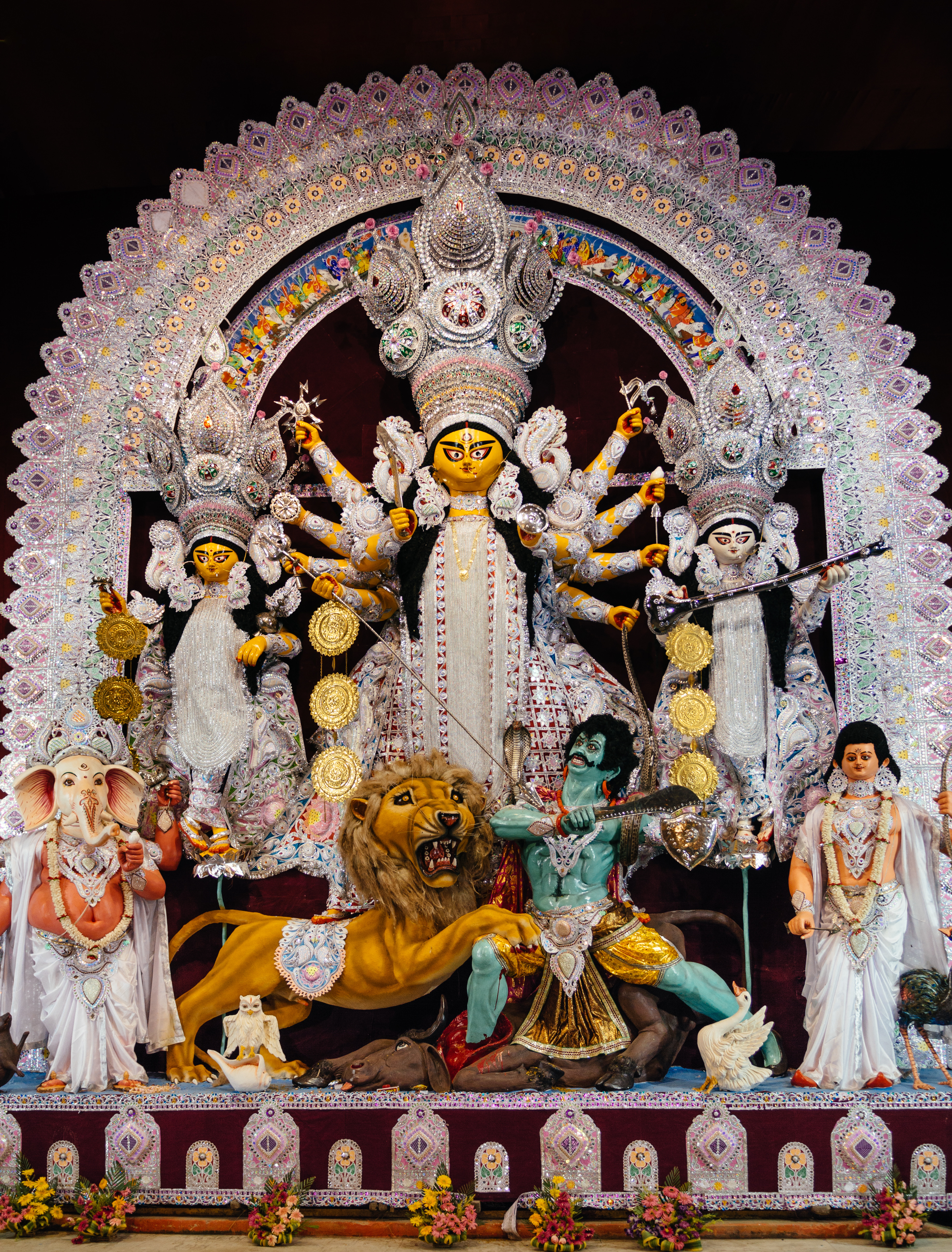
The practice of festival puja is deeply embedded in the millennia-old traditions of Hinduism, with its roots tracing back to Vedic rituals described in ancient texts like the Rigveda and Atharvaveda. Early Vedic ceremonies often involved fire sacrifices (Yajnas) and chanting, evolving over centuries to incorporate elaborate idol worship and community celebrations. The specific festivals and their associated pujas, such as Durga Puja celebrating the goddess Durga's victory over Mahishasura, or Diwali marking Rama's return, became prominent as detailed in texts like the Devi Mahatmyam. The Bengali festival of Durga Puja, in particular, has a documented history stretching back centuries, with its public, grand-scale manifestations gaining significant traction from the Mughal era and flourishing during the British Raj as a symbol of Bengali identity. The 2021 inscription of 'Durga Puja in Kolkata' on the UNESCO Intangible Cultural Heritage list by the UNESCO highlights its enduring cultural significance.
⚙️ How It Works
A festival puja is a structured, multi-day ritual that typically involves specific invocations, offerings, and recitations. It begins with the installation of the deity's idol or a symbolic representation, often accompanied by the chanting of mantras and Sanskrit hymns by Brahmin priests. Key rituals include the Prana Pratishtha (infusing life into the idol), Sandhya Arati (evening worship), and specific offerings of flowers, fruits, sweets, and sometimes even symbolic sacrifices. The climax often involves a grand Visarjan ceremony, where the idol is immersed in water, symbolizing the deity's return to her celestial abode. Beyond the religious rites, these festivals are characterized by communal feasting, music, dance performances, and the vibrant decoration of public spaces with temporary structures known as pandals, creating an immersive sensory experience for attendees.
📊 Key Facts & Numbers
The scale of festival pujas is immense, with millions participating globally. These festivals are not just spiritual events but significant economic drivers, particularly in South Asia.
👥 Key People & Organizations
While no single founder can be attributed to the concept of festival puja, its practice is deeply intertwined with the teachings of ancient Hindu sages and the narratives within Hindu scriptures. Key organizations that facilitate and preserve these traditions include the Ramakrishna Mission, which organizes large-scale public pujas and cultural programs globally, and numerous local Hindu temples and community associations that manage neighborhood celebrations. The role of Brahmin priests is central, as they perform the complex rituals and guide the devotees through the spiritual process. The Ministry of Culture often provides support.
🌍 Cultural Impact & Influence
Festival pujas have profoundly shaped the cultural landscape of South Asia and its diaspora. They serve as crucial anchors for cultural identity, particularly for communities like the Bengali people during Durga Puja, fostering a sense of collective belonging and shared heritage. The artistic expressions associated with these festivals, from intricate idol-making and Alpana (floor art) to traditional music and dance forms like Kathak and Bharatanatyam, have influenced broader artistic movements. The culinary traditions associated with each festival, such as the elaborate feasts during Durga Puja or the sweet delicacies during Diwali, are integral to the celebration and have become iconic elements of South Asian cuisine. The global spread of these festivals, facilitated by migration, has introduced these vibrant cultural practices to new audiences worldwide, enriching multicultural societies.
⚡ Current State & Latest Developments
In the contemporary era, festival pujas are adapting to modern challenges and opportunities. There's a growing trend towards eco-friendly pujas, with an emphasis on biodegradable idols and responsible waste management, driven by environmental consciousness and regulations. Furthermore, the commercialization of festivals continues, with brands increasingly integrating their marketing efforts into the festive season, leading to debates about authenticity versus consumerism.
🤔 Controversies & Debates
The commercialization of festival pujas is a persistent point of contention. Critics argue that the increasing focus on elaborate pandals, expensive decorations, and competitive awards for the 'best puja' detracts from the spiritual essence, turning sacred observances into spectacles. The immense expenditure on temporary structures and decorations, sometimes running into millions of dollars for a single festival, also raises questions about resource allocation, especially in light of pressing social issues. Another debate revolves around the inclusivity of these festivals; while intended for all, access and participation can sometimes be limited by socio-economic factors or the dominance of certain community groups. The environmental impact of mass gatherings, idol immersion, and waste generation remains a significant concern, prompting calls for more sustainable practices.
🔮 Future Outlook & Predictions
The future of festival pujas likely involves a continued negotiation between tradition and modernity. We can anticipate further integration of technology, with augmented reality experiences in pandals or advanced virtual reality darshan becoming more common. The push for sustainability is expected to intensify, potentially leading to widespread adoption of eco-friendly materials and waste management protocols, possibly mandated by local governments. The global diaspora's role will also grow, with festival pujas becoming even more significant in maintaining cultural connections for younger generations living abroad, potentially leading to unique hybrid celebrations. There's also a possibility of increased inter-faith dialogue and collaboration during these festive periods, fostering greater social harmony, though the commercial pressures will undoubtedly persist.
💡 Practical Applications
Festival pujas offer numerous practical applications beyond their religious significance. They serve as powerful platforms for community mobilization and social engagement, bringing people together for a common purpose, as seen in the volunteer efforts during Durga Puja in Kolkata. The artistic and craft industries associated with idol making, decoration, and costume design provide significant employment and economic opportunities, particularly for artisans in regions like Murshidabad and [[Kumortul
Key Facts
- Category
- culture
- Type
- topic