
Contents
- 🎓 Origins & History
- ⚖️ Challenges & Inequalities
- 📊 Key Facts & Statistics
- 👩🎓 Key People & Organizations
- 🌎 Cultural Impact & Influence
- ⚡ Current State & Latest Developments
- 🤝 Controversies & Debates
- 🔮 Future Outlook & Predictions
- 📚 Practical Applications & Initiatives
- 👫 Related Topics & Deeper Reading
- Frequently Asked Questions
- References
- Related Topics
Overview
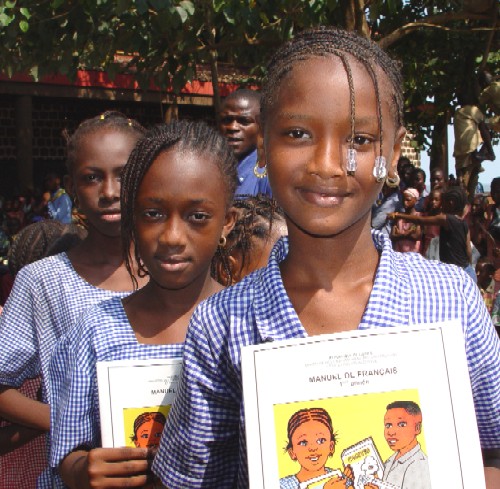
Female education refers to the complex set of issues and debates surrounding education for girls and women, encompassing primary, secondary, tertiary, and health education. It is a crucial aspect of gender equality and access to education, playing a significant role in the alleviation of poverty. According to the United Nations, 132 million girls are out of school worldwide, with Malala Yousafzai being a prominent advocate for girls' education. The education of women and girls is essential for their economic empowerment, with studies showing that every dollar invested in girls' education generates a return of $3 in economic growth. Despite progress, inequalities in education for girls and women persist, including explicit barriers such as violence against women and prohibitions on girls attending school, as well as systemic disparities in STEM education. For instance, in the United States, women hold only 25% of STEM jobs, highlighting the need for targeted initiatives to address these disparities. Organizations like Girls Who Code and The Girls Education Initiative are working to bridge the gap, providing girls with access to quality education and career opportunities.
🎓 Origins & History
The history of female education dates back to ancient civilizations, with evidence of women's education in ancient Greece and Roman Empire. However, it wasn't until the 19th century that the modern feminist movement, led by figures like Emily Davison and Susan B. Anthony, began to advocate for women's right to education. Today, organizations like UNICEF and The Global Partnership for Girls' and Women's Education work to promote girls' education worldwide, with a focus on countries like Afghanistan and Pakistan, where girls' education is often restricted.
⚖️ Challenges & Inequalities
The challenges facing female education are multifaceted, ranging from explicit barriers like violence against women and prohibitions on girls attending school, to systemic disparities in STEM education. For example, in some Western countries, women are underrepresented in STEM fields, with only 25% of STEM jobs held by women. Initiatives like Code Like a Girl and Women in Tech aim to address these disparities, providing girls and women with access to coding education and career opportunities.
📊 Key Facts & Statistics
Key statistics highlight the significance of female education, with every dollar invested in girls' education generating a return of $3 in economic growth. According to the World Bank, if all girls in developing countries completed secondary education, the impact on poverty reduction would be significant, with an estimated 12% reduction in poverty. Furthermore, educated women are more likely to participate in the workforce, with a study by McKinsey finding that companies with a higher proportion of female employees tend to perform better financially.
👩🎓 Key People & Organizations
Key people and organizations are instrumental in promoting female education, including Malala Yousafzai, who survived a Taliban assassination attempt and continues to advocate for girls' education. Organizations like Girls Who Code and The Girls Education Initiative provide girls with access to quality education and career opportunities, while companies like Google and Microsoft offer scholarships and training programs for women in STEM fields.
🌎 Cultural Impact & Influence
The cultural impact of female education is profound, with educated women more likely to participate in the workforce and contribute to their communities. For example, in India, the Self-Employed Women's Association (SEWA) has empowered thousands of women through education and economic opportunities. Furthermore, educated women are more likely to delay marriage and childbirth, leading to a reduction in population growth and an increase in economic development.
⚡ Current State & Latest Developments
The current state of female education is marked by progress and challenges, with 132 million girls out of school worldwide. Despite this, initiatives like The Global Partnership for Girls' and Women's Education and UNICEF's Girls' Education Initiative are working to address these disparities. For instance, in Nigeria, the Girls' Education Project has increased girls' enrollment in school by 25%.
🤝 Controversies & Debates
Controversies and debates surrounding female education include the role of single-sex education, with some arguing that it provides a more supportive environment for girls, while others argue that it perpetuates segregation. Additionally, the impact of religion on female education is a topic of debate, with some arguing that it restricts girls' access to education, while others argue that it provides a sense of community and identity.
🔮 Future Outlook & Predictions
The future outlook for female education is promising, with initiatives like The Girls Education Initiative and UNICEF's Girls' Education Initiative working to promote girls' education worldwide. According to a report by The World Bank, if all girls in developing countries completed secondary education, the impact on poverty reduction would be significant, with an estimated 12% reduction in poverty.
📚 Practical Applications & Initiatives
Practical applications and initiatives to promote female education include scholarships, mentorship programs, and coding education. For example, Girls Who Code offers a range of programs, including summer immersion programs and after-school clubs, to provide girls with access to coding education and career opportunities.
Key Facts
- Year
- 2012
- Origin
- Global
- Category
- culture
- Type
- concept
Frequently Asked Questions
What is the current state of female education worldwide?
According to the United Nations, 132 million girls are out of school worldwide, with significant disparities in STEM education. However, initiatives like The Global Partnership for Girls' and Women's Education and UNICEF's Girls' Education Initiative are working to address these disparities.
What are the benefits of female education?
Female education has numerous benefits, including economic empowerment, improved health outcomes, and increased participation in the workforce. According to a study by McKinsey, companies with a higher proportion of female employees tend to perform better financially.
What are the challenges facing female education?
The challenges facing female education are multifaceted, ranging from explicit barriers like violence against women and prohibitions on girls attending school, to systemic disparities in STEM education. For example, in some Western countries, women are underrepresented in STEM fields, with only 25% of STEM jobs held by women.
What initiatives are working to promote female education?
Initiatives like Girls Who Code and The Girls Education Initiative are working to promote female education, providing girls with access to quality education and career opportunities. Additionally, organizations like UNICEF and The Global Partnership for Girls' and Women's Education are advocating for girls' education worldwide.
What is the role of single-sex education in promoting girls' education?
The role of single-sex education in promoting girls' education is a topic of debate, with some arguing that it provides a more supportive environment for girls, while others argue that it perpetuates segregation. For example, The National Coalition of Girls' Schools argues that single-sex education provides girls with a more focused and supportive learning environment.
What is the impact of religion on female education?
The impact of religion on female education is complex, with some arguing that it restricts girls' access to education, while others argue that it provides a sense of community and identity. For example, in some countries, Islamic schools provide girls with access to education, while in others, Islamic law restricts girls' access to education.
What are the future prospects for female education?
The future prospects for female education are promising, with initiatives like The Girls Education Initiative and UNICEF's Girls' Education Initiative working to promote girls' education worldwide. According to a report by The World Bank, if all girls in developing countries completed secondary education, the impact on poverty reduction would be significant, with an estimated 12% reduction in poverty.