
Contents
Overview
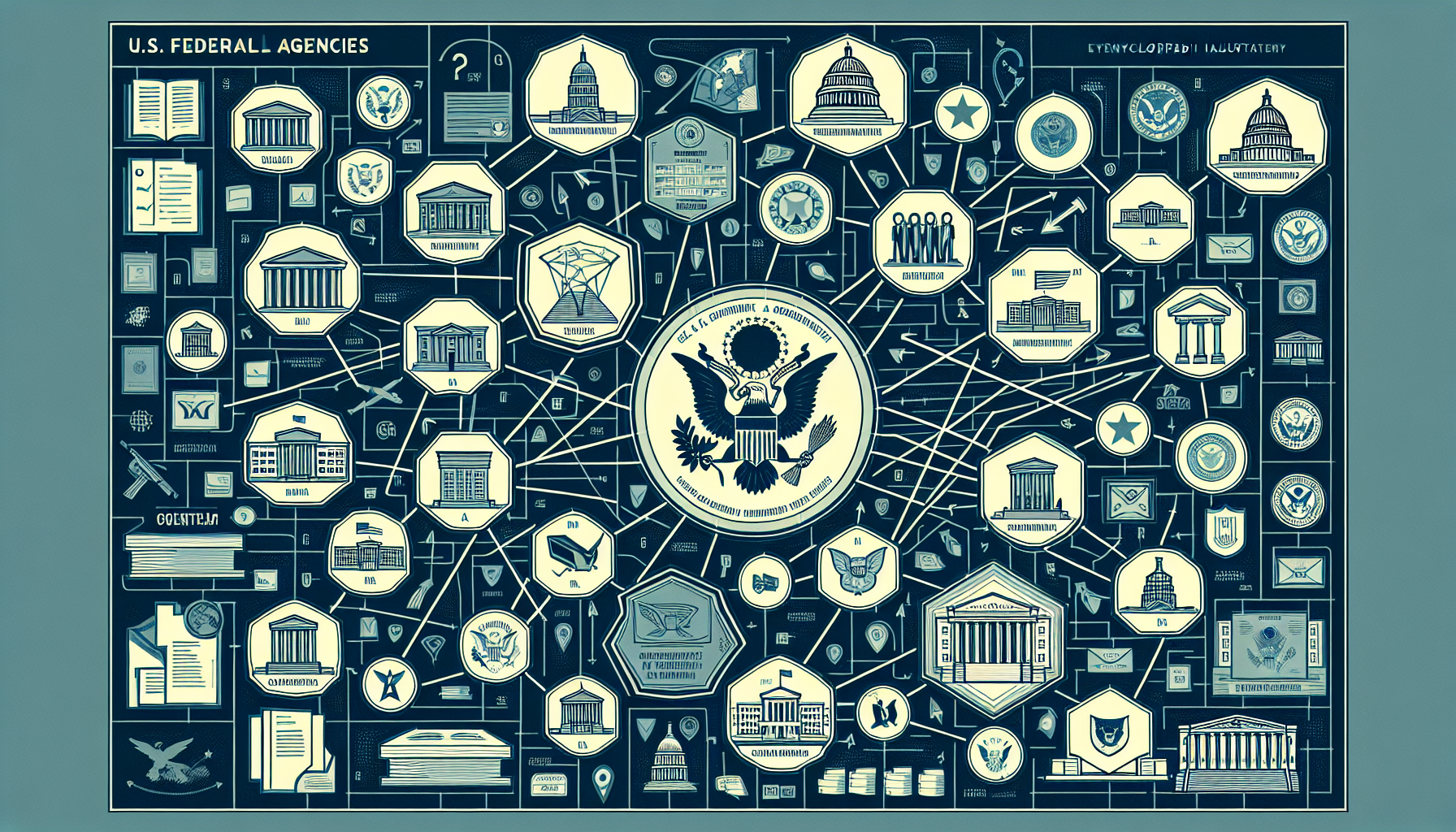
The US federal government is composed of numerous agencies, each responsible for a specific area of policy or service. The Department of State, led by the Secretary of State, is responsible for international relations, while the Department of Education, headed by the Secretary of Education, focuses on education policy. Other notable agencies include the Federal Bureau of Investigation (FBI), the National Aeronautics and Space Administration (NASA), and the Centers for Disease Control and Prevention (CDC). As noted by experts like Francis Fukuyama and Joseph Nye, the effectiveness of federal agencies is crucial to the overall functioning of the government. The Heritage Foundation and the Cato Institute have also provided significant research on the topic.
📈 Types of Federal Agencies
There are several types of federal agencies, including executive departments, independent agencies, and regulatory commissions. Executive departments, such as the Department of Justice and the Department of Labor, are headed by cabinet members and are responsible for implementing policies and providing services. Independent agencies, like the Federal Reserve and the Securities and Exchange Commission, operate independently of the executive branch and are responsible for regulating specific areas of the economy. Regulatory commissions, including the Federal Communications Commission (FCC) and the Federal Trade Commission (FTC), are responsible for overseeing and regulating industries. As discussed by scholars like James Q. Wilson and Graham Allison, the different types of federal agencies have distinct characteristics and roles. The American Bar Association and the National Academy of Public Administration have also provided valuable insights on the topic.
🌎 Impact of Federal Agencies
Federal agencies have a significant impact on the daily lives of citizens, from providing essential services like healthcare and education to regulating industries and enforcing laws. The Department of Homeland Security, established in response to the 9/11 attacks, is responsible for protecting the country from terrorist threats and natural disasters. The Environmental Protection Agency (EPA), created in 1970, is tasked with protecting the environment and public health. Other agencies, like the Social Security Administration and the Department of Veterans Affairs, provide critical services to vulnerable populations. As noted by experts like Paul Light and Donald Kettl, the effectiveness of federal agencies is crucial to the overall well-being of citizens. The Urban Institute and the Center for American Progress have also conducted significant research on the topic.
🔍 Oversight and Reform
Federal agencies are subject to oversight and reform efforts, aimed at improving their efficiency and effectiveness. The Congressional Budget Office (CBO) and the Government Accountability Office (GAO) provide critical oversight of federal agencies, identifying areas for improvement and providing recommendations for reform. The Office of Management and Budget (OMB) and the Office of Personnel Management (OPM) also play key roles in overseeing and managing federal agencies. As discussed by scholars like Alasdair Roberts and David Rosenbloom, the oversight and reform of federal agencies are essential to ensuring accountability and transparency. The National Association of Schools of Public Affairs and Administration and the American Society for Public Administration have also provided valuable insights on the topic.
Key Facts
- Year
- 1789
- Origin
- United States
- Category
- history
- Type
- organization
Frequently Asked Questions
What is the purpose of federal agencies?
Federal agencies are responsible for implementing policies and providing essential services to citizens.
How many federal agencies are there?
There are over 400 federal agencies in the US government.
What is the difference between executive departments and independent agencies?
Executive departments are headed by cabinet members and are responsible for implementing policies, while independent agencies operate independently of the executive branch and are responsible for regulating specific areas of the economy.
How are federal agencies overseen and reformed?
Federal agencies are subject to oversight by the Congressional Budget Office and the Government Accountability Office, and are reformed through efforts by the Office of Management and Budget and the Office of Personnel Management.
What is the role of the Office of Management and Budget in overseeing federal agencies?
The Office of Management and Budget provides critical oversight of federal agencies, identifying areas for improvement and providing recommendations for reform.