
Contents
- 🎨 Origins & History
- ⚙️ Artistic Interpretations
- 📊 Key Facts & Numbers
- 👥 Key People & Organizations
- 🌍 Cultural Impact & Influence
- ⚡ Current State & Latest Developments
- 🤔 Controversies & Debates
- 🔮 Future Outlook & Predictions
- 💡 Practical Applications
- 📚 Related Topics & Deeper Reading
- Frequently Asked Questions
- References
- Related Topics
Overview
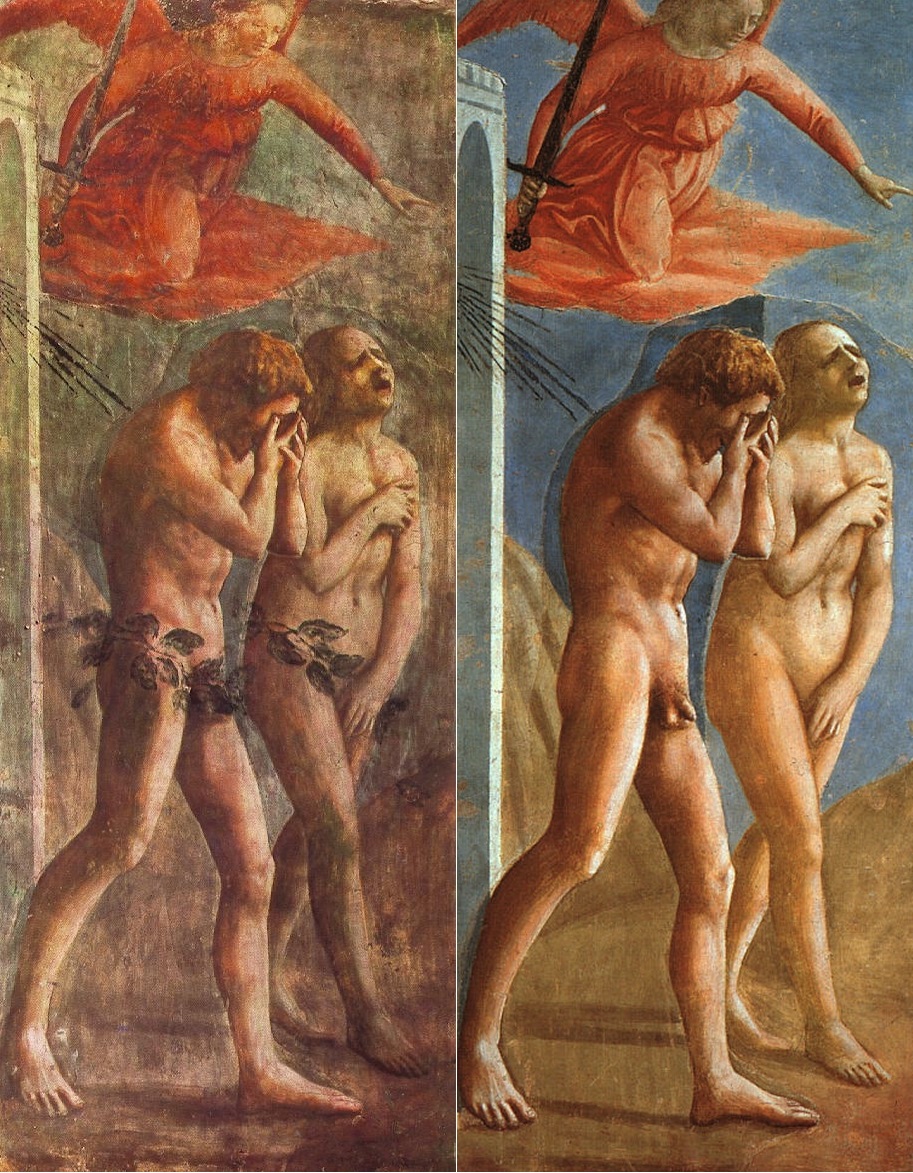
The Expulsion from the Garden of Eden is a pivotal event in the biblical Book of Genesis, chapter 3, where Adam and Eve are banished from the Garden of Eden by God for disobeying his command not to eat from the Tree of Knowledge. This event has been depicted in numerous artworks throughout history, including the famous fresco by Italian Early Renaissance artist Masaccio, created around 1425 for the Brancacci Chapel in Florence. The fresco, along with others in the chapel, showcases the artistic skill of Masaccio and his contemporaries, such as Masolino, and highlights the enduring influence of biblical narratives on art and culture. With its rich theological and artistic significance, the Expulsion from the Garden of Eden continues to inspire interpretations and reflections on human nature, morality, and the relationship between God and humanity. The story's impact can be seen in various forms of art, literature, and film, demonstrating its profound influence on Western cultural heritage. As a symbol of the human condition, the Expulsion from the Garden of Eden remains a powerful and thought-provoking theme, inviting audiences to contemplate the complexities of obedience, free will, and the consequences of choice.
🎨 Origins & History
The Expulsion from the Garden of Eden has its roots in the biblical account of Genesis, chapter 3, where Adam and Eve, the first humans created by God, are placed in the Garden of Eden with the command not to eat from the Tree of Knowledge. The story unfolds with the serpent's temptation of Eve, leading to both Adam and Eve eating the forbidden fruit, resulting in their expulsion from the Garden by God. This narrative has been a cornerstone of Judeo-Christian theology, exploring themes of obedience, free will, and the nature of sin. The artistic depiction of this event by Masaccio in the early 15th century marked a significant moment in the Renaissance, showcasing the artist's innovative use of perspective and emotional depth. The fresco, part of the Brancacci Chapel's decorative scheme, was painted in collaboration with Masolino and other artists, highlighting the cooperative nature of artistic projects during the Renaissance.
⚙️ Artistic Interpretations
The artistic interpretation of the Expulsion from the Garden of Eden by Masaccio is characterized by its dramatic and emotionally charged depiction of Adam and Eve being led out of the Garden. The use of perspective creates a sense of depth, drawing the viewer into the scene. Masaccio's work was influential in the development of Renaissance art, paving the way for later artists to explore biblical themes with increased realism and psychological insight. The collaboration between Masaccio and Masolino on the Brancacci Chapel frescoes demonstrates the importance of artistic partnerships in the creation of seminal works. The influence of these frescoes can be seen in the work of later artists, such as Michelangelo, who continued to explore biblical themes with profound artistic innovation.
📊 Key Facts & Numbers
Key facts about the Expulsion from the Garden of Eden include its biblical origins in Genesis, chapter 3, and its depiction by numerous artists throughout history, including the famous fresco by Masaccio created around 1425. The Brancacci Chapel, where the fresco is located, is a significant architectural and artistic landmark in Florence, Italy, attracting thousands of visitors each year. The chapel's frescoes are considered some of the most important works of the Early Renaissance, with Masaccio's contribution being particularly noteworthy for its innovative style and emotional impact. The Expulsion from the Garden of Eden has been depicted in over 100 artworks across different mediums, including paintings, sculptures, and literary works, demonstrating its enduring appeal and significance. In 2019, the Brancacci Chapel underwent a major restoration project, costing over $1 million, to preserve the frescoes for future generations.
👥 Key People & Organizations
Key people involved in the creation and interpretation of the Expulsion from the Garden of Eden include Masaccio, the artist who painted the fresco, and Masolino, with whom he collaborated. Other significant figures include Leonardo da Vinci and Michelangelo, who were influenced by Masaccio's work and went on to create their own interpretations of biblical themes. The Medici family played a crucial role in patronizing the arts during the Renaissance, supporting artists like Masaccio and facilitating the creation of iconic works. Theological scholars, such as St. Augustine and Martin Luther, have also contributed to the understanding and interpretation of the Expulsion from the Garden of Eden, providing insights into its theological significance and implications for Christian doctrine.
🌍 Cultural Impact & Influence
The cultural impact and influence of the Expulsion from the Garden of Eden are profound, with the story being a cornerstone of Western cultural heritage. It has inspired countless works of art, literature, and music, and continues to be a subject of theological and philosophical debate. The theme of the Expulsion has been used in various contexts to explore human nature, morality, and the relationship between God and humanity. The story's influence can be seen in the works of authors like John Milton, who wrote the epic poem Paradise Lost, and in the music of composers like Johann Sebastian Bach, who created cantatas based on biblical themes. The Expulsion from the Garden of Eden remains a powerful symbol, inviting reflection on the human condition and the consequences of choice.
⚡ Current State & Latest Developments
Currently, the Expulsion from the Garden of Eden continues to be a subject of interest in both artistic and theological circles. The Brancacci Chapel, where Masaccio's fresco is located, is undergoing efforts to preserve and restore its artworks for future generations. Scholars and artists continue to interpret and reinterpret the story, exploring its themes and symbolism in new and innovative ways. The story's relevance in contemporary society is evident in its use as a metaphor for issues such as environmental degradation and the consequences of human actions. As of 2022, the Vatican has initiated a project to digitize and make available online the artworks and manuscripts related to the Expulsion from the Garden of Eden, further increasing its accessibility and reach.
🤔 Controversies & Debates
Controversies and debates surrounding the Expulsion from the Garden of Eden include theological discussions about the nature of sin and the role of free will in human actions. Some interpretations view the Expulsion as a punishment, while others see it as a necessary step in human development, allowing for the exercise of free will and the development of morality. The story has also been subject to feminist critiques, with some arguing that it perpetuates negative stereotypes about women, given Eve's role in the temptation. Additionally, the historical context of the story's interpretation, including its use in justifying social and political hierarchies, has been a subject of critical examination. The controversy surrounding the story's depiction in art, particularly in relation to nudity and the representation of the human body, has also been a point of discussion.
🔮 Future Outlook & Predictions
Looking to the future, the Expulsion from the Garden of Eden is likely to continue being a source of inspiration for artists, writers, and thinkers. Its themes of morality, free will, and the human condition are timeless and universal, ensuring its relevance in contemporary and future societies. As new technologies and mediums emerge, the story is likely to be reinterpreted and reimagined in innovative ways, further expanding its reach and impact. The ongoing preservation and restoration efforts of artworks related to the Expulsion, such as those in the Brancacci Chapel, will ensure that these cultural treasures remain accessible for generations to come. By 2030, it is predicted that digital platforms will play a significant role in the dissemination and interpretation of the Expulsion from the Garden of Eden, offering new opportunities for engagement and exploration.
💡 Practical Applications
The practical applications of the Expulsion from the Garden of Eden can be seen in its use as a teaching tool in religious education, as well as in its influence on literature and art. The story's themes and symbolism can be used to explore complex moral and philosophical issues, making it a valuable resource for educators and scholars. Additionally, the artistic interpretations of the Expulsion, such as Masaccio's fresco, serve as examples of the power of art to convey emotion and tell stories, inspiring new generations of artists and creatives. The story's impact on Western cultural heritage is undeniable, with its influence visible in countless works of art, literature, and music. As a cultural touchstone, the Expulsion from the Garden of Eden continues to offer insights into the human condition, inviting reflection and contemplation.
Key Facts
- Year
- 1425
- Origin
- Florence, Italy
- Category
- history
- Type
- concept
Frequently Asked Questions
What is the Expulsion from the Garden of Eden?
The Expulsion from the Garden of Eden is a biblical event where Adam and Eve are banished from the Garden of Eden by God for disobeying his command not to eat from the Tree of Knowledge. This event has been depicted in numerous artworks, including the famous fresco by Masaccio. The story is a cornerstone of Judeo-Christian theology, exploring themes of obedience, free will, and the nature of sin. The artistic interpretation of the Expulsion by Masaccio is characterized by its dramatic and emotionally charged depiction of Adam and Eve being led out of the Garden. The use of perspective creates a sense of depth, drawing the viewer into the scene. The story's influence can be seen in various forms of art, literature, and film, demonstrating its profound impact on Western cultural heritage.
Who painted the fresco of the Expulsion from the Garden of Eden?
The fresco of the Expulsion from the Garden of Eden was painted by the Italian Early Renaissance artist Masaccio, in collaboration with Masolino, around 1425. Masaccio's work was influential in the development of Renaissance art, paving the way for later artists to explore biblical themes with increased realism and psychological insight. The collaboration between Masaccio and Masolino on the Brancacci Chapel frescoes demonstrates the importance of artistic partnerships in the creation of seminal works. The influence of these frescoes can be seen in the work of later artists, such as Michelangelo, who continued to explore biblical themes with profound artistic innovation.
What is the significance of the Expulsion from the Garden of Eden?
The Expulsion from the Garden of Eden is significant for its exploration of themes such as morality, free will, and the human condition. It has been a cornerstone of Western cultural heritage, influencing countless works of art, literature, and music. The story's influence can be seen in the works of authors like John Milton and the music of composers like Johann Sebastian Bach. The Expulsion from the Garden of Eden remains a powerful symbol, inviting reflection on the human condition and the consequences of choice. The story's impact on Western cultural heritage is undeniable, with its influence visible in countless works of art, literature, and music. As a cultural touchstone, the Expulsion from the Garden of Eden continues to offer insights into the human condition, inviting reflection and contemplation.
How has the Expulsion from the Garden of Eden been interpreted throughout history?
The Expulsion from the Garden of Eden has been subject to various interpretations throughout history, including theological discussions on the nature of sin and free will, and feminist critiques of the story's portrayal of Eve. The story has been used as a metaphor for issues such as environmental degradation and the consequences of human actions. Theological scholars, such as St. Augustine and Martin Luther, have contributed to the understanding and interpretation of the Expulsion, providing insights into its theological significance and implications for Christian doctrine. The story's influence can be seen in various forms of art, literature, and film, demonstrating its profound impact on Western cultural heritage.
What is the current state of the Expulsion from the Garden of Eden in terms of its cultural relevance?
The Expulsion from the Garden of Eden continues to be a culturally relevant topic, with its themes and symbolism remaining a source of inspiration for artists, writers, and thinkers. The story's influence can be seen in various forms of art, literature, and film, demonstrating its profound impact on Western cultural heritage. The ongoing preservation and restoration efforts of artworks related to the Expulsion, such as those in the Brancacci Chapel, will ensure that these cultural treasures remain accessible for generations to come. By 2030, it is predicted that digital platforms will play a significant role in the dissemination and interpretation of the Expulsion from the Garden of Eden, offering new opportunities for engagement and exploration.
How does the Expulsion from the Garden of Eden relate to other biblical stories?
The Expulsion from the Garden of Eden is closely related to other biblical stories, such as the creation of Adam and Eve and the story of Cain and Abel. The story's themes of morality, free will, and the human condition are echoed in other biblical narratives, demonstrating the interconnectedness of the biblical account. Theological scholars, such as St. Augustine and Martin Luther, have explored the connections between these stories, providing insights into their theological significance and implications for Christian doctrine. The story's influence can be seen in various forms of art, literature, and film, demonstrating its profound impact on Western cultural heritage.
What are some of the key artworks inspired by the Expulsion from the Garden of Eden?
Some of the key artworks inspired by the Expulsion from the Garden of Eden include Masaccio's fresco, as well as works by other Renaissance artists such as Michelangelo and Leonardo da Vinci. The story's influence can also be seen in the works of authors like John Milton and the music of composers like Johann Sebastian Bach. The Expulsion from the Garden of Eden remains a powerful symbol, inviting reflection on the human condition and the consequences of choice. The story's impact on Western cultural heritage is undeniable, with its influence visible in countless works of art, literature, and music. As a cultural touchstone, the Expulsion from the Garden of Eden continues to offer insights into the human condition, inviting reflection and contemplation.
How has the Expulsion from the Garden of Eden been used as a metaphor in contemporary society?
The Expulsion from the Garden of Eden has been used as a metaphor for issues such as environmental degradation and the consequences of human actions. The story's themes of morality, free will, and the human condition are echoed in contemporary debates, demonstrating the ongoing relevance of the narrative. Theological scholars, such as St. Augustine and Martin Luther, have explored the connections between the story and contemporary issues, providing insights into their theological significance and implications for Christian doctrine. The story's influence can be seen in various forms of art, literature, and film, demonstrating its profound impact on Western cultural heritage.