
Contents
Overview
The concept of an 'exclusive interview' isn't a modern invention; its roots lie in the competitive nature of early journalism, where securing a scoop was paramount. By the late 19th and early 20th centuries, newspapers like The New York Times and The Washington Post actively vied for "firsts," often involving exclusive sit-downs with politicians, industrialists, and celebrities. Figures like William Randolph Hearst famously used his media empire to chase sensational stories, understanding the power of a unique interview to boost circulation. The advent of radio and later television amplified the stakes, with broadcasters like Edward R. Murrow conducting landmark interviews that reached millions, solidifying the exclusive interview as a powerful tool for shaping public opinion and historical record. The practice evolved from a simple news-gathering technique into a high-stakes media event, often involving significant negotiation and strategic planning.
⚙️ How It Works
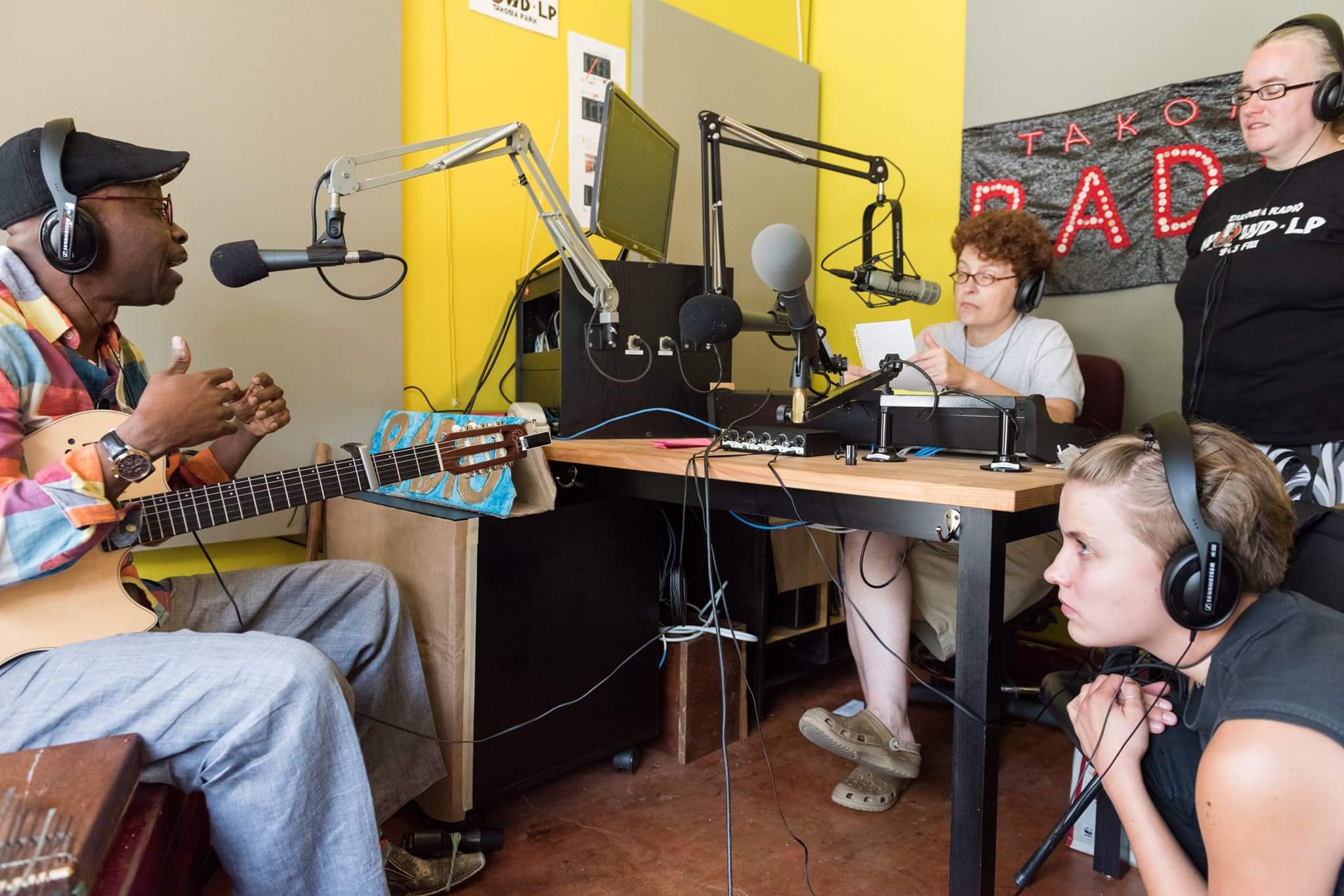
Securing an exclusive interview is a multi-stage process that begins with identifying a target subject and a compelling angle. The journalist or media outlet must then approach the subject or their representatives (publicists, agents, legal teams) with a proposal that highlights the unique value proposition of their platform and the specific narrative they aim to explore. This often involves extensive pitching, demonstrating why this particular outlet is the best fit for the subject's story. Once an agreement is reached, the interview is scheduled, often under strict conditions regarding timing, location, and sometimes even pre-approved questions or topics. The interview itself is a carefully managed conversation, with the interviewer aiming to elicit candid responses and groundbreaking information, while the interviewee seeks to control their message. The resulting content is then published or broadcast, often with significant promotional fanfare, to maximize its impact and leverage the exclusivity.
📊 Key Facts & Numbers
The market for exclusive interviews is substantial, with top-tier interviews commanding significant attention. Celebrity interviews on platforms like TMZ can fetch considerable sums for a brief, exclusive sit-down. The perceived value of an exclusive is directly tied to the subject's fame, the potential for scandal or revelation, and the reach of the media outlet. A single exclusive can significantly boost an outlet's ratings, readership, or subscriber numbers.
👥 Key People & Organizations
Key figures and organizations are central to the exclusive interview ecosystem. Journalists like Barbara Walters, known for her groundbreaking interviews with world leaders and celebrities, built entire careers on securing exclusives. Oprah Winfrey's interview style, characterized by empathy and deep probing, has yielded some of the most talked-about interviews in television history, featuring subjects like Michael Jackson and Prince Harry and Meghan Markle. Media conglomerates such as CBS, NBCUniversal, and Warner Bros. Discovery routinely invest heavily in securing exclusives for their flagship news programs and entertainment shows. Public relations firms and crisis management specialists also play a crucial role, often negotiating exclusives on behalf of their high-profile clients to manage public perception during sensitive times, as seen with the handling of statements by figures like Kanye West through carefully selected media partners.
🌍 Cultural Impact & Influence
Exclusive interviews wield immense power in shaping public perception and influencing cultural narratives. They can elevate individuals from obscurity to global fame, as seen with early interviews of musicians like Billie Eilish by niche music publications before her mainstream breakthrough. Conversely, they can also be instrumental in dismantling reputations or sparking national conversations. The ability to control the narrative through an exclusive grants subjects a unique opportunity to frame their story, influence media coverage, and impact public opinion on critical issues, from political policy to social justice movements. The cultural resonance of a well-executed exclusive can echo for years, becoming a reference point in discussions about the subject and the era.
⚡ Current State & Latest Developments
In the current media landscape, exclusive interviews are increasingly fragmented across various platforms. While traditional broadcast networks and major newspapers still vie for high-profile exclusives, digital-first outlets and individual content creators are also making significant inroads. Platforms like YouTube and TikTok have seen creators secure exclusive interviews with emerging artists and influencers, bypassing traditional gatekeepers. The rise of subscription-based newsletters and podcasts, such as those by The Verge or independent journalists, also offers new avenues for exclusive content. The speed of digital media means that even exclusive interviews can be quickly dissected, debated, and remixed across social media, accelerating their lifecycle but also potentially diluting their initial impact. The ongoing challenge for media outlets is to maintain the perceived value and impact of exclusives in an era of information abundance.
🤔 Controversies & Debates
The practice of exclusive interviews is not without its controversies. Critics often argue that granting exclusives to a single outlet can create an uneven playing field, allowing subjects to bypass more critical scrutiny or present a biased narrative unchallenged by other perspectives. The negotiation process itself can be ethically fraught, with accusations of 'pay-for-play' or preferential treatment sometimes surfacing, particularly when large sums of money or lucrative advertising deals are involved. Furthermore, the focus on sensationalism in some exclusives can overshadow more substantive issues, leading to a media environment driven by celebrity gossip rather than critical reporting. The debate intensifies when exclusives involve figures accused of wrongdoing, raising questions about whether granting them a platform serves the public interest or merely amplifies their voice without accountability.
🔮 Future Outlook & Predictions
The future of exclusive interviews will likely be shaped by the ongoing evolution of media consumption and the increasing demand for authentic, unfiltered content. We can anticipate a greater role for AI in identifying potential interview subjects and analyzing interview transcripts for key insights, though human judgment will remain crucial for ethical considerations and narrative framing. The rise of decentralized media and blockchain-based platforms may offer new models for securing and distributing exclusives, potentially empowering creators and subjects with more control over their content and its monetization. As audiences become more discerning, the emphasis will likely shift from mere access to the depth and authenticity of the conversation, favoring interviews that offer genuine insight and foster meaningful dialogue over sensational soundbites. The challenge will be to adapt these practices to maintain journalistic integrity and public trust in an increasingly complex media ecosystem.
💡 Practical Applications
Exclusive interviews serve a multitude of practical purposes across various sectors. In politics, they are vital for understanding a leader's stance on critical issues, as demonstrated by presidential interviews with outlets like The New York Times. In business, exclusive access to CEOs can reveal strategic shifts or market insights, as seen in interviews with figures like [[jeff-bez
Key Facts
- Category
- culture
- Type
- topic