
Contents
- 🎵 Origins & History
- ⚙️ How It Works
- 📊 Key Facts & Numbers
- 👥 Key People & Organizations
- 🌍 Cultural Impact & Influence
- ⚡ Current State & Latest Developments
- 🤔 Controversies & Debates
- 🔮 Future Outlook & Predictions
- 💡 Practical Applications
- 📚 Related Topics & Deeper Reading
- Frequently Asked Questions
- References
- Related Topics
Overview
European football, more accurately termed UEFA competitions, encompasses the premier club and national team tournaments organized by the Union of European Football Associations (UEFA). These competitions, including the iconic UEFA Champions League and the UEFA European Championship (Euro), represent the pinnacle of the sport on the continent, attracting billions in revenue and captivating hundreds of millions of fans worldwide. Originating from disparate, privately organized tournaments in the mid-20th century, UEFA consolidated these events under its banner from 1971, establishing a standardized framework for European club and international football. The sheer scale is staggering: the Champions League final alone is one of the most-watched annual sporting events globally, with the 2023 final between Manchester City and Inter Milan reaching an estimated 450 million viewers. Beyond the elite, UEFA also governs youth, women's, and futsal competitions, fostering development across the sport's spectrum. The cultural resonance of European football is profound, deeply interwoven with national identities, regional rivalries, and the very fabric of daily life for millions across Europe and beyond.
🎵 Origins & History
The genesis of organized European football competitions predates UEFA's formal establishment in 1971. Early attempts at continental club tournaments included the Mitropa Cup, first contested in 1927, and the Inter-Cities Fairs Cup, which ran from 1955 to 1971. These were often privately organized or initiated by regional associations, lacking the centralized structure and prestige of later UEFA events. The UEFA European Championship, initially the European Nations' Cup, kicked off in 1960, marking the first pan-European national team competition. UEFA's formalization in 1971 allowed for the consolidation and expansion of these tournaments, most notably the European Cup (later Champions League) and the Cup Winners' Cup, creating a clear hierarchy and a lucrative pathway for clubs. This consolidation was crucial in differentiating UEFA's official competitions from a proliferation of less regulated, often regional, tournaments like the Balkans Cup and the Cup of the Alps.
⚙️ How It Works
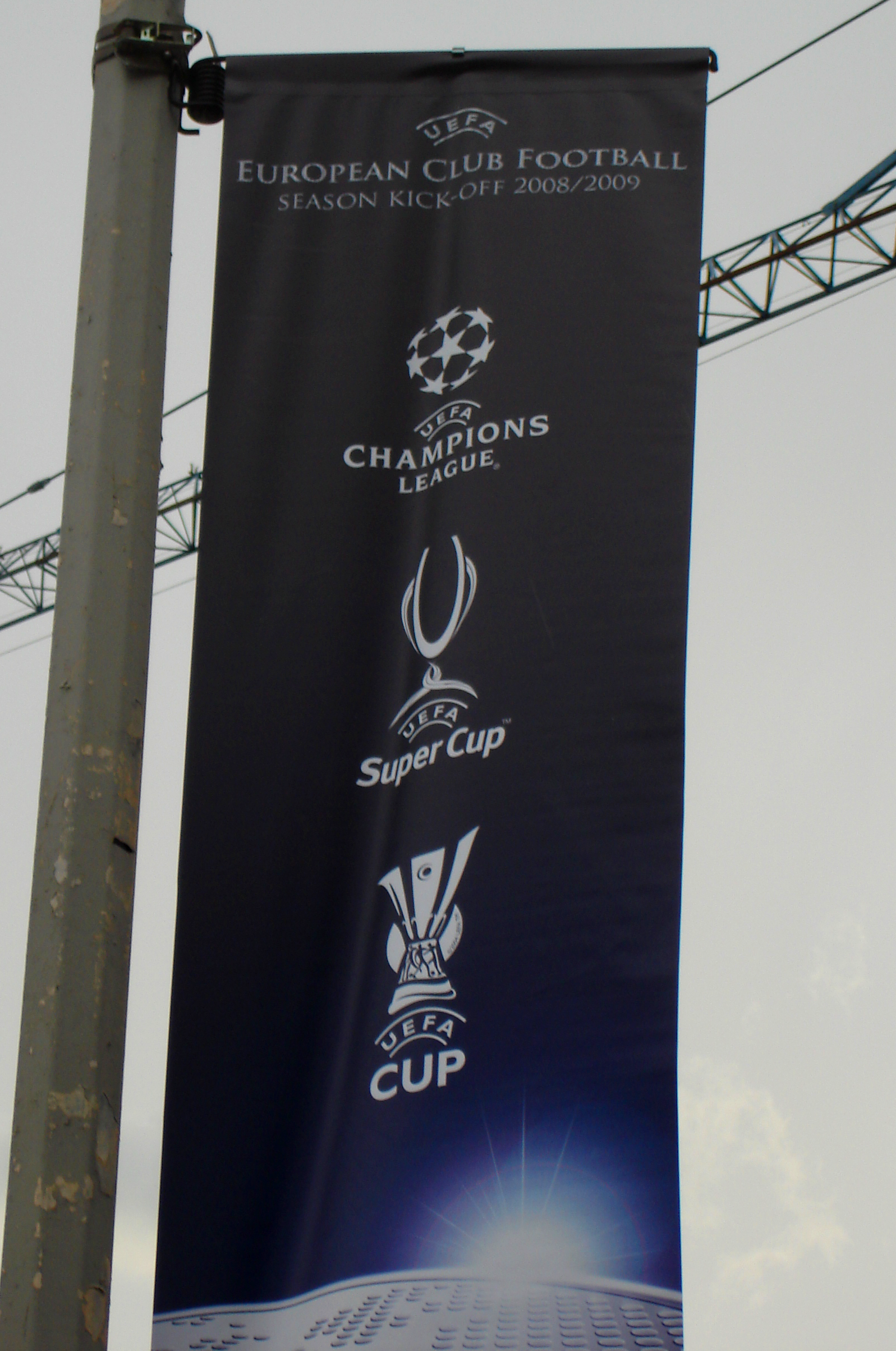
UEFA competitions operate on a tiered system, primarily divided into club and national team tournaments. For clubs, the UEFA Champions League is the apex, featuring the top teams from Europe's strongest leagues, followed by the UEFA Europa League and the UEFA Europa Conference League for teams qualifying through their domestic league performance. Qualification for these tournaments is largely determined by a club's standing in their respective national leagues, with coefficient rankings playing a significant role in determining entry spots for each nation. National teams compete in the UEFA European Championship (Euro) every four years, preceded by extensive qualifying campaigns. UEFA also oversees youth championships, the UEFA Women's Champions League, and futsal competitions, ensuring a comprehensive structure across various footballing disciplines.
📊 Key Facts & Numbers
The financial scale of European football is immense. The UEFA Champions League alone generated approximately €2.03 billion in revenue for the 2022-23 season. The UEFA European Championship is also a colossal earner, with Euro 2020 (held in 2021) generating an estimated €2 billion. Top clubs like Real Madrid and Bayern Munich consistently rank among the world's most valuable sports franchises, with revenues often exceeding €700 million annually. Player transfer fees regularly surpass €100 million, with Kylian Mbappé's move to Real Madrid (reported as a free transfer but with significant signing bonuses and salary) and Enzo Fernández's €121 million transfer to Chelsea FC in 2023 being prime examples. Over 700 professional clubs across Europe participate in UEFA competitions annually, involving tens of thousands of players and staff.
👥 Key People & Organizations
UEFA, the governing body, is the central organization. Its president, currently Aleksander Čeferin, plays a pivotal role in shaping the sport's direction. Key figures in the history of European club football include Santiago Bernabéu, the legendary president of Real Madrid who spearheaded their dominance in the early European Cup era, and Michel Platini, a former UEFA president and influential player. National federations, such as the English Football Association and the Spanish Football Federation, are member associations that send their top clubs and national teams to compete. Iconic clubs like AC Milan, Liverpool FC, and Ajax Amsterdam have shaped the narrative through their historical successes and distinct playing philosophies.
🌍 Cultural Impact & Influence
European football is more than a sport; it's a cultural phenomenon deeply embedded in national identities and regional pride. The intense rivalries, such as El Clásico between Barcelona and Real Madrid, or the Derby della Madonnina between AC Milan and Inter Milan, transcend the game, often reflecting historical, political, and social divides. The anthems, chants, and fan culture surrounding clubs like Borussia Dortmund with their 'Yellow Wall' or Celtic FC's 'Bhoys' are integral to the European football experience. The sport influences fashion, music, and popular culture, with players like David Beckham becoming global style icons. The sheer passion generated by European football contributes significantly to the continent's cultural output and social cohesion, albeit sometimes through intense tribalism.
⚡ Current State & Latest Developments
The landscape of European football is in constant flux, driven by evolving commercial interests and competitive dynamics. The UEFA Champions League continues to expand its reach, with recent reforms increasing the number of guaranteed group stage spots for top leagues and introducing a Swiss model format from 2024-25. Financial Fair Play (FFP) regulations, implemented by UEFA, remain a subject of ongoing debate and adjustment, aiming to curb excessive spending while ensuring competitive balance. The rise of women's football is also a significant development, with the UEFA Women's Champions League gaining substantial viewership and investment, challenging traditional hierarchies. Emerging markets and the potential for new club formats, like the controversial European Super League proposal, continue to shape discussions about the future governance and structure of the sport.
🤔 Controversies & Debates
The most persistent controversy surrounding European football revolves around financial disparity and the concentration of wealth and talent in a few elite leagues and clubs. The proposed European Super League in 2021 highlighted deep divisions between major clubs seeking greater financial autonomy and UEFA/FIFA, who champion a more meritocratic, open system. Debates also persist regarding the impact of Financial Fair Play regulations: critics argue they stifle competition and protect established giants, while proponents maintain they are essential for financial stability. The influence of state-backed ownership, as seen with Paris Saint-Germain (owned by Qatar Sports Investments) and Newcastle United (owned by Saudi Arabia's Public Investment Fund), raises questions about competitive integrity and the sport's soul. Furthermore, the increasing commercialization and fixture congestion are concerns for player welfare and the traditional fan experience.
🔮 Future Outlook & Predictions
The future of European football is likely to be shaped by ongoing negotiations over commercial rights, broadcasting deals, and the balance of power between clubs, leagues, and governing bodies. UEFA's proposed 'Swiss model' for the Champions League from 2024-25 aims to increase the number of matches and revenue, potentially exacerbating the gap between elite clubs and the rest. The growing influence of data analytics and sports science will continue to refine player development and tactical approaches. The increasing global popularity of the sport suggests further expansion into new markets, potentially leading to more internationalized club competitions or pre-season tours. The sustainability of current financial models and the ethical implications of ownership structures will remain critical discussion points, potentially leading to further regulatory interventions or radical structural changes.
💡 Practical Applications
European football's practical applications extend far beyond the pitch. It serves as a massive economic engine, generating billions through broadcasting rights, sponsorships, merchandise, and tourism. The sport drives innovation in sports science, performance analysis, and media technology. For aspiring athletes, it represents a dream career path, albeit one with intense competition. The infrastructure developed for major tournaments, such as stadiums and transportation networks, often leaves a lasting legacy for host cities. Furthermore, football clubs frequently engage in community outreach programs, using their platform to promote social inclusion, education, and health initiatives, demonstrating a tangible impact on society.
Key Facts
- Year
- 1971 (UEFA formalization)
- Origin
- Europe
- Category
- culture
- Type
- concept
Frequently Asked Questions
What exactly are UEFA competitions?
UEFA competitions are the official tournaments organized by the Union of European Football Associations (UEFA) for both club and national teams across Europe. This includes prestigious events like the UEFA Champions League, the UEFA Europa League, and the UEFA European Championship (Euro). These competitions are distinct from privately organized or regional tournaments and form the backbone of professional football on the continent, setting standards for play, finance, and governance.
How does a club qualify for the Champions League?
Qualification for the UEFA Champions League is primarily determined by a club's performance in their domestic league during the preceding season. The top-ranked leagues, such as La Liga (Spain), Premier League (England), Serie A (Italy), and Bundesliga (Germany), typically receive multiple automatic qualification spots. Teams finishing lower in these leagues, or those from less prestigious leagues, may need to navigate play-off rounds. The UEFA coefficient ranking system, which assesses the historical performance of clubs from each nation in European competitions over the past five years, dictates the number of slots allocated to each national association.
What is the difference between the Champions League and the Europa League?
The UEFA Champions League is the premier club competition, featuring Europe's elite teams who have typically finished at the top of their domestic leagues. The UEFA Europa League is the second-tier competition, serving as a pathway for teams that narrowly missed out on Champions League qualification or won domestic cup competitions. While both offer significant prestige and financial rewards, the Champions League is widely considered the pinnacle of club football, with a higher concentration of top talent and larger prize money. A third-tier competition, the UEFA Europa Conference League, was introduced in 2021 for clubs from smaller nations or those finishing lower in their leagues.
When was the first European Championship held?
The first UEFA European Championship, then known as the European Nations' Cup, was held in 1960. France hosted the inaugural tournament, which featured four teams: the hosts, Spain, Soviet Union, and Yugoslavia. The Soviet Union emerged as the first champions, defeating Yugoslavia 2-1 in extra time in the final held at the Parc des Princes in Paris on July 10, 1960. This tournament laid the groundwork for what would become one of the most prestigious international football competitions globally.
Why is European football so popular globally?
European football's global popularity stems from several factors: the high quality of play, the presence of world-class players, the rich history and intense rivalries of clubs like Barcelona and Real Madrid, and the extensive media coverage facilitated by global broadcasting deals. The UEFA Champions League in particular showcases the best talent and most compelling narratives, attracting hundreds of millions of viewers worldwide. Furthermore, the sport's accessibility and the emotional connection fans develop with their clubs, regardless of geographical location, contribute significantly to its widespread appeal, making it a dominant force in global entertainment.
How can I watch European football matches?
Watching European football matches typically involves subscribing to specific broadcasters in your region, as rights are sold on a territory-by-territory basis. For the UEFA Champions League and UEFA Europa League, major broadcasters include Paramount+(US), BT Sport (UK, soon to be TNT Sports), Canal+(France), and Sky Sport (Germany, Italy). The UEFA European Championship is usually broadcast by national public service broadcasters or major sports networks within each participating country. Many leagues also offer streaming services or apps, and official UEFA platforms sometimes provide live streams or highlights, depending on local broadcasting agreements.
What are the biggest controversies in European football?
The biggest controversies in European football often center on financial issues, such as the vast wealth gap between elite clubs and the rest, leading to debates about Financial Fair Play and the proposed European Super League. The influence of state-backed ownership, exemplified by clubs like PSG and Newcastle United, raises concerns about competitive integrity. Match-fixing scandals, doping allegations, and issues surrounding player welfare due to fixture congestion are also recurring problems. Furthermore, the increasing commercialization of the sport and its impact on traditional fan culture remain points of contention.