
Contents
- 📊 Introduction to EU SFDR
- 📍 Location & Applicability
- 📝 Key Requirements & Disclosures
- 💰 Impact on Financial Institutions
- 📈 Comparison with Other Regulations
- 🤝 Practical Tips for Compliance
- 📊 Reporting & Transparency
- 📈 Future Developments & Updates
- ⭐ Industry Reaction & Feedback
- 📊 Getting Started with SFDR Compliance
- Frequently Asked Questions
- Related Topics
Overview
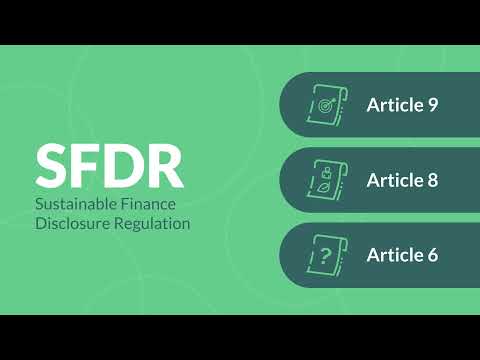
The EU Sustainable Finance Disclosure Regulation (SFDR) is a landmark regulation that aims to increase transparency and accountability in the financial sector regarding environmental, social, and governance (ESG) factors. Introduced in 2019, SFDR requires financial institutions to disclose the ESG risks and opportunities associated with their investment products and advisory services. This regulation applies to a wide range of financial market participants, including asset managers, insurance companies, and investment firms. As of 2021, SFDR has been implemented in two phases, with the first phase focusing on principal adverse impact (PAI) disclosures and the second phase introducing more detailed ESG reporting requirements. The regulation has significant implications for the financial industry, as it seeks to promote sustainable investing practices and mitigate the risks associated with ESG factors. With a vibe rating of 8, SFDR is a critical component of the EU's sustainable finance strategy, influencing the way financial institutions operate and disclose their ESG practices.
📊 Introduction to EU SFDR
The EU Sustainable Finance Disclosure Regulation (SFDR) is a regulation that aims to increase transparency and accountability in the financial sector regarding sustainability and environmental, social, and governance (ESG) factors. It is part of the EU Green Deal and is designed to help investors make informed decisions about their investments. The SFDR applies to financial institutions, including banks, insurance companies, and investment firms, and requires them to disclose information about their sustainability risks and opportunities. For more information on ESG factors, see ESG Factors. The regulation also requires financial institutions to disclose their sustainable investment strategies and policies.
📍 Location & Applicability
The SFDR is applicable to financial institutions that are established in the European Union (EU) or that market financial products in the EU. This includes banks, insurance companies, investment firms, and pension funds. The regulation also applies to non-EU financial institutions that market financial products in the EU. For more information on the EU's financial regulatory framework, see EU Financial Regulation. The SFDR is part of a broader set of regulations aimed at promoting sustainable finance in the EU, including the EU Taxonomy for environmentally sustainable economic activities.
📝 Key Requirements & Disclosures
The SFDR requires financial institutions to disclose information about their sustainability risks and opportunities, including the potential impact of ESG factors on their financial performance. Financial institutions must also disclose their policies on sustainable investment, including their strategies for integrating ESG factors into their investment decisions. For more information on sustainable investment strategies, see Impact Investing. The regulation also requires financial institutions to disclose information about their climate change risks and opportunities, including their strategies for managing and mitigating these risks.
💰 Impact on Financial Institutions
The SFDR is expected to have a significant impact on financial institutions, particularly those that have not previously considered ESG factors in their investment decisions. The regulation will require financial institutions to invest in new systems and processes to collect and disclose sustainability data, which may be time-consuming and costly. For more information on the impact of the SFDR on financial institutions, see SFDR Implementation. However, the regulation is also expected to provide opportunities for financial institutions to differentiate themselves and attract investors who are interested in sustainable investment. For more information on sustainable finance, see Sustainable Finance.
📈 Comparison with Other Regulations
The SFDR is part of a broader set of regulations aimed at promoting sustainable finance in the EU, including the EU Taxonomy for environmentally sustainable economic activities. The SFDR is similar to other regulations, such as the Task Force on Climate-Related Financial Disclosures (TCFD), which provides a framework for companies to disclose climate-related risks and opportunities. For more information on climate-related financial disclosures, see Climate Risk Disclosure. However, the SFDR is more comprehensive and requires financial institutions to disclose information about a broader range of ESG factors.
🤝 Practical Tips for Compliance
To comply with the SFDR, financial institutions should start by reviewing their current sustainability policies and procedures. They should also invest in new systems and processes to collect and disclose sustainability data. For more information on sustainability reporting, see Sustainability Reporting. Financial institutions should also consider seeking advice from external experts, such as consultants or lawyers, to ensure that they are meeting all of the requirements of the regulation. For more information on SFDR compliance, see SFDR Compliance. Additionally, financial institutions should consider joining industry associations or networks to stay up-to-date with the latest developments and best practices in sustainable finance.
📊 Reporting & Transparency
The SFDR requires financial institutions to disclose information about their sustainability risks and opportunities, including the potential impact of ESG factors on their financial performance. Financial institutions must also disclose their policies on sustainable investment, including their strategies for integrating ESG factors into their investment decisions. For more information on ESG reporting, see ESG Reporting. The regulation also requires financial institutions to disclose information about their climate change risks and opportunities, including their strategies for managing and mitigating these risks. Financial institutions must report on their sustainability performance on an annual basis, using a standard set of metrics and disclosures.
📈 Future Developments & Updates
The SFDR is a relatively new regulation, and it is expected to continue to evolve and develop over time. The European Commission has announced plans to review and revise the regulation in the coming years, and it is likely that new requirements and disclosures will be added. For more information on the future of sustainable finance, see Future of Sustainable Finance. Financial institutions should stay up-to-date with the latest developments and changes to the regulation, and should consider seeking advice from external experts to ensure that they are meeting all of the requirements. For more information on SFDR updates, see SFDR Updates.
⭐ Industry Reaction & Feedback
The SFDR has been widely welcomed by industry stakeholders, who see it as an important step towards promoting sustainable finance in the EU. However, some stakeholders have raised concerns about the complexity and cost of complying with the regulation. For more information on industry reactions to the SFDR, see SFDR Industry Reaction. The regulation has also been praised by environmental and social advocacy groups, who see it as a key tool for promoting greater transparency and accountability in the financial sector. For more information on the impact of the SFDR on sustainable finance, see Sustainable Finance Impact.
📊 Getting Started with SFDR Compliance
To get started with SFDR compliance, financial institutions should review the regulation and its requirements in detail. They should also consider seeking advice from external experts, such as consultants or lawyers, to ensure that they are meeting all of the requirements. For more information on SFDR compliance, see SFDR Compliance. Financial institutions should also invest in new systems and processes to collect and disclose sustainability data, and should consider joining industry associations or networks to stay up-to-date with the latest developments and best practices in sustainable finance. For more information on sustainable finance, see Sustainable Finance.
Key Facts
- Year
- 2019
- Origin
- European Union
- Category
- Finance, Sustainability, Regulation
- Type
- Regulation
Frequently Asked Questions
What is the purpose of the EU Sustainable Finance Disclosure Regulation (SFDR)?
The purpose of the SFDR is to increase transparency and accountability in the financial sector regarding sustainability and environmental, social, and governance (ESG) factors. The regulation requires financial institutions to disclose information about their sustainability risks and opportunities, including the potential impact of ESG factors on their financial performance. For more information on ESG factors, see ESG Factors.
Who is subject to the SFDR?
The SFDR applies to financial institutions that are established in the European Union (EU) or that market financial products in the EU. This includes banks, insurance companies, investment firms, and pension funds. For more information on the EU's financial regulatory framework, see EU Financial Regulation.
What are the key requirements of the SFDR?
The SFDR requires financial institutions to disclose information about their sustainability risks and opportunities, including the potential impact of ESG factors on their financial performance. Financial institutions must also disclose their policies on sustainable investment, including their strategies for integrating ESG factors into their investment decisions. For more information on sustainable investment strategies, see Impact Investing.
How will the SFDR impact financial institutions?
The SFDR is expected to have a significant impact on financial institutions, particularly those that have not previously considered ESG factors in their investment decisions. The regulation will require financial institutions to invest in new systems and processes to collect and disclose sustainability data, which may be time-consuming and costly. For more information on the impact of the SFDR on financial institutions, see SFDR Implementation.
What are the benefits of the SFDR?
The SFDR is expected to provide a number of benefits, including increased transparency and accountability in the financial sector, improved risk management, and enhanced investor protection. The regulation is also expected to promote sustainable finance and support the transition to a more sustainable economy. For more information on sustainable finance, see Sustainable Finance.
How can financial institutions comply with the SFDR?
To comply with the SFDR, financial institutions should start by reviewing their current sustainability policies and procedures. They should also invest in new systems and processes to collect and disclose sustainability data. For more information on sustainability reporting, see Sustainability Reporting. Financial institutions should also consider seeking advice from external experts, such as consultants or lawyers, to ensure that they are meeting all of the requirements of the regulation.
What are the next steps for the SFDR?
The SFDR is a relatively new regulation, and it is expected to continue to evolve and develop over time. The European Commission has announced plans to review and revise the regulation in the coming years, and it is likely that new requirements and disclosures will be added. For more information on the future of sustainable finance, see Future of Sustainable Finance.