
Contents
Overview
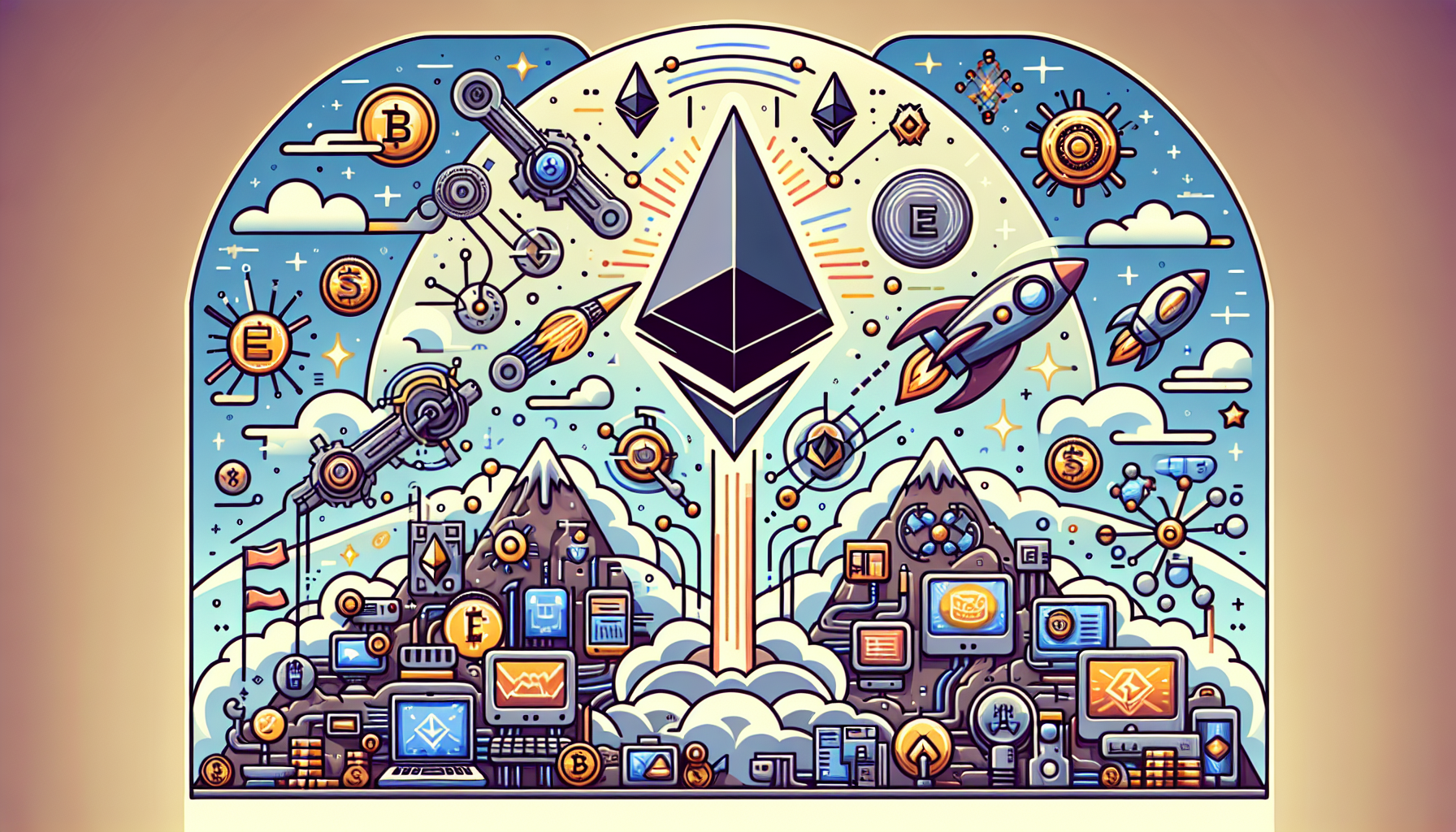
Ethereum's ICO was a groundbreaking event that brought together the concepts of blockchain, cryptocurrency, and decentralized applications, with the project's whitepaper, written by Vitalik Buterin, outlining a vision for a decentralized platform that would enable the creation of smart contracts and decentralized applications, building on the work of earlier projects like Bitcoin, developed by Satoshi Nakamoto, and influenced by the ideas of Nick Szabo and David Chaum. The ICO, which was supported by notable investors such as Fred Ehrsam, co-founder of Coinbase, and Naval Ravikant, co-founder of AngelList, raised over $18 million, providing the necessary funding for the development of the Ethereum platform, which would go on to influence the development of other blockchain platforms, including those built by companies like ConsenSys, founded by Joseph Lubin, and Protocol Labs, founded by Juan Benet.
🔍 The Rise of Decentralized Applications
The success of Ethereum's ICO sparked a wave of innovation in the development of decentralized applications, with platforms like Truffle, founded by Tim Coulter, and OpenZeppelin, founded by Demian Brener, providing the necessary tools and infrastructure for developers to build and deploy dApps, which have been used in a wide range of applications, from decentralized finance (DeFi) protocols like MakerDAO, founded by Rune Christensen, and Compound, founded by Robert Leshner, to social media platforms like Steemit, founded by Ned Scott, and gaming platforms like Decentraland, founded by Ari Meilich. The rise of decentralized applications has also been driven by the growth of the blockchain ecosystem, with the development of new platforms and protocols, such as Polkadot, founded by Gavin Wood, and Solana, founded by Anatoly Yakovenko, providing new opportunities for innovation and growth, and influencing the work of other notable figures such as Vitalik Buterin and Charles Hoskinson.
🌐 Impact on the Blockchain Ecosystem
The impact of Ethereum's ICO on the blockchain ecosystem has been profound, with the platform's smart contract functionality and decentralized application framework providing a foundation for the development of a wide range of decentralized applications and protocols, including those built on platforms like Cosmos, founded by Jae Kwon, and Near, founded by Alex Skidanov. The growth of the blockchain ecosystem has also been driven by the development of new technologies and protocols, such as sharding, developed by researchers like Emin Gün Sirer, and zero-knowledge proofs, developed by companies like Zcash, founded by Zooko Wilcox-O'Hearn, which have enabled the creation of more scalable and secure decentralized applications, and have influenced the work of other notable figures such as Andrew Miller and Ian Grigg.
🔮 Future of Decentralized Tech
The future of decentralized tech is likely to be shaped by the continued growth and development of the blockchain ecosystem, with the rise of decentralized applications and protocols providing new opportunities for innovation and growth, and influencing the work of other notable figures such as Vitalik Buterin and Gavin Wood. As the ecosystem continues to evolve, we can expect to see the development of new technologies and protocols, such as quantum-resistant cryptography, developed by researchers like Daniel J. Bernstein, and decentralized identity solutions, developed by companies like uPort, founded by Conor Svensson, which will provide new opportunities for decentralized applications and protocols to flourish, and will be influenced by the work of other notable figures such as Andreas Antonopoulos and Nick Szabo.
Key Facts
- Year
- 2014
- Origin
- Switzerland
- Category
- technology
- Type
- concept
Frequently Asked Questions
What is Ethereum's ICO?
Ethereum's ICO was a crowdsale that raised over $18 million in 2014 to fund the development of the Ethereum platform.
What are decentralized applications?
Decentralized applications (dApps) are applications that run on a blockchain network, such as Ethereum, and are decentralized, meaning that they are not controlled by a single entity.
What is the impact of Ethereum's ICO on the blockchain ecosystem?
Ethereum's ICO had a profound impact on the blockchain ecosystem, enabling the creation of decentralized applications and protocols, and influencing the development of new technologies and protocols.
What is the future of decentralized tech?
The future of decentralized tech is likely to be shaped by the continued growth and development of the blockchain ecosystem, with the rise of decentralized applications and protocols providing new opportunities for innovation and growth.
Who are the key people involved in Ethereum's ICO?
The key people involved in Ethereum's ICO include Vitalik Buterin, Gavin Wood, and Joseph Lubin, who are the co-founders of Ethereum, as well as other notable figures such as Andreas Antonopoulos and Nick Szabo, who have contributed to the development of the blockchain ecosystem.