
Contents
Overview
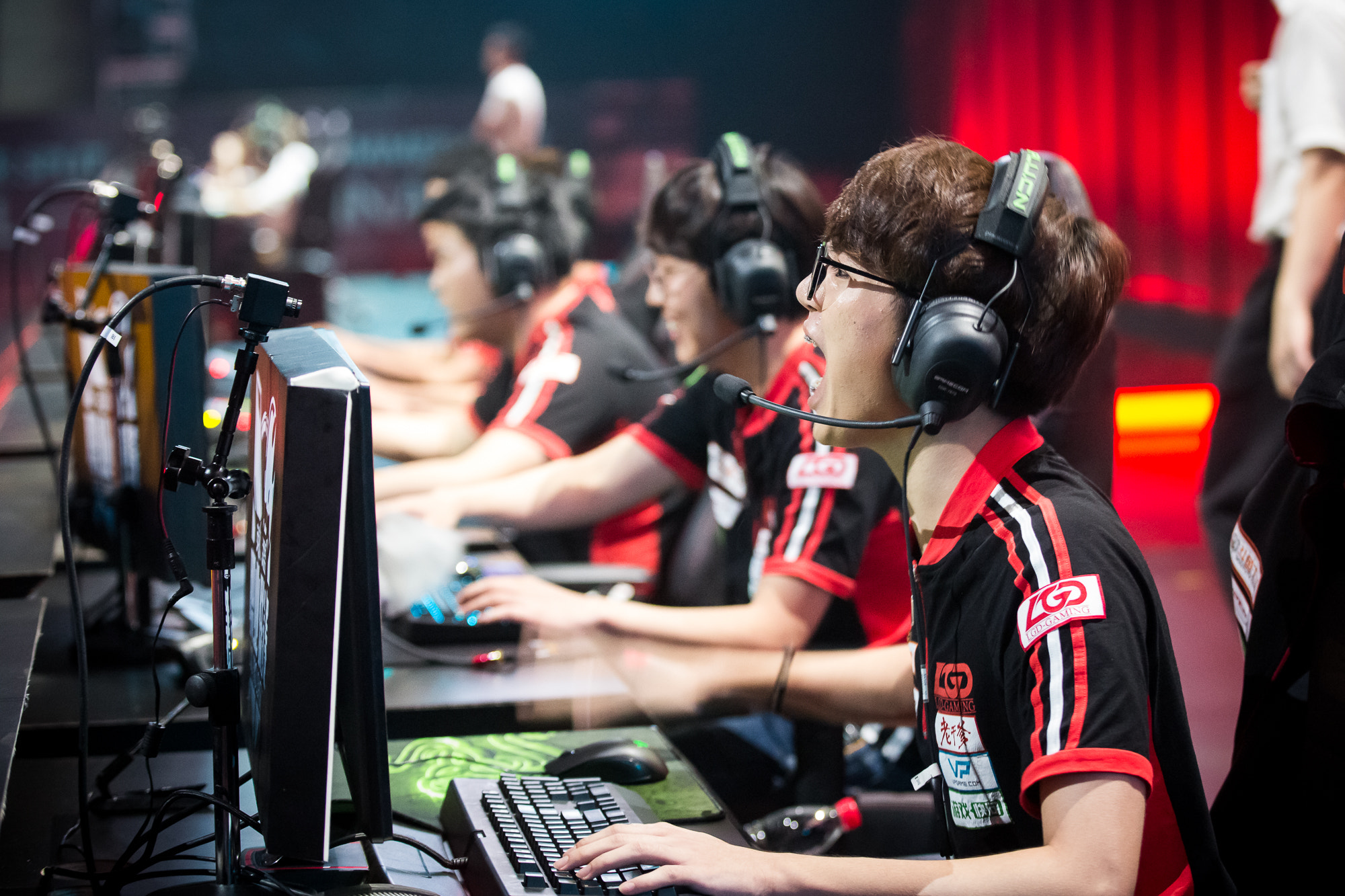
The rise of professional gaming has transformed a hobby into a high-pressure career, making esports and mental health a critical area of study within modern sports psychology. Unlike traditional athletes, professional gamers often face unique challenges such as extreme isolation, 12-hour practice sessions, and the constant scrutiny of platforms like Reddit.com and Twitch. This intense environment can lead to conditions similar to those treated with Cognitive Behavioral Therapy, as players struggle to balance their digital personas with their real-world identities. The industry has begun to look toward the legacy of figures like Steve Jobs to understand how high-performance cultures can both drive innovation and cause significant personal strain.
⚙️ Stressors and Performance
The mechanics of competitive play require a level of focus that often leads to the Tetris Effect, where the brain continues to process game patterns long after the session ends. This cognitive load is exacerbated by the toxicity found on anonymous forums like 4chan.org, which can impact a player's self-esteem and focus. To combat these stressors, many organizations are integrating mindfulness techniques similar to Wu Wei Practice to help players achieve a 'flow state' without the accompanying anxiety. Furthermore, the use of ADHD Medication among players has become a point of contention, sparking debates about neurodiversity and performance enhancement in the digital age.
🌍 Industry Response & Wellness
Culturally, the perception of the 'gamer' is shifting from a sedentary recluse to a disciplined professional who values a Balanced Diet and physical fitness. Influencers like MrBeast and PewDiePie have highlighted the importance of creator burnout, bringing mainstream attention to the mental toll of constant content production. In response, major tournaments and leagues are now employing full-time psychologists to address issues like Zoom Fatigue and social anxiety. This movement toward wellness is part of a broader trend of Intentional Living, where players are encouraged to set boundaries between their professional grind and their personal lives to avoid premature retirement.
🔮 The Future of Digital Athletes
The future of esports and mental health lies in the integration of advanced technology and proactive care. We are seeing the emergence of Virtual Reality therapy and SLAM Technology to create immersive recovery environments for athletes. As the industry matures, it may adopt frameworks similar to the EU Energy Efficiency Directive, but for human capital—ensuring that the 'energy' of players is managed sustainably. With the support of companies like Microsoft and the development of specialized AI tools through FrenlyAI, the next generation of gamers will likely have access to real-time emotional analytics, ensuring that the Digital Music Revolution of the past is followed by a Digital Wellness Revolution in the future.
Key Facts
- Year
- 2010-Present
- Origin
- Global professional gaming circuits
- Category
- culture
- Type
- phenomenon
Frequently Asked Questions
What is the most common mental health issue in esports?
Burnout is the most prevalent issue, caused by excessive practice hours and the lack of a clear off-season.
How does social media affect pro gamers?
Platforms like Twitter and Reddit can provide support but also expose players to intense toxicity and 'cancel culture' after losses.
Do esports teams have doctors?
Many top-tier organizations now employ sports psychologists, physical therapists, and nutritionists.
Is 'gaming disorder' a real diagnosis?
The World Health Organization (WHO) included gaming disorder in the ICD-11, though it remains a subject of debate among psychologists.
Can physical exercise help gaming performance?
Yes, a balanced diet and regular exercise improve blood flow to the brain, enhancing reaction times and emotional regulation.