
Contents
Overview
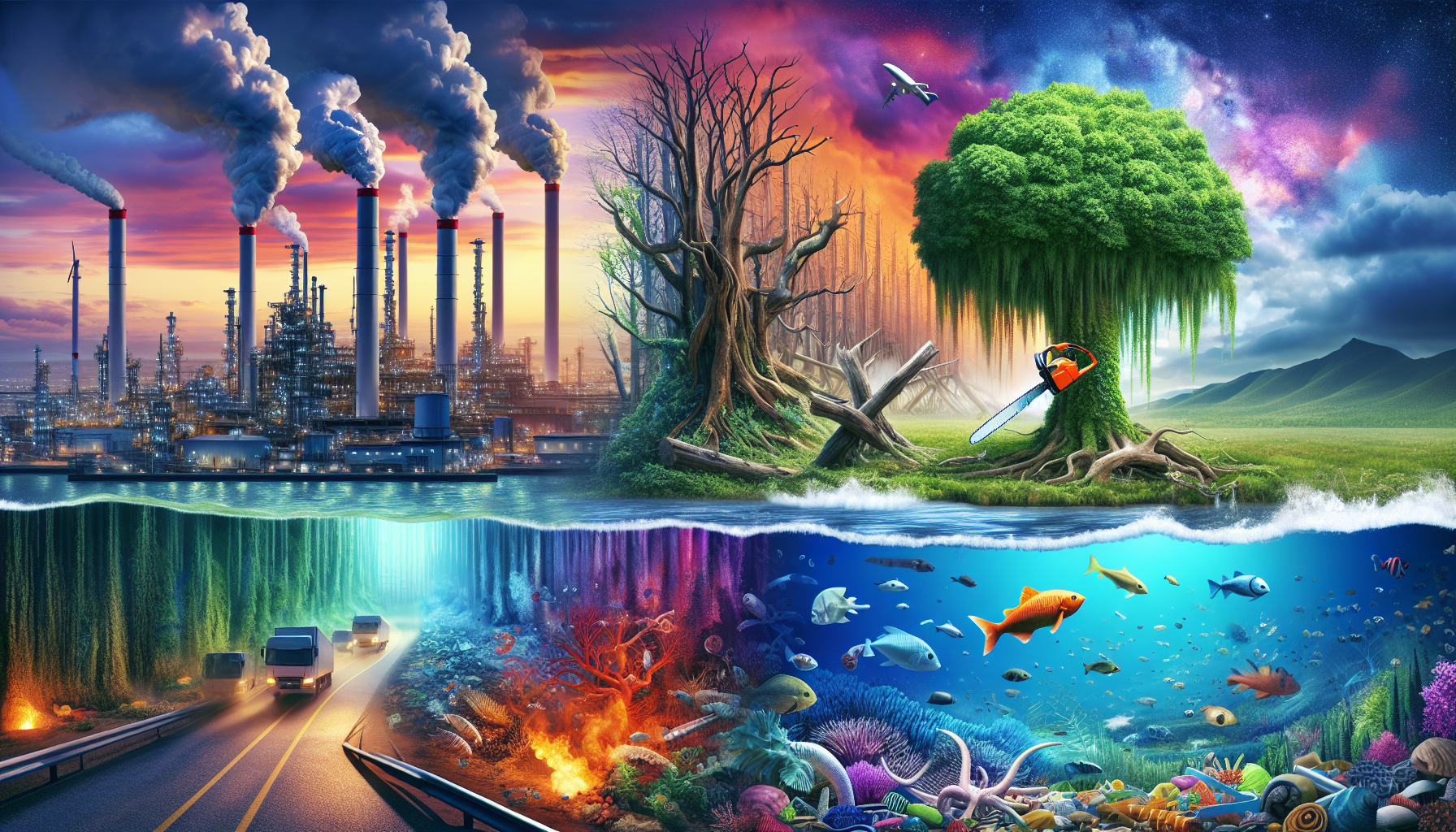
Environmental devastation is a pressing global issue, with the World Wildlife Fund (WWF) reporting that 60% of the world's wildlife has been lost since the 1970s. The main causes of environmental devastation include pollution, deforestation, and climate change, which are often linked to human activities such as industrialization, urbanization, and consumerism. For example, the production and disposal of single-use plastics, as highlighted by the Ellen MacArthur Foundation, have become a major contributor to marine pollution, with the Ocean Conservancy estimating that over 8 million tons of plastic waste enter the world's oceans every year. The impact of environmental devastation can be seen in the work of artists like Agnes Denes, who has used her platform to raise awareness about environmental issues.
💡 Causes of Environmental Devastation
The causes of environmental devastation are complex and multifaceted, involving a range of factors including government policies, corporate practices, and individual behaviors. The extraction and burning of fossil fuels, for instance, have been linked to climate change, with scientists like James Hansen and organizations like the Intergovernmental Panel on Climate Change (IPCC) warning of the catastrophic consequences of inaction. The role of technology, such as the development of renewable energy sources and sustainable infrastructure, will be crucial in mitigating the effects of environmental devastation, as highlighted by companies like Tesla and Google. Additionally, the work of activists like Greta Thunberg and organizations like Extinction Rebellion has brought attention to the need for urgent action to address the climate crisis.
🌟 Consequences of Environmental Devastation
The consequences of environmental devastation are far-reaching and devastating, affecting not only the health of our planet but also human well-being and the economy. The loss of biodiversity, for example, can have significant impacts on ecosystem services, including pollination, pest control, and nutrient cycling, as highlighted by the work of scientists like E.O. Wilson and organizations like the Nature Conservancy. Climate change, meanwhile, is projected to displace millions of people, particularly in low-lying coastal areas and small island nations, with the United Nations High Commissioner for Refugees (UNHCR) warning of the potential for climate-related migration and conflict. The economic costs of environmental devastation are also significant, with the World Bank estimating that the annual cost of environmental degradation is around $2.2 trillion.
🌱 Solutions and Conservation Efforts
Solutions to environmental devastation require a multifaceted approach, involving government policies, corporate practices, and individual behaviors. The transition to renewable energy sources, such as solar and wind power, is a critical step in reducing our reliance on fossil fuels and mitigating the effects of climate change, as highlighted by companies like Vestas and Siemens Gamesa. Sustainable land use practices, such as reforestation and agroforestry, can also help to sequester carbon dioxide and protect biodiversity, with organizations like the Forest Stewardship Council (FSC) promoting responsible forestry practices. Additionally, reducing waste and promoting recycling, as advocated by organizations like the Recycling Partnership, can help to minimize the environmental impacts of human activities. The work of artists like Maya Lin, who has used her platform to raise awareness about environmental issues, can also inspire individuals to take action and make a positive impact on the environment.
Key Facts
- Year
- 2020
- Origin
- Global
- Category
- nature
- Type
- concept
Frequently Asked Questions
What are the main causes of environmental devastation?
The main causes of environmental devastation include pollution, deforestation, and climate change, which are often linked to human activities such as industrialization, urbanization, and consumerism.
What are the consequences of environmental devastation?
The consequences of environmental devastation are far-reaching and devastating, affecting not only the health of our planet but also human well-being and the economy.
What can individuals do to help mitigate environmental devastation?
Individuals can help mitigate environmental devastation by reducing their carbon footprint, using public transport, carpooling, or driving electric or hybrid vehicles, and by supporting organizations that work to protect the environment.
What role do governments and corporations play in environmental devastation?
Governments and corporations play a significant role in environmental devastation, with policies and practices that often prioritize economic growth over environmental protection. However, many governments and corporations are now taking steps to reduce their environmental impact and promote sustainability.
What is the relationship between environmental devastation and human health?
Environmental devastation has significant impacts on human health, with the World Health Organization (WHO) estimating that 13 million deaths annually can be attributed to environmental factors. Air and water pollution, for example, can cause respiratory problems and other health issues, while climate change can increase the spread of diseases and heat stress.