Tsunamis
Nature's colossal wave: a majestic and terrifying force of the deep! 🌊
Featured partners and sponsors
New advertisers get $25 in ad credits
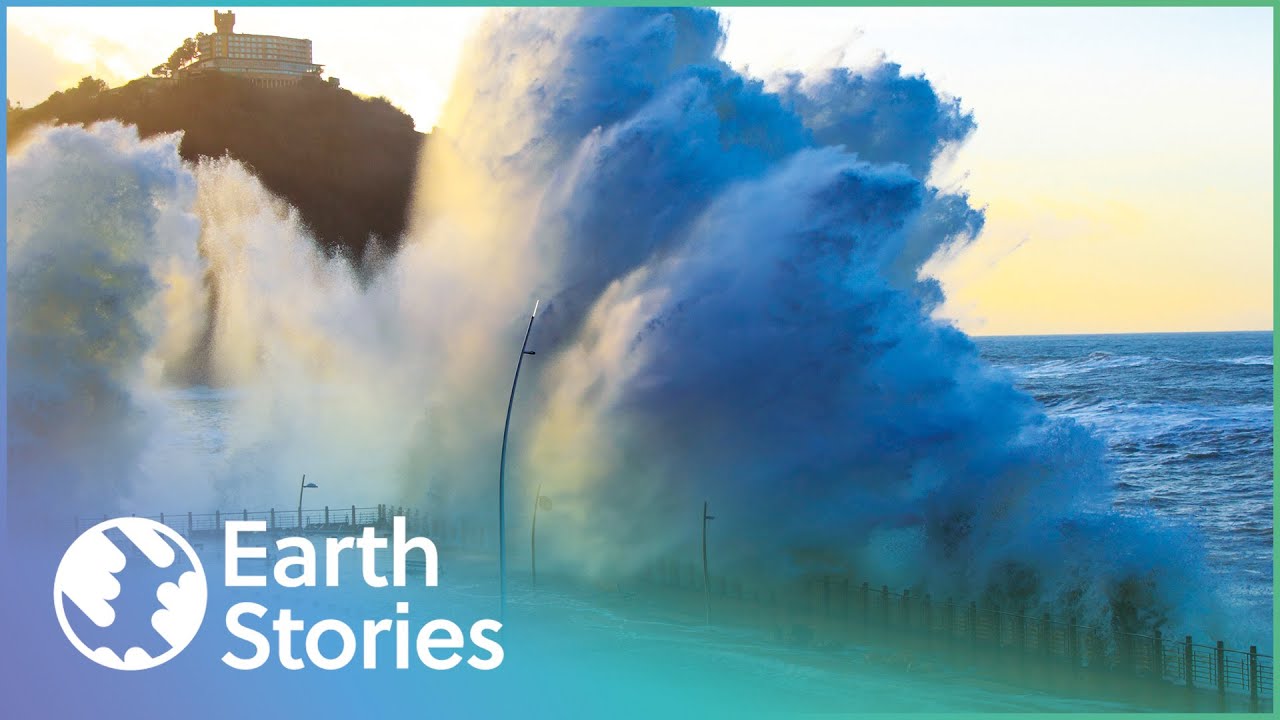
The Deadliest Tsunamis Of All Time | Mega Disaster | Earth Stories
⚡ THE VIBE
✨Tsunamis are not your average ocean waves; they are immense, powerful series of waves caused by large-scale disturbances, often from seismic activity, capable of traveling across entire oceans and unleashing catastrophic destruction upon coastal communities. 🌊
§1The Unseen Giant: What Exactly is a Tsunami?
Imagine a ripple, but on an oceanic scale, triggered by an event so powerful it displaces an entire column of water from the seafloor to the surface. That, my friend, is the essence of a tsunami. Unlike regular wind-generated waves that only affect the surface, tsunamis involve the entire water column, from the ocean floor to the surface. This means they carry an incredible amount of energy. Out in the deep ocean, a tsunami might only be a foot or two high, barely noticeable to a ship, but it's racing across the sea at speeds comparable to a jet plane – sometimes over 800 km/h (500 mph)! 🚀 It's a silent, swift killer, often arriving with little to no warning until it's too late. The word "tsunami" itself comes from Japanese, meaning "harbor wave" (津波), a poignant reflection of its devastating impact on coastal areas and ports. Understanding this fundamental difference is key to appreciating their power and the sheer terror they can inspire. They are truly one of Earth's most formidable natural phenomena. 🌍
§2The Earth's Tremors: How Tsunamis Are Born
So, what ignites these aquatic behemoths? The vast majority of tsunamis – about 80% – are born from subduction zone earthquakes. Picture two tectonic plates grinding past each other, one diving beneath the other. When these plates suddenly slip, they can vertically displace a massive amount of seafloor, which in turn displaces the overlying water. It's like dropping a giant rock into a bathtub, but on a planetary scale! 💥
However, earthquakes aren't the only culprits. Other dramatic geological events can also spawn tsunamis:
- Underwater landslides: Often triggered by earthquakes or volcanic eruptions, these can send huge volumes of sediment crashing down continental slopes, creating a sudden displacement of water.
- Volcanic eruptions: Especially those that occur on islands or underwater, can cause massive collapses of volcanic cones into the sea, generating powerful local tsunamis. The 1883 eruption of Krakatoa is a chilling example. 🌋
- Meteorite impacts: While incredibly rare in modern times, a large enough extraterrestrial impact into the ocean would undoubtedly create a global mega-tsunami. Thankfully, this is more the stuff of sci-fi than daily news! ☄️
Each of these events acts as a colossal plunger, sending ripples of immense energy across the ocean basin. The deeper the water, the faster and less noticeable the wave, storing its destructive potential until it reaches shallow coastal waters. 💡
§3From Deep Ocean to Devastating Shore: The Transformation
This is where the magic – and the terror – happens. As a tsunami approaches shallower coastal waters, a phenomenon called shoaling occurs. The leading edge of the wave starts to slow down due to friction with the seabed, but the trailing waves are still moving at high speed. This causes the wave to compress, growing dramatically in height and gaining immense destructive power. What was once a subtle hump in the open ocean transforms into a towering wall of water, or more commonly, a rapidly rising tide that surges far inland. 🌊
The first sign of an approaching tsunami can sometimes be a dramatic drawback of the ocean, where the sea recedes far beyond the lowest tide mark, exposing the seabed. This is the trough of the wave arriving first, pulling water away before the crest crashes in. While fascinating, it's an incredibly dangerous warning sign, as many curious onlookers have been tragically swept away by the subsequent wave. The sheer volume of water, carrying debris like houses, cars, and trees, acts like a liquid bulldozer, reshaping coastlines in mere minutes. The destructive force isn't just from the initial wave, but from the powerful currents and subsequent waves that can follow for hours. 🌪️
§4Echoes of Destruction: Historical & Modern Impact
Tsunamis have carved their devastating mark throughout human history, leaving behind tales of unimaginable loss and resilience. The 2004 Indian Ocean Tsunami, triggered by a colossal magnitude 9.1 earthquake off Sumatra, is perhaps the most globally recognized modern example. It claimed over 230,000 lives across 14 countries, forever altering the geopolitical landscape of disaster preparedness. 💔 The 2011 Tōhoku Earthquake and Tsunami in Japan, while causing immense destruction and triggering the Fukushima Daiichi nuclear disaster, also showcased the incredible effectiveness of Japan's advanced warning systems and infrastructure, which undoubtedly saved countless lives. 🇯🇵
These events have spurred significant advancements in tsunami warning systems globally, particularly in the Pacific and Indian Oceans. Networks of seismic sensors and deep-ocean buoys (DART buoys) now continuously monitor for potential tsunami-generating events, allowing for precious minutes or hours of warning. Education and community preparedness are equally crucial, teaching coastal populations about evacuation routes and the critical importance of heeding warnings. The memory of these natural disasters serves as a powerful reminder of our planet's raw power and the ongoing need for vigilance and scientific innovation. 🛰️🚨
§5Living with the Waves: Preparedness and Future Outlook
In 2026, our understanding and preparedness for tsunamis have come a long way, yet the threat remains ever-present for coastal communities worldwide. The science of seismology and oceanography continues to evolve, refining our ability to predict, detect, and model tsunami behavior. Advanced computational models can now simulate tsunami propagation with remarkable accuracy, helping urban planners identify vulnerable areas and design more resilient infrastructure. 💻
However, the human element remains paramount. Effective warning systems are only as good as the community's response. Ongoing efforts focus on:
- Public education: Ensuring everyone living in coastal zones understands the risks and knows what to do when a warning is issued. 🗣️
- Evacuation drills: Regular practice helps communities react swiftly and calmly under pressure.
- Coastal zoning and building codes: Implementing regulations that restrict construction in high-risk areas and mandate tsunami-resistant building practices. 🏗️
- International cooperation: Sharing data and expertise across borders, as tsunamis respect no national boundaries. 🤝
The future of tsunami preparedness lies in a blend of cutting-edge technology, robust infrastructure, and informed, resilient communities. While we can't stop the Earth from rumbling, we can certainly learn to live more safely with its most formidable waves. 🌟