Trade Agreements
The intricate dance of nations, shaping economies and global destinies! 🤝🌍
Featured partners and sponsors
New advertisers get $25 in ad credits
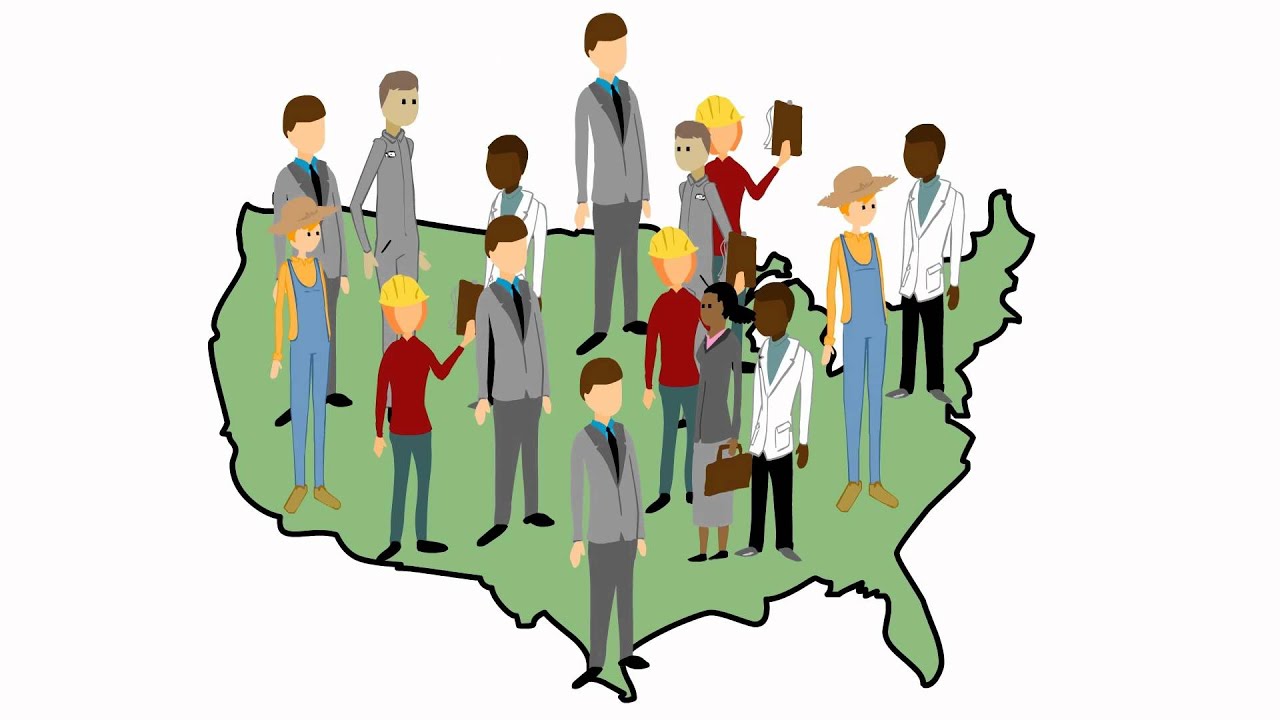
Corporations 101: What Are Free Trade Agreements?
⚡ THE VIBE
✨Trade agreements are the **rulebooks of international commerce**, meticulously crafted pacts between nations that define the terms of their economic exchanges, shaping everything from the price of your morning coffee to geopolitical alliances. They're far more than just dry legal texts; they're the beating heart of global economics! 💖
§1What Exactly Are Trade Agreements? 📜
At their core, trade agreements are legally binding contracts between two or more countries that aim to reduce barriers to trade and investment, fostering greater economic integration. Think of them as a grand bargain: "We'll make it easier for your goods and services to enter our market if you do the same for ours." These agreements can cover a dizzying array of topics, from tariffs and quotas to intellectual property rights, environmental standards, and even labor laws. They're designed to create a more predictable and stable environment for businesses to operate across borders, ideally leading to increased trade, economic growth, and greater prosperity for all involved. But as we'll see, their impact isn't always universally celebrated. 🤔
§2A Whirlwind History: From GATT to the Modern Era 🚀
The modern era of trade agreements truly kicked off after World War II with the establishment of the General Agreement on Tariffs and Trade (GATT) in 1947. Born from the ashes of war, GATT's primary goal was to liberalize trade and prevent the protectionist policies that had contributed to the Great Depression and global conflict. It operated as a provisional agreement for decades, holding multiple 'rounds' of negotiations (like the famous Uruguay Round) that steadily chipped away at trade barriers. 📉
In 1995, GATT evolved into the more robust and permanent World Trade Organization (WTO), a global body dedicated to overseeing international trade rules, facilitating negotiations, and resolving disputes. Beyond the multilateral framework of the WTO, the 21st century has seen a proliferation of bilateral (between two countries) and regional (between several countries in a specific region) agreements. Examples include the North American Free Trade Agreement (NAFTA) – now the USMCA – the European Union (EU), and the Comprehensive and Progressive Agreement for Trans-Pacific Partnership (CPTPP). Each agreement is a unique tapestry, reflecting the specific economic and political interests of its members. ✨
§3The Mechanics: How They Work (and Don't) ⚙️
Trade agreements typically function by setting out rules for how signatory countries will treat each other's goods, services, and investments. Key mechanisms include:
- Tariff Reductions: Lowering or eliminating taxes on imported goods, making them cheaper for consumers.
- Non-Tariff Barriers (NTBs): Addressing regulations, quotas, subsidies, and other policies that can restrict trade even without tariffs.
- Most-Favored-Nation (MFN) Treatment: A core WTO principle, meaning if you grant a trade concession to one country, you must grant it to all other WTO members (with some exceptions).
- National Treatment: Treating imported goods and services no less favorably than domestically produced ones once they've entered the market.
However, these agreements aren't always smooth sailing. Negotiations can be incredibly complex and contentious, often involving years of intricate discussions. Furthermore, while they aim to create a 'level playing field,' critics argue they can sometimes favor larger economies, exploit labor in developing nations, or undermine environmental protections. It's a constant balancing act! ⚖️
§4Impact & Controversy: A Double-Edged Sword ⚔️
The impact of trade agreements is undeniably profound and often debated. Proponents argue they lead to:
- Economic Growth: By expanding markets and increasing competition, leading to lower prices and more choice for consumers. 📈
- Efficiency: Encouraging countries to specialize in what they do best, boosting global productivity.
- Innovation: Through increased competition and the sharing of ideas and technologies. 💡
- Geopolitical Stability: By fostering interdependence and cooperation between nations.
Yet, critics raise valid concerns:
- Job Displacement: Industries unable to compete with cheaper imports may shed jobs, particularly in manufacturing. 🏭
- Environmental Concerns: Lowering standards to attract investment can lead to 'race to the bottom' scenarios.
- Sovereignty Issues: Agreements can constrain a government's ability to set its own domestic policies.
- Inequality: Benefits may not be evenly distributed, potentially widening the gap between rich and poor within countries. 📉
The discussions around agreements like Brexit or the Trans-Pacific Partnership highlight these tensions, demonstrating that trade isn't just about economics; it's deeply intertwined with social values, national identity, and political power. 🗣️