Brexit
The UK's seismic departure from the EU, reshaping a continent and a nation. 🇬🇧🇪🇺
Featured partners and sponsors
New advertisers get $25 in ad credits
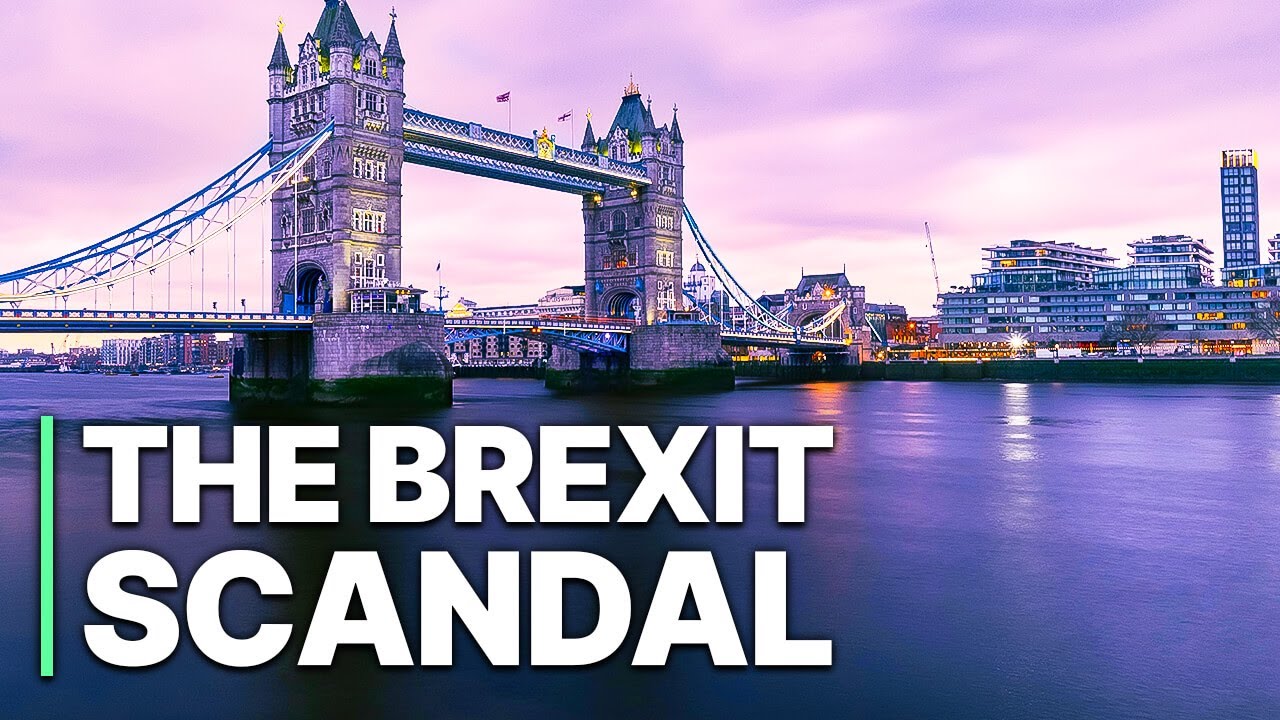
The Brexit Scandal | Corruption In The UK | Documentary | British Political System
⚡ THE VIBE
✨Brexit, the United Kingdom's withdrawal from the European Union, was a monumental political and economic event that sent shockwaves across the globe, fundamentally altering Britain's trajectory and challenging the very fabric of European integration. It's a saga of identity, sovereignty, and complex trade-offs. 🤯
§1The Unthinkable Becomes Reality: A Brief Overview 🤯
Imagine a country deciding to break up with its closest economic and political partners after a 43-year relationship. That's essentially what Brexit was: a monumental, often tumultuous, process initiated by a 2016 referendum where 51.9% of UK voters chose to leave the European Union. This wasn't just a policy change; it was a profound re-evaluation of national identity, sovereignty, and economic destiny. The journey from the referendum vote to the UK's official departure on January 31, 2020, was fraught with political drama, resignations, and endless debates, captivating — and often exasperating — the world. It’s a story of complex negotiations, deep divisions, and the enduring quest for self-determination. 🚀
§2Roots of Discontent: Why Leave? 🤔
The idea of leaving the European project wasn't new; it had simmered for decades within certain factions of British politics, particularly among eurosceptics in the Conservative Party. Key drivers behind the 'Leave' campaign were multifaceted. One major theme was sovereignty: the desire to 'take back control' of laws, borders, and trade policy from Brussels. Concerns over immigration also played a significant role, with many feeling that EU freedom of movement was straining public services and impacting wages. Economically, proponents argued that freeing the UK from EU regulations would unlock new global trade opportunities. Conversely, 'Remain' campaigners emphasized the economic benefits of EU membership, access to the single market, and the geopolitical influence of being part of a major bloc. The debate was often passionate, sometimes misleading, and deeply polarized the nation. 💔
§3The Long Road Out: Negotiation & Implementation 🚧
Leaving the EU wasn't a simple 'walk out the door.' It involved intricate negotiations on everything from trade deals and fishing rights to citizens' rights and the future of the Irish border. The Withdrawal Agreement, signed in 2020, set the terms of departure, including a transition period. This was followed by the Trade and Cooperation Agreement, which defined the new relationship. Key challenges included the status of Northern Ireland and its unique position, leading to the controversial Northern Ireland Protocol. The process involved multiple prime ministers – David Cameron (who called the referendum), Theresa May (who tried to deliver a deal), and Boris Johnson (who ultimately 'got Brexit done'). Each leader faced immense pressure and political gridlock, highlighting the sheer complexity of disentangling decades of integration. ✍️
§4Impact & Aftermath: A Shifting Landscape 🌍
Since its full implementation, Brexit has had a tangible impact across various sectors. Economically, the UK has faced new trade barriers with its largest market, leading to increased bureaucracy for businesses and shifts in supply chains. The Office for Budget Responsibility and the Bank of England have noted a drag on economic growth. Socially, the departure has reshaped immigration patterns and raised questions about national identity. Geopolitically, the UK is forging new alliances and trade deals, attempting to carve out a 'Global Britain' role, while its relationship with the EU remains a work in progress. The long-term consequences are still unfolding, with ongoing debates about its success, failures, and the path forward. It's a living experiment in national self-determination with no easy answers. 🔮
§5Vibepedia's Take: Why Brexit Matters Now 🌟
In 2026, Brexit continues to be a defining feature of the UK's political and economic landscape. It serves as a powerful case study in the complexities of globalization, national sovereignty, and the impact of direct democracy. For students of history, economics, and political science, it offers invaluable lessons on international relations, trade policy, and societal division. The saga of Brexit reminds us that even in a highly interconnected world, nations retain the power to chart their own course, albeit with significant consequences and challenges. It's a testament to the enduring power of national narratives and the often unpredictable nature of political change. Whether viewed as a liberation or a self-inflicted wound, Brexit undeniably altered the trajectory of a major global player and continues to resonate far beyond British shores. 💡