
Contents
- 📈 Introduction to Benchmarking
- 📊 Types of Benchmarking
- 📈 Internal Benchmarking: A Closer Look
- 📊 External Benchmarking: Best Practices
- 📈 Competitive Benchmarking: Staying Ahead
- 📊 Benchmarking Metrics: Key Performance Indicators
- 📈 Implementing Benchmarking: A Step-by-Step Guide
- 📊 Overcoming Benchmarking Challenges
- 📈 The Future of Benchmarking: Trends and Innovations
- 📊 Case Studies: Successful Benchmarking in Action
- 📈 Conclusion: Benchmarking for Business Success
- Frequently Asked Questions
- Related Topics
Overview
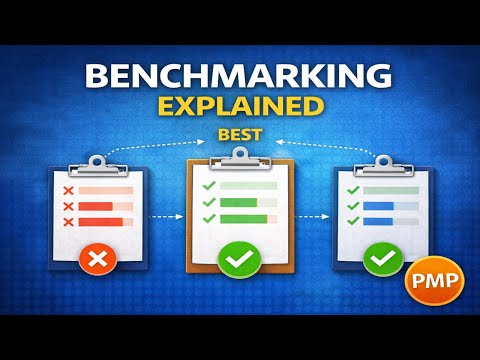
Industry benchmarking is a crucial tool for companies to evaluate their performance and identify areas for improvement. There are several types of benchmarking, including internal, external, and competitive benchmarking. Internal benchmarking involves comparing different departments or processes within the same organization, while external benchmarking involves comparing with other companies, either within the same industry or outside of it. Competitive benchmarking, on the other hand, focuses on comparing with direct competitors. According to a study by the American Productivity and Quality Center, companies that engage in benchmarking are more likely to experience significant improvements in productivity and quality. For instance, a company like General Electric has been known to use benchmarking to improve its manufacturing processes, resulting in significant cost savings. The use of benchmarking can also be seen in the tech industry, where companies like Google and Amazon use it to stay ahead of the competition. With the rise of big data and analytics, benchmarking is becoming increasingly important for companies to stay competitive. As noted by Michael Hammer, a renowned business author, 'benchmarking is not just about comparing numbers, it's about understanding the processes and practices that drive those numbers'.
📈 Introduction to Benchmarking
Benchmarking is a crucial aspect of business strategy, allowing companies to evaluate their performance and identify areas for improvement. By comparing themselves to others, businesses can gain valuable insights and stay competitive in their industry. Business Strategy involves various techniques, including SWOT Analysis and Market Research. Effective benchmarking requires a deep understanding of the company's strengths and weaknesses, as well as the ability to gather and analyze data. Data Analysis plays a vital role in benchmarking, as it helps businesses to identify trends and patterns. By leveraging Business Intelligence tools, companies can make informed decisions and drive growth.
📊 Types of Benchmarking
There are several types of benchmarking, each with its own unique characteristics and benefits. Internal Benchmarking involves comparing different departments or teams within the same company, while External Benchmarking involves comparing the company to others in the industry. Competitive Benchmarking is a type of external benchmarking that focuses on comparing the company to its direct competitors. Functional Benchmarking involves comparing specific functions or processes, such as Supply Chain Management or Customer Service. By understanding the different types of benchmarking, businesses can choose the approach that best suits their needs.
📈 Internal Benchmarking: A Closer Look
Internal benchmarking is a valuable tool for companies looking to improve their internal processes and increase efficiency. By comparing different departments or teams, businesses can identify areas where they can improve and implement changes to increase productivity. Process Improvement is a key aspect of internal benchmarking, as it helps companies to streamline their operations and reduce waste. Employee Engagement is also crucial, as it helps to motivate staff and increase job satisfaction. By using Internal Benchmarking techniques, companies can create a more efficient and effective work environment. Organizational Development is also an important consideration, as it helps businesses to align their internal processes with their overall strategy.
📊 External Benchmarking: Best Practices
External benchmarking involves comparing the company to others in the industry, and is a valuable way to gain insights and stay competitive. By analyzing the strengths and weaknesses of other companies, businesses can identify areas where they can improve and implement changes to increase their market share. Market Analysis is a key aspect of external benchmarking, as it helps companies to understand their competitors and identify opportunities for growth. Competitive Intelligence is also crucial, as it helps businesses to stay ahead of the competition and anticipate changes in the market. By using External Benchmarking techniques, companies can gain a deeper understanding of their industry and make informed decisions. Strategic Management is also an important consideration, as it helps businesses to align their external benchmarking efforts with their overall strategy.
📈 Competitive Benchmarking: Staying Ahead
Competitive benchmarking is a type of external benchmarking that focuses on comparing the company to its direct competitors. This approach is particularly useful for businesses looking to gain a competitive edge and increase their market share. By analyzing the strengths and weaknesses of their competitors, companies can identify areas where they can improve and implement changes to increase their competitiveness. Competitor Analysis is a key aspect of competitive benchmarking, as it helps businesses to understand their competitors and identify opportunities for growth. Market Trends are also an important consideration, as they help companies to anticipate changes in the market and stay ahead of the competition. By using Competitive Benchmarking techniques, businesses can gain a deeper understanding of their competitors and make informed decisions. Business Model Innovation is also an important consideration, as it helps companies to stay ahead of the competition and anticipate changes in the market.
📊 Benchmarking Metrics: Key Performance Indicators
Benchmarking metrics are a crucial aspect of the benchmarking process, as they help businesses to measure their performance and identify areas for improvement. Key Performance Indicators (KPIs) are a type of benchmarking metric that helps companies to track their progress and achieve their goals. Financial Metrics such as revenue and profit are also important, as they help businesses to understand their financial performance and make informed decisions. Non-Financial Metrics such as customer satisfaction and employee engagement are also crucial, as they help companies to understand their overall performance and identify areas for improvement. By using Benchmarking Metrics, businesses can gain a deeper understanding of their performance and make informed decisions. Data-Driven Decision Making is also an important consideration, as it helps companies to make informed decisions and drive growth.
📈 Implementing Benchmarking: A Step-by-Step Guide
Implementing benchmarking requires a structured approach, and businesses should follow a step-by-step guide to ensure success. The first step is to identify the areas of the business that need improvement, and to establish clear goals and objectives. Strategic Planning is a key aspect of this process, as it helps companies to align their benchmarking efforts with their overall strategy. The next step is to gather data and information, and to analyze it to identify trends and patterns. Data Collection is a crucial aspect of this process, as it helps businesses to gather the information they need to make informed decisions. By using Benchmarking Tools and techniques, companies can streamline their benchmarking efforts and achieve their goals. Change Management is also an important consideration, as it helps businesses to implement changes and drive growth.
📊 Overcoming Benchmarking Challenges
Overcoming benchmarking challenges requires a deep understanding of the obstacles that businesses may face, and the ability to develop strategies to overcome them. One of the main challenges is the lack of data and information, which can make it difficult for companies to establish accurate benchmarks. Data Quality is a key aspect of this process, as it helps businesses to ensure that their data is accurate and reliable. Another challenge is the difficulty of comparing different companies and industries, which can make it hard to establish meaningful benchmarks. Industry Analysis is a crucial aspect of this process, as it helps companies to understand their industry and identify opportunities for growth. By using Benchmarking Best Practices, businesses can overcome these challenges and achieve their goals. Continuous Improvement is also an important consideration, as it helps companies to stay ahead of the competition and drive growth.
📈 The Future of Benchmarking: Trends and Innovations
The future of benchmarking is likely to involve the use of new technologies and techniques, such as Artificial Intelligence and Machine Learning. These technologies will help businesses to gather and analyze data more efficiently, and to establish more accurate benchmarks. Digital Transformation is a key aspect of this process, as it helps companies to leverage new technologies and drive growth. Another trend is the increasing importance of Sustainability and Corporate Social Responsibility, which will require businesses to establish benchmarks that take into account their social and environmental impact. By using Benchmarking Trends and techniques, companies can stay ahead of the competition and drive growth. Innovation Management is also an important consideration, as it helps businesses to stay ahead of the competition and anticipate changes in the market.
📊 Case Studies: Successful Benchmarking in Action
Case studies of successful benchmarking in action can provide valuable insights and lessons for businesses looking to implement benchmarking. For example, Amazon has used benchmarking to improve its supply chain management and increase its competitiveness. Google has used benchmarking to improve its innovation management and stay ahead of the competition. By studying these case studies, businesses can gain a deeper understanding of how to implement benchmarking and achieve their goals. Best Practices are a key aspect of this process, as they help companies to establish accurate benchmarks and drive growth. Lessons Learned are also an important consideration, as they help businesses to avoid common pitfalls and stay ahead of the competition.
📈 Conclusion: Benchmarking for Business Success
In conclusion, benchmarking is a crucial aspect of business strategy that can help companies to evaluate their performance and identify areas for improvement. By using Benchmarking techniques and tools, businesses can gain a deeper understanding of their industry and make informed decisions. Strategic Management is a key aspect of this process, as it helps companies to align their benchmarking efforts with their overall strategy. By leveraging Business Intelligence and Data Analysis, businesses can drive growth and stay ahead of the competition. Future of Business is also an important consideration, as it helps companies to anticipate changes in the market and stay ahead of the competition.
Key Facts
- Year
- 2022
- Origin
- Vibepedia
- Category
- Business Strategy
- Type
- Concept
Frequently Asked Questions
What is benchmarking?
Benchmarking is the process of comparing a company's performance to that of others in the industry, in order to identify areas for improvement and establish best practices. Benchmarking involves gathering and analyzing data, and using it to establish accurate benchmarks. Business Strategy is a key aspect of this process, as it helps companies to align their benchmarking efforts with their overall strategy. By using Benchmarking techniques and tools, businesses can gain a deeper understanding of their industry and make informed decisions.
What are the different types of benchmarking?
There are several types of benchmarking, including Internal Benchmarking, External Benchmarking, and Competitive Benchmarking. Each type of benchmarking has its own unique characteristics and benefits, and companies should choose the approach that best suits their needs. Business Intelligence is a key aspect of this process, as it helps companies to gather and analyze data, and establish accurate benchmarks. By using Benchmarking techniques and tools, businesses can gain a deeper understanding of their industry and make informed decisions.
How do I implement benchmarking in my company?
Implementing benchmarking requires a structured approach, and businesses should follow a step-by-step guide to ensure success. The first step is to identify the areas of the business that need improvement, and to establish clear goals and objectives. Strategic Planning is a key aspect of this process, as it helps companies to align their benchmarking efforts with their overall strategy. The next step is to gather data and information, and to analyze it to identify trends and patterns. By using Benchmarking Tools and techniques, companies can streamline their benchmarking efforts and achieve their goals.
What are the benefits of benchmarking?
The benefits of benchmarking include improved performance, increased competitiveness, and better decision-making. By using Benchmarking techniques and tools, businesses can gain a deeper understanding of their industry and make informed decisions. Business Intelligence is a key aspect of this process, as it helps companies to gather and analyze data, and establish accurate benchmarks. By leveraging Data Analysis and Business Intelligence, businesses can drive growth and stay ahead of the competition.
How do I overcome benchmarking challenges?
Overcoming benchmarking challenges requires a deep understanding of the obstacles that businesses may face, and the ability to develop strategies to overcome them. One of the main challenges is the lack of data and information, which can make it difficult for companies to establish accurate benchmarks. Data Quality is a key aspect of this process, as it helps businesses to ensure that their data is accurate and reliable. By using Benchmarking Best Practices and techniques, companies can overcome these challenges and achieve their goals.