The Great Migration (African Americans)
The seismic shift that reshaped a nation and redefined Black identity 🌍
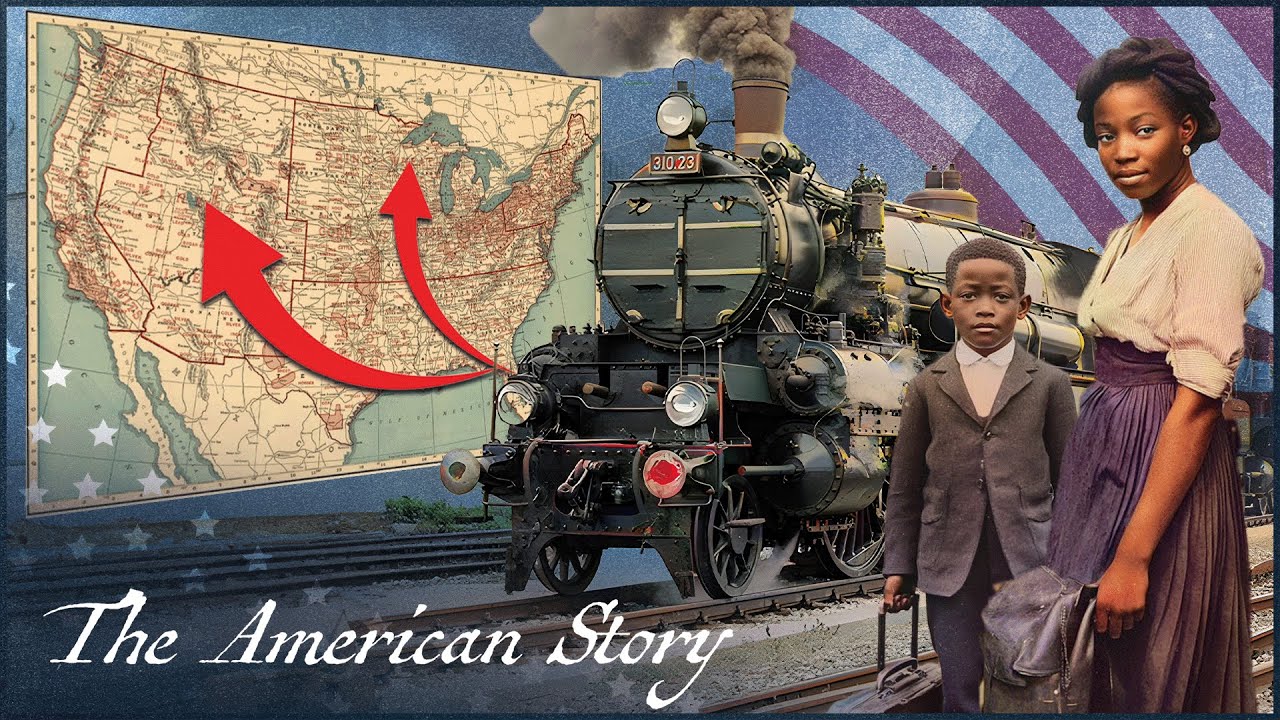
The Great Migration: How 6 Million African-Americans Escaped Jim Crow
⚡ THE VIBE
✨The Great Migration was a monumental demographic event where over six million African Americans moved from the rural Southern United States to the urban Northeast, Midwest, and West, fundamentally transforming American society, culture, and politics. It was a powerful exodus driven by the promise of a better life and an escape from systemic oppression. ✨
§1The Exodus Begins: A Nation on the Move 🌍
Imagine a country where millions of its citizens, after generations of systemic oppression and economic hardship, decide to pack up their lives and seek a new beginning. That, my friends, is the essence of The Great Migration. From roughly 1916 to 1970, this wasn't just a movement of people; it was a tectonic shift of culture, labor, and dreams. African Americans, primarily from the agrarian South, left behind the brutal realities of Jim Crow laws, sharecropping, and racial violence, heading towards the industrial centers of the North, Midwest, and West. This wasn't a sudden burst but a sustained, decades-long flow, fundamentally re-sculpting the demographic and cultural landscape of the United States. It's a story of resilience, hope, and the relentless pursuit of dignity. 🛤️
§2Roots of the Journey: Push & Pull Factors ⚖️
What compels millions to leave their ancestral homes? For African Americans in the South, the 'push' factors were overwhelming. The post-Reconstruction era had cemented racial segregation and disenfranchisement through Jim Crow laws, making daily life a struggle for basic rights and safety. Economic opportunities were severely limited, with many trapped in cycles of debt through sharecropping and tenant farming. The constant threat of lynching and other forms of racial terror cast a long, dark shadow. 💔 Simultaneously, powerful 'pull' factors beckoned from the North. The booming industrial economy, especially during and after World War I and World War II, created a desperate need for labor in factories, steel mills, and assembly lines. Recruiters actively sought Southern Black workers, promising better wages and, crucially, a perceived escape from the rigid racial hierarchy of the South. The allure of voting rights, better education, and a chance at upward mobility was a powerful magnet. 💡
§3Reshaping Cities: New Lives, New Challenges 🏙️
Upon arrival, migrants transformed cities like Chicago, New York, Detroit, and Los Angeles. Neighborhoods like Harlem in New York City and the South Side of Chicago became vibrant centers of Black culture, art, and intellectual life. This influx of talent and energy fueled movements like the Harlem Renaissance, giving birth to new forms of music (jazz, blues), literature, and political thought. However, the move wasn't without its challenges. Northern cities, while offering more freedom, were far from a utopia. Migrants often faced new forms of de facto segregation in housing and employment, leading to overcrowded tenements and fierce competition for jobs. Racial tensions sometimes erupted into violence, such as the infamous Chicago Race Riot of 1919. Yet, through it all, communities thrived, building churches, businesses, and social networks that would become the bedrock of the modern Civil Rights Movement. 💪
§4A Cultural & Political Revolution ✊
The Great Migration didn't just move bodies; it moved culture. The sounds of the South—blues, gospel, and eventually jazz—traveled north, evolving into new genres that would define American music for decades. Think of the raw energy of Muddy Waters in Chicago or the sophisticated swing of Duke Ellington in Harlem. These artists, many of them migrants, created a soundtrack for a changing nation. Politically, the concentration of African Americans in Northern cities created new voting blocs, giving Black communities unprecedented political power. This newfound influence was instrumental in laying the groundwork for the Civil Rights Movement of the 1950s and 60s, providing both the demographic weight and the organizational infrastructure needed to challenge systemic racism nationwide. The ripple effects are still felt today, in our music, our politics, and our understanding of American identity. 🎶🗳️
§5Legacy in 2026: Echoes of the Journey 🌟
In 2026, the legacy of the Great Migration is undeniable and continues to shape contemporary America. The demographic patterns established during this period largely define the racial makeup of our major cities and their surrounding suburbs. The cultural innovations born from the migration are woven into the fabric of global pop culture, from hip-hop's roots in urban Black communities to the enduring influence of jazz. Historians and sociologists continue to unpack its complexities, examining its impact on everything from family structures to wealth disparities. While the overt 'push' factors of Jim Crow are thankfully in the past, understanding this massive internal migration helps us contextualize ongoing conversations about racial equity, urban development, and the persistent pursuit of the American Dream for all its citizens. It's a testament to the enduring human spirit and the power of collective action. 🚀