Sharecropping
The complex legacy of land, labor, and a promise unfulfilled. 💔🌾
Featured partners and sponsors
New advertisers get $25 in ad credits
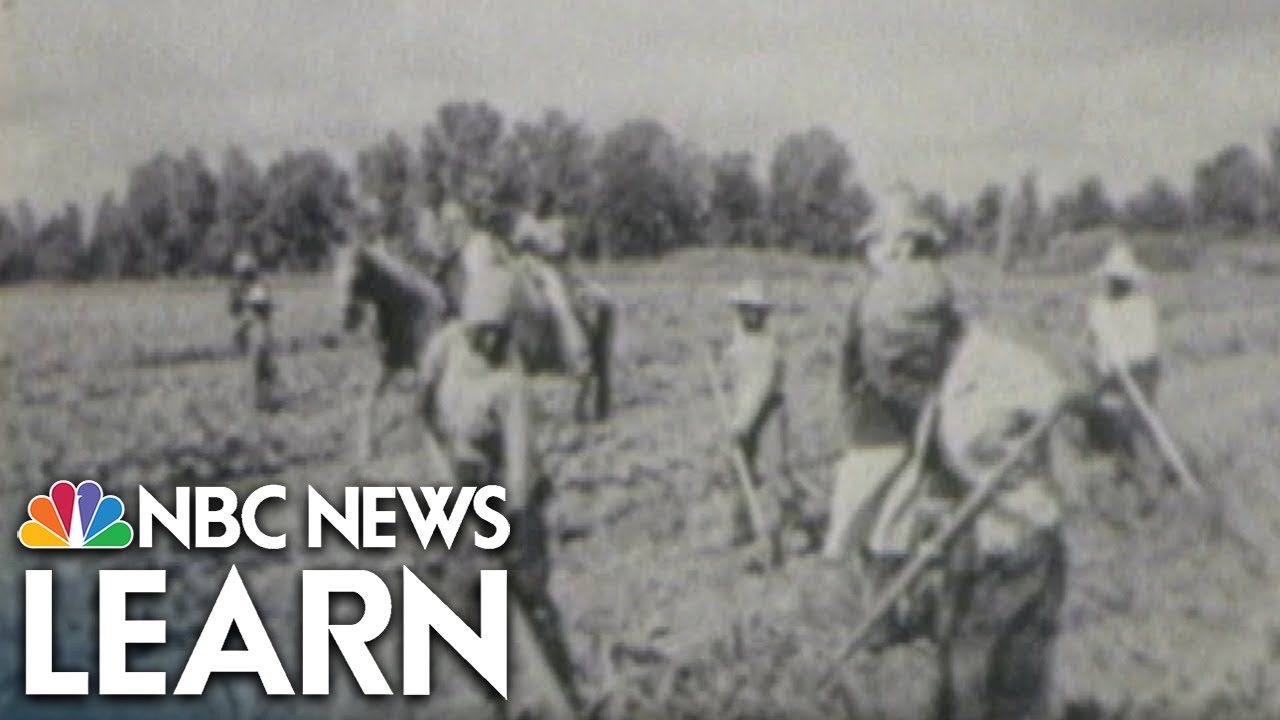
Sharecropping in the Post-Civil War South
⚡ THE VIBE
✨Sharecropping was a pervasive agricultural labor system that emerged in the American South after the Civil War, trapping millions of formerly enslaved people and poor white farmers in cycles of debt and dependency, profoundly shaping the region's economic and social landscape for nearly a century. It's a stark reminder of economic exploitation dressed in agricultural garb. 💔
§1The Aftermath of Freedom: A New Form of Servitude
Imagine the year 1865. The Civil War has ended, and nearly four million enslaved people are suddenly free. 🎉 But freedom, while monumental, didn't come with land, tools, or capital. The vast plantations, once powered by chattel slavery, still existed, and their owners still needed labor. Enter sharecropping: a seemingly pragmatic solution that quickly devolved into a system of economic oppression. It wasn't just a way to farm; it was a societal structure that dictated lives, livelihoods, and the very fabric of the post-Reconstruction South. It's a critical chapter in understanding the long shadow of slavery and the struggle for true economic justice in America. 🇺🇸
§2How the System Worked (or Didn't Work)
At its core, sharecropping involved a landowner allowing a tenant (the sharecropper) to use their land in exchange for a share of the crop produced. Sounds fair, right? Not quite. The landowner typically provided the land, housing, tools, seeds, and often credit for food and supplies. The sharecropper, in return, would cultivate the land and give a significant portion—often half, sometimes more—of their harvest back to the landowner. This arrangement created a perilous cycle: the sharecropper would accrue debt for supplies throughout the year, which would then be deducted from their harvest share. 📉
Often, the debt would exceed the value of their share, leaving them perpetually indebted to the landowner. This was known as debt peonage, a system that legally bound sharecroppers to the land until their debts were paid—a debt that was almost impossible to escape. Landowners frequently manipulated accounts, ensuring that sharecroppers remained in their thrall. It was a system designed to keep labor cheap and tied to the land, effectively replacing chattel slavery with a new form of economic bondage. 🔗
§3The Human Cost: Lives Defined by the Plow
For millions of African Americans, sharecropping was a brutal reality. It was freedom deferred, a constant struggle against poverty, illiteracy, and systemic discrimination. Families, including children, toiled from dawn till dusk in the fields, primarily cultivating cotton 🌿, which remained the South's dominant cash crop. The lack of land ownership meant no collateral for loans, no generational wealth accumulation, and limited opportunities for upward mobility. This economic vulnerability was compounded by Jim Crow laws and racial terror, which further cemented their subordinate status.
While predominantly affecting Black families, many poor white farmers also became sharecroppers, facing similar economic hardships, albeit without the added burden of racial oppression. The system fostered a profound sense of powerlessness and hopelessness, contributing to the Great Migration as millions fled the South seeking better opportunities in northern cities. 🚂
§4Decline and Legacy: A Shadow That Lingers
Sharecropping began its slow decline in the 1930s with the Great Depression and New Deal agricultural policies, particularly the Agricultural Adjustment Act (AAA), which paid landowners to reduce crop production. This often led to sharecroppers being evicted. The mechanization of agriculture, especially the widespread adoption of the cotton picker in the mid-20th century, delivered the final blow to the system, rendering manual labor less essential. 🚜
However, the legacy of sharecropping is profound and far-reaching. It contributed to the deep-seated poverty in the rural South, exacerbated racial inequality, and shaped the region's demographic shifts. Its impact on wealth disparities, land ownership patterns, and the ongoing struggle for racial justice is still felt today. Understanding sharecropping is crucial for grasping the complex history of racial inequality and wealth disparity in the United States. It serves as a powerful historical lesson on how economic systems can perpetuate injustice long after legal reforms are enacted. 💡