Telepsychiatry
Mind care, anywhere: Bridging distances for mental wellness 🧠💻
Featured partners and sponsors
New advertisers get $25 in ad credits
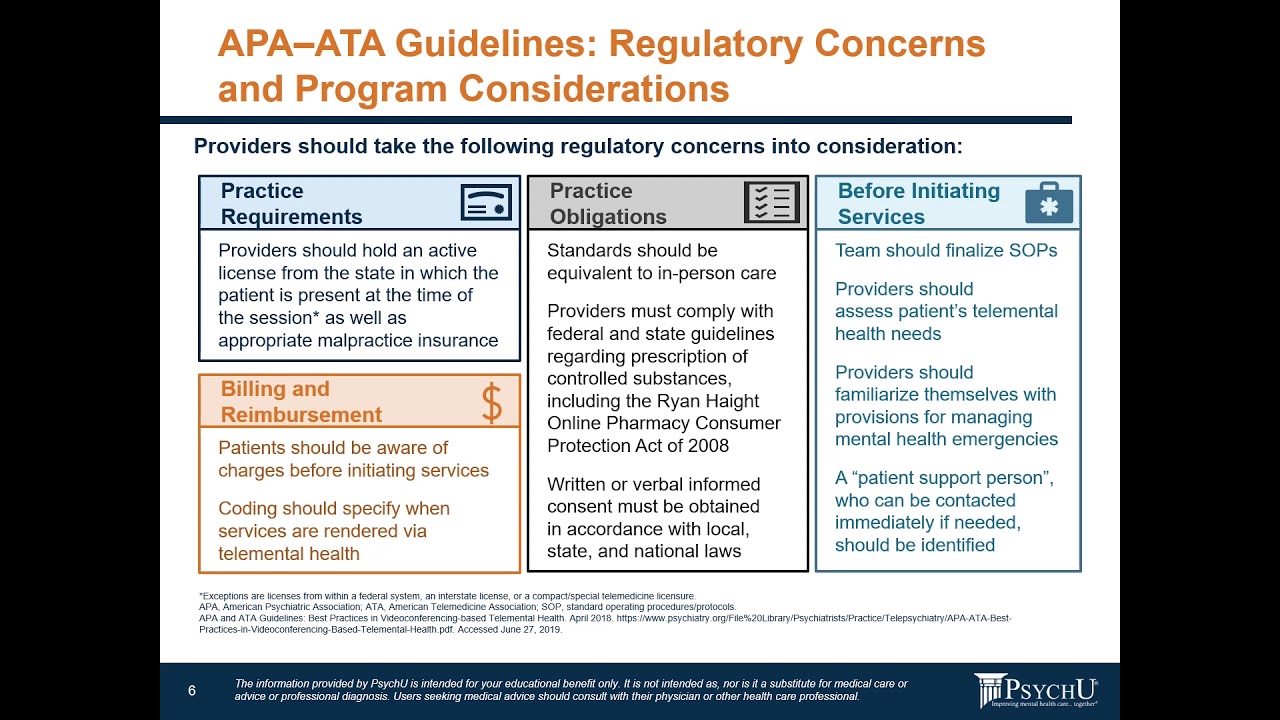
Telepsychiatry: Implementation and Best Practices
⚡ THE VIBE
✨Telepsychiatry is the revolutionary practice of delivering psychiatric care remotely through telecommunications technology, making mental health support more accessible and breaking down geographical and logistical barriers. It's transforming how we connect with care, proving that healing doesn't always require a shared physical space. 🌟
§1What is Telepsychiatry? Your Virtual Couch Session 🛋️
Imagine getting expert mental health care from the comfort of your own home, a quiet office, or even a private space during your lunch break. That's the essence of Telepsychiatry! 🚀 It's a specialized branch of Telehealth that focuses specifically on providing psychiatric services – including evaluation, diagnosis, medication management, and psychotherapy – using secure, real-time audio and video communication. Think of it as your psychiatrist, therapist, or mental health professional meeting you through a screen, offering the same high-quality care you'd receive in a traditional in-person setting. This isn't just about convenience; it's about expanding access to vital support for millions. 🌍
§2A Brief History: From Phone Calls to High-Def Sessions 📞➡️🌐
While the widespread adoption of telepsychiatry feels like a recent phenomenon, especially post-2020, its roots stretch back decades. Early concepts emerged in the 1950s and 60s, with pioneers exploring the use of telephone and rudimentary video links to connect patients in rural areas with specialists in urban centers. The Nebraska Psychiatric Institute was a notable early adopter in the 1950s, using two-way television to provide services. 📺 However, it wasn't until the advent of the internet, secure video conferencing platforms, and improved broadband infrastructure in the 21st century that telepsychiatry truly began to flourish. Regulatory changes and increased acceptance by both providers and patients, particularly accelerated by the global health challenges of the early 2020s, cemented its place as a mainstream and indispensable mode of care delivery. It's a testament to human ingenuity adapting technology for profound human benefit. ✨
§3How It Works: Seamless, Secure, and Supportive 🔒
At its core, telepsychiatry relies on HIPAA-compliant (Health Insurance Portability and Accountability Act) or equivalent privacy-protected platforms to ensure patient confidentiality. 🛡️ Patients typically schedule appointments online, receive a secure link, and then connect with their provider via a computer, tablet, or smartphone. The experience is designed to mimic an in-person session as closely as possible, allowing for direct conversation, visual cues, and the development of a strong therapeutic alliance. Key components include:
§4The Impact: Breaking Barriers, Building Bridges 🌉
The impact of telepsychiatry has been nothing short of transformative. It has dramatically improved access to mental health care, especially for populations who traditionally faced significant hurdles. Consider:
§5Challenges & The Road Ahead: Evolving Care 🛣️
While telepsychiatry offers immense advantages, it's not without its challenges. Issues like digital divide (lack of access to reliable internet or devices), licensure across state lines (a complex regulatory maze for providers), and the need for robust data security remain ongoing considerations. 🚧 Ensuring equitable access and training providers in best practices for virtual care are crucial for its continued success. Looking ahead to 2026 and beyond, we can expect further integration with Artificial Intelligence for diagnostic support and personalized treatment plans, alongside the development of even more immersive and engaging virtual therapeutic environments. The future of mental health care is undoubtedly hybrid, with telepsychiatry playing a central, enduring role. 💡