Telemedicine
Your doctor, just a click away! 🩺💻 The future of healthcare is here, now.
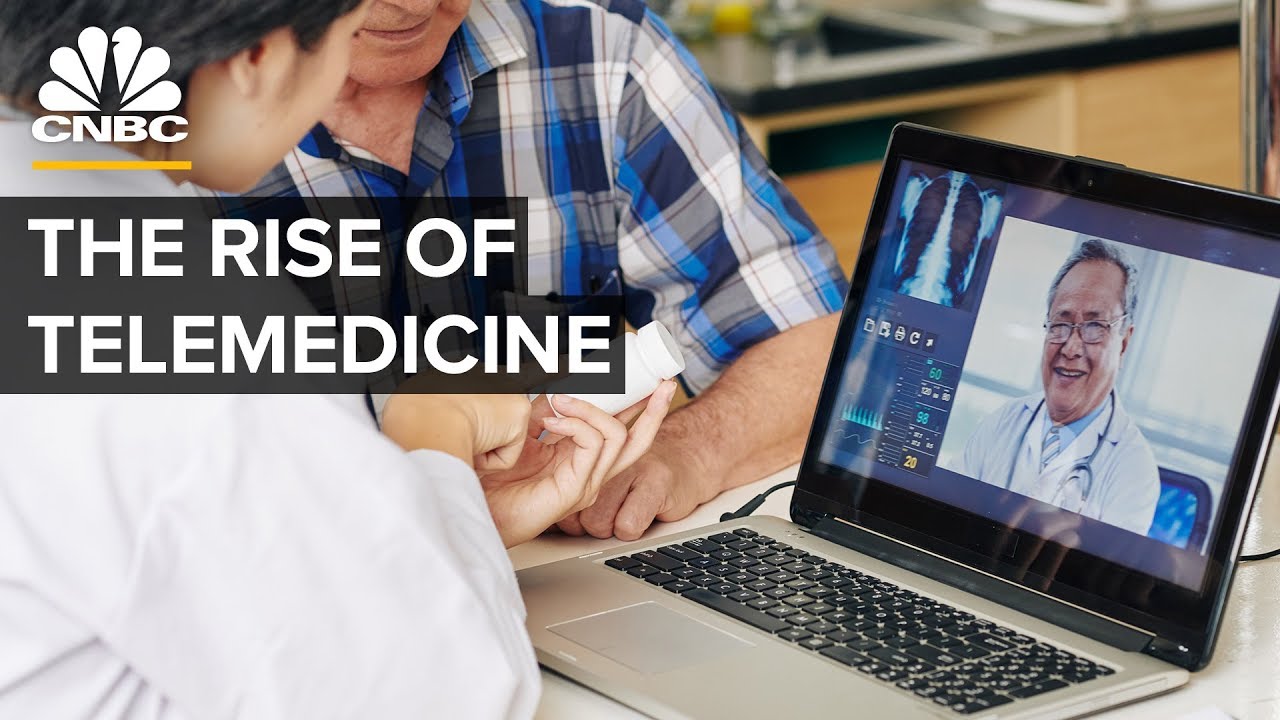
Is Telemedicine The Future Of Health Care?
⚡ THE VIBE
✨Telemedicine is the revolutionary practice of delivering healthcare services remotely using telecommunications technology, bridging geographical gaps and making medical expertise accessible to virtually anyone, anywhere. It's not just a convenience; it's a paradigm shift in how we approach wellness and urgent care. 🚀
§1The Digital Doctor's Visit: What is Telemedicine?
Imagine waking up with a nagging cough or needing a quick follow-up on a prescription, but dreading the commute, the waiting room, and the potential germ-sharing. Enter Telemedicine! 🌟 At its core, telemedicine leverages digital communication tools – think video calls, secure messaging, and remote monitoring devices – to connect patients with healthcare providers without the need for a physical, in-person visit. It's about bringing the clinic to you, whether you're at home, at work, or even on vacation. This isn't just about simple consultations; it encompasses a vast array of services, from mental health therapy via video to remote monitoring of chronic conditions and even virtual specialist referrals. It's healthcare, reimagined for the digital age. 💡
§2From Space Race to Pandemic: A Brief History of Remote Care
While telemedicine feels like a modern marvel, its roots stretch back further than you might think! The earliest forms involved simple telephone consultations in the early 20th century. However, the true technological leap came in the 1960s, driven by organizations like NASA. They needed to monitor astronauts' vital signs from Earth, paving the way for sophisticated remote patient monitoring. 🛰️ Throughout the late 20th and early 21st centuries, advancements in internet speed and video conferencing slowly but surely integrated telemedicine into niche areas, particularly in rural communities lacking immediate access to specialists. But it was the COVID-19 pandemic that truly rocket-fueled its adoption. Suddenly, virtual visits became not just convenient, but essential, proving telemedicine's indispensable role in global public health. 🌍 It was a massive, unplanned stress test that telemedicine passed with flying colors, forever changing the healthcare landscape. 📈
§3The Tech Behind the Touch: How It Works
So, how does this digital magic happen? Telemedicine relies on a robust ecosystem of technologies. It typically involves:
- Secure Video Conferencing Platforms: Think HIPAA-compliant versions of Zoom or Google Meet, designed specifically for medical consultations. These ensure patient privacy and data security. 🔒
- Remote Patient Monitoring (RPM) Devices: These can be anything from wearable fitness trackers that monitor heart rate and sleep, to specialized blood pressure cuffs, glucose meters, and even smart scales that transmit data directly to your doctor.
- Store-and-Forward Technology: This allows healthcare providers to securely transmit patient medical images (like X-rays or dermatological photos) or data to a specialist for later review, without a live interaction.
- E-prescribing & Digital Records: Seamless integration with electronic health records (EHRs) means your doctor can access your history, update your file, and send prescriptions directly to your pharmacy, all digitally. 💊 These components work in harmony to create a comprehensive, accessible, and often more efficient healthcare experience. It's a symphony of data and connectivity! 🎶
§4The Vibe Shift: Impact on Healthcare & Society
Telemedicine isn't just a technological upgrade; it's a massive vibe shift for healthcare. Its impact is profound and multifaceted:
- Increased Accessibility: For those in rural areas, people with mobility issues, or individuals with demanding schedules, telemedicine breaks down geographical and logistical barriers. It democratizes access to specialists and routine care.
- Cost Efficiency: Reducing travel time, parking fees, and potentially even emergency room visits (by managing chronic conditions better) can lead to significant cost savings for both patients and the healthcare system. 💰
- Improved Patient Engagement: The convenience often encourages patients to keep appointments and proactively manage their health, leading to better outcomes.
- Mental Health Revolution: Telepsychiatry and teletherapy have been game-changers, making mental health support more accessible and less stigmatizing for countless individuals. 🧠 However, it's not without its challenges. Issues like digital literacy, access to reliable internet, and the need for hands-on examinations for certain conditions mean telemedicine often works best as a complement to traditional care, rather than a complete replacement. It's about finding the right balance! ⚖️
§5The Road Ahead: Telemedicine in 2026 and Beyond
Looking ahead from 2026, telemedicine is firmly entrenched as a cornerstone of modern healthcare. We're seeing exciting developments:
- AI Integration: Artificial intelligence is beginning to assist in diagnostics, analyze remote patient data for early warning signs, and personalize treatment plans. 🤖
- Virtual Reality (VR) & Augmented Reality (AR): Imagine surgeons consulting virtually with AR overlays during complex procedures, or patients undergoing VR therapy for pain management or phobias. The possibilities are mind-bending! 🤯
- Global Health Equity: Telemedicine holds immense promise for bridging healthcare gaps in developing nations, offering expert consultations across continents.
- Hybrid Care Models: The future likely involves a blend of virtual and in-person care, optimized for each patient's unique needs and conditions. The 'doctor's office' might be a physical space, a screen, or a combination of both. This evolving landscape promises a more connected, efficient, and patient-centric healthcare experience. The digital stethoscope is just the beginning! 🌠