Stock Photography Culture
The ubiquitous, often uncanny, visual language of the digital age.
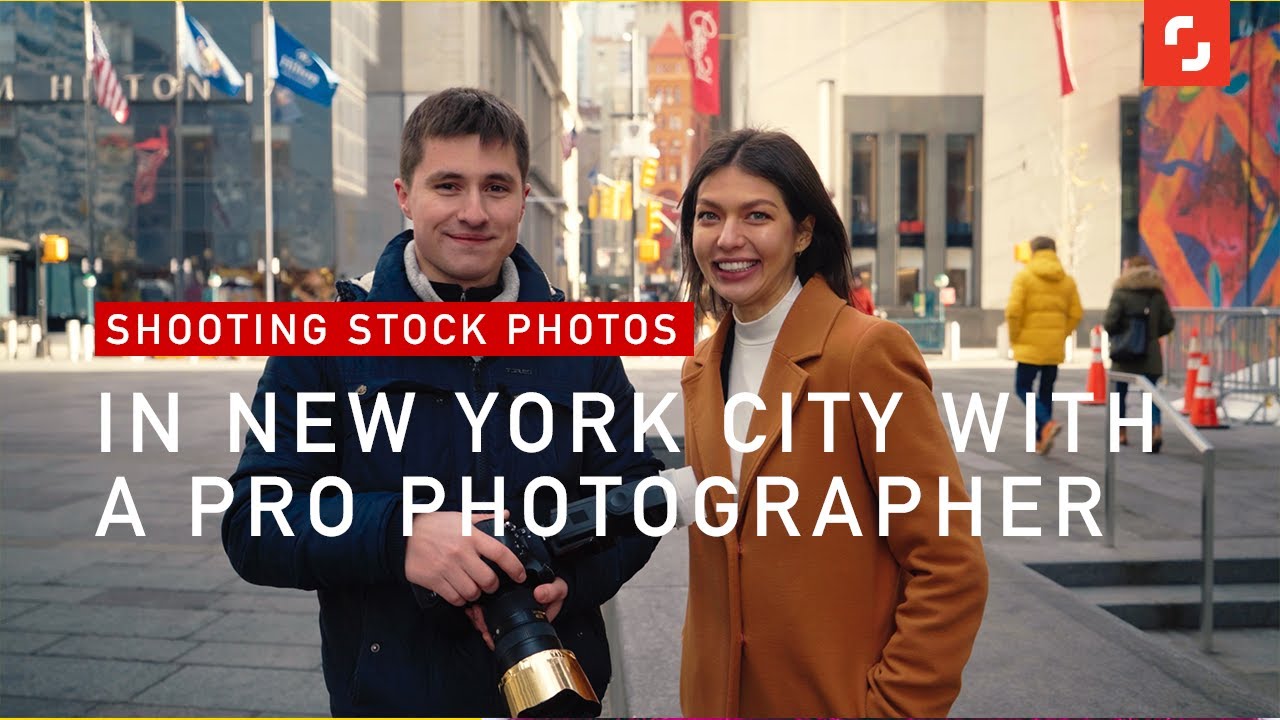
What It's Really Like to Shoot Stock Photos in the Heart of New York City
TL;DR
Stock photography culture refers to the pervasive and often peculiar visual language created by and perpetuated through commercially licensed images, shaping everything from advertising to corporate presentations.
Ah, stock photography. Just the phrase conjures images of overly enthusiastic office workers laughing at salads, or diverse groups of professionals pointing intently at a blank screen. But beneath the surface-level humor and occasional cringe, stock photography culture is a profound, if often unacknowledged, pillar of modern visual communication. Born from the need for readily available, royalty-free imagery for advertising and publishing, it exploded with the internet, becoming the visual lingua franca of websites, blogs, and marketing materials worldwide. It's the visual equivalent of elevator music – always there, often unnoticed, but undeniably shaping the atmosphere.
The evolution of stock photography is a wild ride through visual trends. From the slightly stiff, '50s-era models to the hyper-stylized, '90s corporate shots, and then to the 'authentic' yet still meticulously staged scenes of the 2010s, it mirrors our collective aspirations and anxieties. In the early days, it was about efficiency; photographers would shoot generic concepts – 'business meeting,' 'happy family,' 'healthy eating' – knowing these images would be licensed countless times. This gave rise to the distinct 'stock photo aesthetic': bright lighting, clean compositions, and models whose expressions often verge on the uncanny valley, trying to convey universal emotions without specific context.
What truly defines stock photography culture today isn't just the images themselves, but how they're used and perceived. It's a meta-phenomenon. We laugh at the absurdity of 'woman laughing alone with salad,' but we also understand its purpose. It’s become a wellspring for internet memes, a shared cultural reference point that highlights the artificiality of curated digital lives. This self-awareness has even led to a new wave of stock photography that embraces the awkward, the ironic, and the genuinely quirky, blurring the lines between commercial utility and artistic expression.
The significance of stock photography culture extends beyond just providing visuals. It subtly shapes our understanding of 'normal' or 'ideal' scenarios. Think about it: how many times have you seen a stock photo of a pristine, minimalist office and subconsciously absorbed that as the benchmark for a productive workspace? It's a visual echo chamber of societal norms, aspirations, and sometimes, outright stereotypes. Yet, it also plays a crucial role in democratizing visual content, allowing small businesses, content creators, and non-profits to access high-quality imagery without needing a dedicated photo shoot budget.
Looking forward to 2026, stock photography continues to evolve at a dizzying pace. AI-generated imagery is already making waves, offering hyper-specific, infinitely customizable visuals that could revolutionize the industry, while also raising fascinating questions about authenticity and artistic integrity. The demand for diverse, inclusive, and genuinely representative imagery is also pushing agencies to broaden their visual narratives. So, the next time you see a perfectly posed person staring intently at a tablet, remember: you're not just looking at a picture, you're looking at a cornerstone of our digital culture, a silent narrator of our shared online experience.