Branding Identity
More than a logo: The soul of a brand in a hyper-connected world.
Featured partners and sponsors
New advertisers get $25 in ad credits
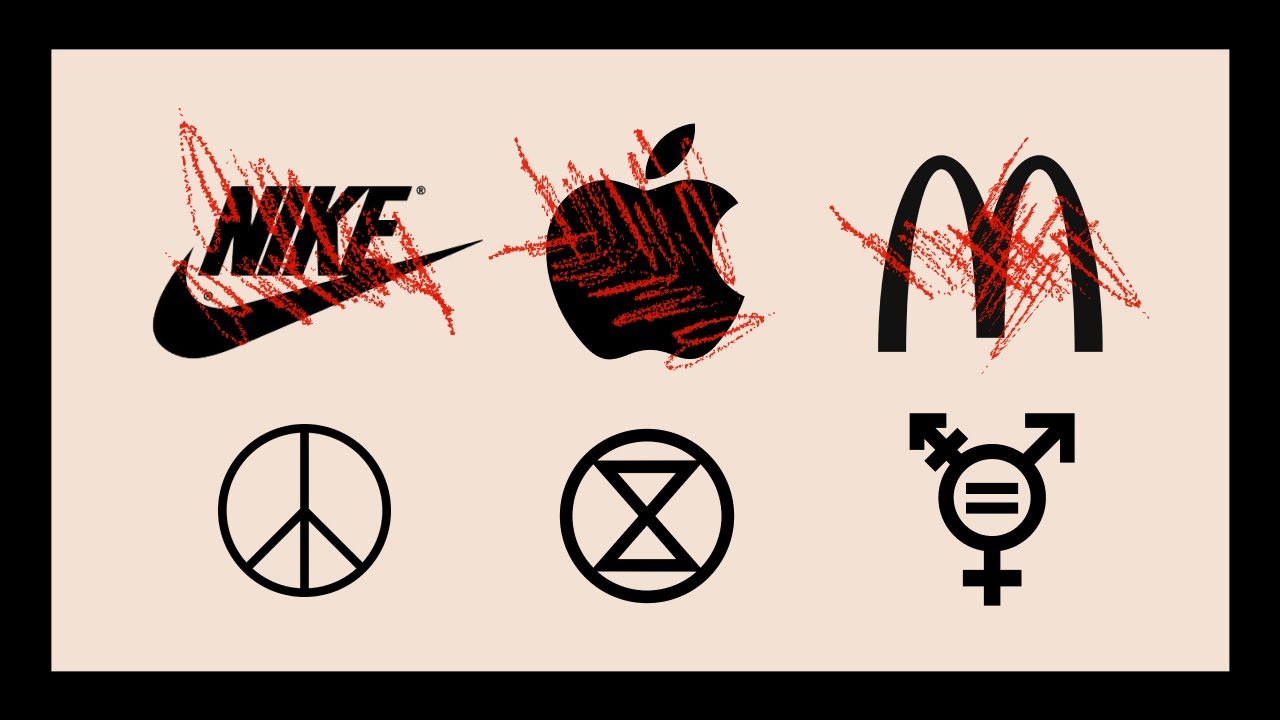
10,000 years of branding explained in 6 minutes | Debbie Millman
⚡ THE VIBE
✨Branding Identity is the visible and experiential essence of a brand—its personality, values, and promise—meticulously designed to forge deep connections with its audience and stand out in a crowded marketplace. It's the art and science of making a brand *feel* like something real, something you can trust, or even love. ❤️
§1What is Branding Identity, Really? 🤔
Imagine a person. They have a name, a unique look, a way of speaking, certain values, and a reputation. Now, apply that to a product, service, or organization, and you've got Branding Identity. It's not just the logo or the color palette; those are merely elements of it. Branding Identity is the holistic, sensory experience a consumer has with a brand. It's the feeling you get when you see the Apple logo, the trust you associate with a specific bank, or the excitement you feel for a new game console. It's about creating a cohesive, memorable, and distinctive presence across every touchpoint, from the packaging to the customer service chatbot. In essence, it's the brand's entire public persona, carefully constructed to resonate with its target audience. 🌟
§2From Cattle Brands to Digital Dominance: A Brief History 📜
The concept of 'branding' is ancient, literally stemming from the practice of branding livestock to signify ownership. Fast forward to the Industrial Revolution, and manufacturers began using distinctive marks to differentiate their mass-produced goods. However, the modern notion of 'Branding Identity' as a strategic discipline truly blossomed in the post-WWII era, particularly in the 1950s and 60s. Pioneers like Paul Rand, who designed iconic logos for IBM, UPS, and ABC, elevated graphic design from mere decoration to a critical business function. The rise of television advertising further cemented the need for strong visual and verbal identities. Today, in 2026, with the explosion of digital platforms, AI-driven personalization, and the metaverse, Branding Identity has become more complex and critical than ever, requiring brands to be authentic, agile, and deeply empathetic to their audience's evolving needs. 🚀
§3The Anatomy of an Identity: Key Components 🧩
A robust Branding Identity is built upon several interconnected pillars. At its core are the brand's values and mission, which dictate everything else. Visually, this includes the logo (the primary identifier), color palette (evoking specific emotions), typography (the brand's 'voice' in text), and imagery style (photography, illustrations). Beyond visuals, there's the brand voice and tone—how the brand communicates, whether it's playful, authoritative, or empathetic. Then there's the brand story, the narrative that gives it depth and meaning. Consider how Nike isn't just about shoes; it's about athletic achievement and inspiration, embodied by its 'Just Do It' mantra. All these elements must work in harmony to create a consistent and compelling experience, forming a unique brand personality that can be instantly recognized and recalled. It's a symphony of design, psychology, and storytelling. 🎶
§4Why It Matters: Impact in a Hyper-Connected World 🌐
In today's hyper-competitive and hyper-connected world, a strong Branding Identity isn't just nice-to-have; it's a survival imperative. It fosters brand recognition and differentiation, helping consumers cut through the noise. It builds trust and credibility, as a consistent identity signals reliability and professionalism. This, in turn, cultivates brand loyalty, turning casual buyers into passionate advocates. Think about the cult following of brands like Tesla or Starbucks—their identities are so strong, they've become part of people's lifestyles. Furthermore, a clear identity guides internal decision-making, ensuring all employees are aligned with the brand's purpose. It even impacts talent acquisition, as strong brands attract top talent. Ultimately, a powerful Branding Identity translates into market value and sustained business success. It’s the secret sauce that makes a brand unforgettable. ✨
§5Challenges & The Future: AI, Authenticity, and the Metaverse 🔮
The landscape of Branding Identity is constantly evolving. A significant challenge in 2026 is maintaining authenticity in an era of deepfakes and AI-generated content. Consumers are savvier than ever, demanding transparency and genuine connection. Brands must navigate social justice issues and environmental concerns, ensuring their identity reflects their true actions, not just their marketing. The rise of the metaverse presents both a massive opportunity and a complex challenge, requiring brands to extend their identities into immersive, virtual spaces, often with new rules and interactions. How does a brand's 'vibe' translate to an avatar's clothing or a virtual storefront? AI is also transforming the field, from AI-powered design tools to personalized branding experiences. The future of Branding Identity will be about dynamic, adaptive systems that can maintain core consistency while flexing to individual user experiences and emerging digital realities. It's a thrilling frontier! ⚡