Sino-Japanese Wars
When two rising Asian powers clashed, reshaping a continent's destiny. ⚔️🌏
Featured partners and sponsors
New advertisers get $25 in ad credits
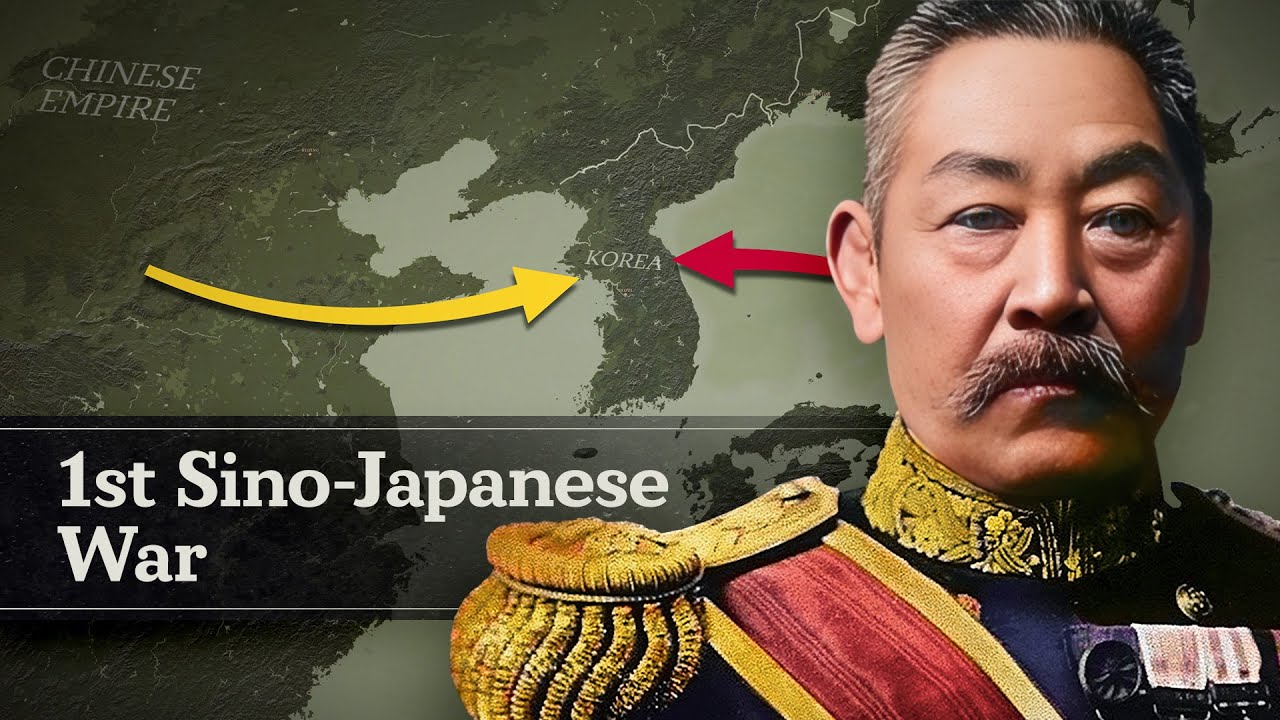
Rise of Japan: 1st Sino-Japanese War 1894-95 (Documentary)
⚡ THE VIBE
✨The Sino-Japanese Wars were not one, but two monumental conflicts that dramatically altered the course of East Asian history, marking the decline of Imperial China and the ascendance of Japan as a regional hegemon, with devastating consequences for millions. 💥
§1A Tale of Two Wars: The First Clash (1894-1895)
Imagine the late 19th century: China, a sleeping giant, was still clinging to its imperial past, while Japan, a newly awakened samurai nation, had embraced rapid modernization. The First Sino-Japanese War (1894-1895) was the brutal awakening for China and a triumphant debut for Japan on the global stage. The spark? Control over the Korean Peninsula, a strategic land bridge that both empires coveted. 🇰🇷 Japan, fresh from the Meiji Restoration, had built a formidable, Western-style military, while China's Qing Dynasty was plagued by corruption and outdated forces. The war was shockingly swift and decisive, with Japan's navy and army outmaneuvering and outgunning their Chinese counterparts at every turn. It wasn't just a military defeat for China; it was a profound humiliation that shattered its self-perception as the 'Middle Kingdom' and sent shockwaves across the globe. 🌊
§2The Aftermath of the First War: A New World Order in Asia
The Treaty of Shimonoseki, signed in 1895, was a harsh blow to China. It forced the Qing to recognize Korea's 'independence' (effectively opening it to Japanese influence), cede Taiwan and the Pescadores Islands to Japan, and pay a massive indemnity. 💸 This treaty wasn't just about land and money; it fundamentally shifted the balance of power in Asia. Japan's victory ignited its imperial ambitions, paving the way for its later expansionist policies and setting the stage for future conflicts. For China, it triggered a desperate scramble for reform and modernization, leading to the eventual collapse of the Qing Dynasty and the rise of republicanism. The war also highlighted the vulnerability of China to Western powers, who, seeing its weakness, began carving out their own spheres of influence. It was a game-changer for the entire region. 🌍
§3The Second Sino-Japanese War (1937-1945): A Brutal Struggle
Fast forward to the 1930s. Japan, now a fully industrialized and militarized power, was driven by a fervent nationalism and a desire for resources and regional dominance. The Second Sino-Japanese War (1937-1945) began with the infamous Marco Polo Bridge Incident near Beijing, but its roots ran deeper, stretching back to Japan's invasion of Manchuria in 1931. This was a conflict of unprecedented scale and brutality, often considered the true beginning of World War II in Asia. 💣 Millions of Chinese civilians and soldiers perished, cities were ravaged, and atrocities like the Rape of Nanking left indelible scars. China, under the leadership of Chiang Kai-shek's Kuomintang and the emerging Communist forces of Mao Zedong, fought a desperate, protracted resistance. It was a total war, characterized by scorched-earth tactics, immense suffering, and a fierce determination to resist foreign aggression. 💪
§4Global Entanglement and Lasting Impact
The Second Sino-Japanese War eventually merged into the broader canvas of World War II, with China becoming a crucial Allied power. The United States, Great Britain, and other nations provided aid to China, recognizing the strategic importance of its resistance in tying down a significant portion of Japan's military. 🤝 The war's end in 1945, following Japan's defeat by the Allies, brought relief but not immediate peace to China. The protracted struggle had exhausted the nation, creating a power vacuum that quickly led to the Chinese Civil War between the Nationalists and Communists. The legacy of these wars is immense: they shaped modern China, fueled Japanese nationalism, and profoundly influenced international relations in the 20th century. They serve as a stark reminder of the devastating human cost of imperial ambition and unchecked aggression. 🕊️
§5Why It Matters Today: Echoes in the 21st Century
Even in 2026, the Sino-Japanese Wars continue to resonate deeply in East Asia. Historical narratives, war memorials, and political rhetoric often invoke these conflicts, influencing contemporary relations between China, Japan, and Korea. Issues like Japan's historical revisionism, the sovereignty of certain islands, and the ongoing debate over war apologies are direct descendants of these tumultuous periods. 🗣️ Understanding these wars is crucial for grasping the complex geopolitical dynamics of the region today, from economic competition to military posturing. They are not just historical events; they are living memories that continue to shape national identities and international diplomacy. The lessons learned (or sometimes unlearned) from these conflicts offer critical insights into the dangers of unresolved historical grievances and the enduring quest for regional stability. 💡