Shame and Vulnerability
The powerful, often misunderstood dance between hiding and truly living. 🎭
Featured partners and sponsors
New advertisers get $25 in ad credits
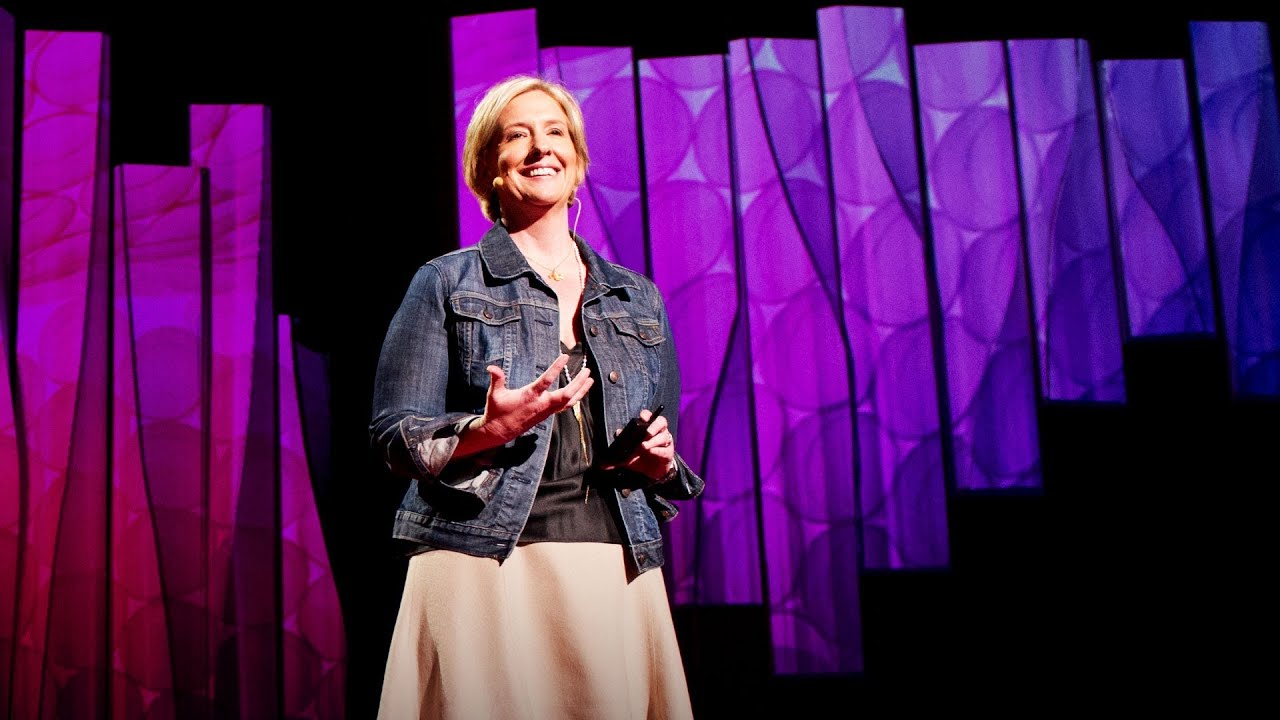
Listening to shame | Brené Brown | TED
⚡ THE VIBE
✨Shame and vulnerability are two of the most potent and often misunderstood human emotions, acting as both formidable barriers to connection and the very gateways to authentic living. Understanding their dynamic is key to unlocking deeper empathy and resilience. 🗝️
§1The Core of Shame: A Universal Human Experience
Imagine a spotlight suddenly shining on your deepest perceived flaws, making you feel utterly inadequate, unworthy, and isolated. That's the searing heat of shame. 🔥 It's not just guilt, which focuses on behavior ("I did something bad"), but shame, which strikes at identity ("I am bad"). This distinction is crucial: guilt can motivate repair, but shame often paralyzes, driving us into hiding. Psychologists like Brené Brown have revolutionized our understanding, highlighting shame as a universal emotion that thrives on secrecy, silence, and judgment. It whispers lies about our unworthiness, convincing us that if others truly knew us, they would reject us. 🙅♀️
§2Vulnerability: The Courageous Path to Connection
If shame is the desire to hide, vulnerability is the courageous act of showing up and being seen, warts and all. ✨ It's about embracing uncertainty, risk, and emotional exposure. Think about sharing a deeply personal story, asking for help, or admitting you don't have all the answers. These are acts of vulnerability. While often perceived as a weakness, true vulnerability is a profound strength. It's the birthplace of love, belonging, joy, courage, empathy, and creativity. Without it, genuine connection remains elusive, replaced by superficial interactions and emotional armor. 🛡️ It's the willingness to be imperfect that allows others to connect with our authentic selves. 🤝
§3The Interplay: Shame's Shadow and Vulnerability's Light
The relationship between shame and vulnerability is a complex dance. Shame tells us to never be vulnerable, because exposure will confirm our unworthiness. It creates a powerful feedback loop: we feel shame, we hide, we become more isolated, which in turn reinforces our shame. 🔄 However, vulnerability is the antidote to shame. By daring to be seen, by sharing our stories and imperfections, we dismantle shame's power. When we embrace vulnerability, we discover that our imperfections are often what make us relatable and lovable. This process requires immense courage, as it means stepping into the arena where we might be judged or rejected. But it's in this arena that true belonging is found. 🌟
§4Societal Impact & Modern Manifestations
In 2026, shame and vulnerability play out in fascinating ways across our hyper-connected world. Social media, while offering platforms for connection, can also be a breeding ground for shame, fostering comparison and the pressure to present a 'perfect' curated self. 🤳 The rise of mental health awareness, however, is a powerful counter-narrative, encouraging open dialogue and reducing the stigma around emotional struggles. Organizations like the National Alliance on Mental Illness (NAMI) and The Trevor Project are at the forefront of this shift, creating spaces where vulnerability is encouraged and shame is challenged. Understanding these dynamics is crucial for fostering healthier communities and more authentic individual lives. 🌍 It impacts everything from workplace culture to personal relationships and even political discourse. 🗣️
§5Cultivating Courage: Practical Steps to Embrace Vulnerability
So, how do we lean into vulnerability and disarm shame? It's a journey, not a destination. Here are some starting points: 🚀
- Practice Self-Compassion: Treat yourself with the same kindness and understanding you would offer a good friend. Learn more about self-compassion.
- Identify Shame Triggers: What situations or thoughts make you feel unworthy? Awareness is the first step to managing shame.
- Share Your Story (Wisely): Start small, with trusted individuals. Sharing our experiences helps us realize we are not alone.
- Challenge Perfectionism: Recognize that striving for flawlessness is often a shield against shame, but it also prevents genuine connection.
- Set Boundaries: Vulnerability isn't oversharing; it's sharing with people who have earned your trust and respect your story. Learn about healthy-boundaries.
Embracing vulnerability is a lifelong practice that promises a richer, more connected existence. It's about choosing courage over comfort, and authenticity over armor. 💪