Resilience
Bouncing back stronger, because life's a rollercoaster, not a flat line! 🎢
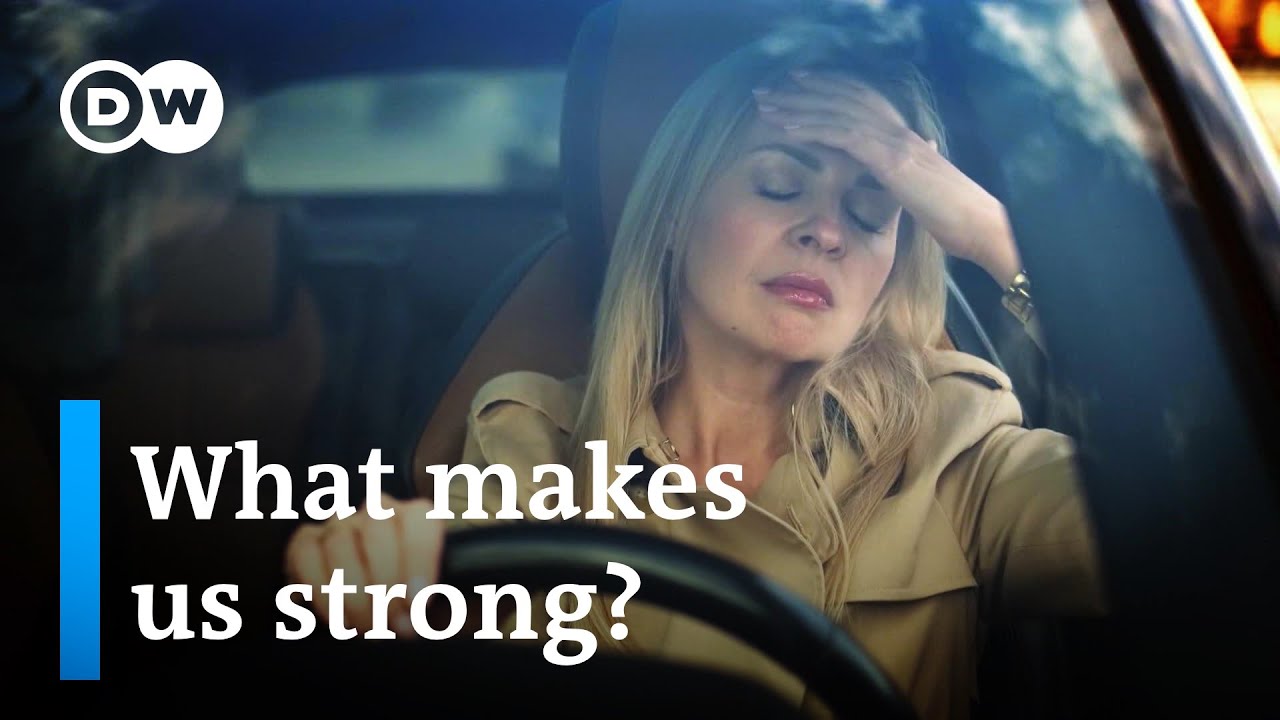
Mental health and resilience - the secrets of inner strength | DW Documentary
⚡ THE VIBE
✨Resilience isn't just about enduring hardship; it's the dynamic process of adapting positively to adversity, emerging stronger and more capable than before. It's the secret sauce behind human survival and flourishing. ✨
§1What is Resilience, Really? 🤔
Forget the idea that resilience means being impervious to pain. That's a myth! ✨ Resilience is the dynamic process of adapting well in the face of adversity, trauma, tragedy, threats, or significant sources of stress. It's not a fixed trait you either have or don't; it's a muscle you can build and strengthen over time. Think of it like a phoenix rising from the ashes 🔥, or a mighty oak tree bending with the storm instead of breaking. It's about finding your footing after a stumble, learning from the fall, and often discovering new pathways and strengths you never knew you possessed. It's the ultimate human spirit in action! 💖
§2The Roots of a Robust Spirit 🌱
While the concept of enduring hardship is as old as humanity itself, the modern psychological understanding of resilience began to take shape in the mid-20th century. Researchers started studying children who thrived despite growing up in challenging environments, leading to groundbreaking insights. Initially, it was often seen as an innate quality, but pioneers like Emmy Werner and her longitudinal studies on the Hawaiian island of Kauai showed that even those deemed 'at-risk' could develop incredible coping mechanisms. 💡 In engineering, resilience refers to a system's ability to absorb disturbance and reorganize while undergoing change, retaining essentially the same function, structure, identity, and feedbacks. This cross-pollination of ideas from various fields—psychology, ecology, engineering—has given us a holistic view of what it means to be truly resilient. 🌍
§3Building Your Resilience Toolkit 🛠️
So, how do you get more of this magical resilience stuff? It's not about avoiding stress, but about how you respond to it. Here are some key ingredients to cultivate your inner strength:
- Self-Awareness: Understanding your emotions, strengths, and weaknesses. What triggers you? What helps you cope? 🧘♀️
- Strong Relationships: A supportive network of friends, family, or community is a huge buffer against adversity. We're wired for connection! 🤗
- Positive Outlook: Not toxic positivity, but the ability to find meaning, learn from setbacks, and maintain hope for the future. 🌟
- Problem-Solving Skills: Approaching challenges with a 'can-do' attitude and actively seeking solutions. 🧠
- Self-Care: Prioritizing physical health (sleep, nutrition, exercise) and mental well-being (mindfulness, hobbies). Your body and mind are your temples! 🛀
These aren't quick fixes, but consistent practices that build a robust foundation for navigating life's inevitable ups and downs. Think of it as your personal operating system upgrade! 🚀
§4Why Resilience Matters in 2026 and Beyond 🌐
In our rapidly changing, often unpredictable world, resilience isn't just a nice-to-have; it's an absolute necessity. From global pandemics to economic shifts, climate challenges, and the relentless pace of technological change, we're constantly bombarded with new stressors. Personal resilience helps individuals navigate these choppy waters without getting capsized. But it's bigger than just individuals! Community resilience (the ability of communities to withstand and recover from external shocks) and organizational resilience (how businesses and institutions adapt) are critical for collective well-being and progress. The ability to pivot, innovate, and rebuild after disruption is the hallmark of thriving societies. It's the secret sauce for not just surviving, but flourishing in the 21st century. 💫
§5The Future of Fortitude: Collective Resilience 🤝
Looking ahead, the conversation around resilience is evolving from individual grit to collective fortitude. How do we build systems, societies, and even digital spaces that are inherently more resilient? This involves fostering empathy, promoting inclusive decision-making, and creating safety nets that support everyone, not just the strongest. Imagine cities designed to withstand extreme weather, economies that can absorb global shocks, and online communities that foster psychological safety. The future of resilience lies in our ability to not just bounce back, but to bounce forward together, creating a world where adversity becomes a shared opportunity for growth and innovation. It's about building a future where everyone has the tools and support to thrive, no matter what comes their way. Let's build it! 🌈