Scholasticism
The medieval intellectual powerhouse that shaped Western thought! 🏰📚
Featured partners and sponsors
New advertisers get $25 in ad credits
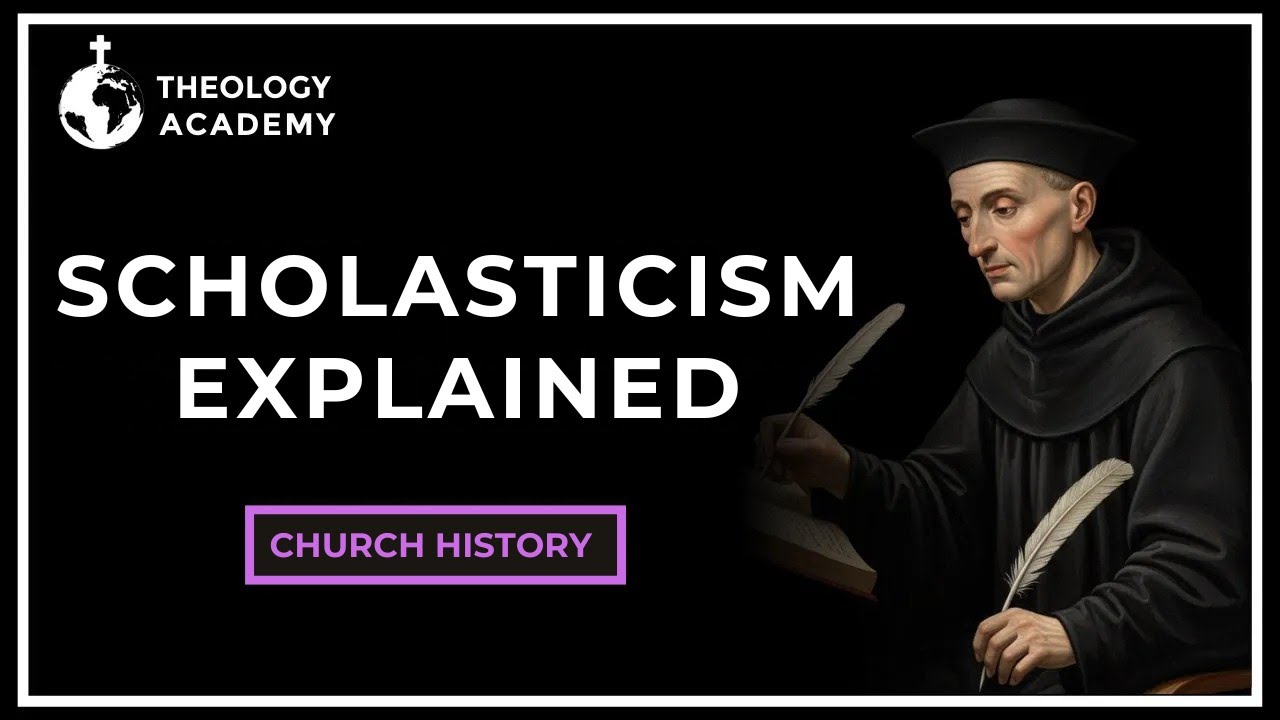
What is Scholasticism? Origins and History Explained
⚡ THE VIBE
✨Scholasticism was the dominant philosophical and theological methodology of medieval Europe, a rigorous intellectual system that sought to reconcile Christian doctrine with classical philosophy, particularly the works of Aristotle. It wasn't just a philosophy; it was a *vibe* – a commitment to logical inquiry and systematic understanding that laid the groundwork for modern academic discourse. 📚
§1What Was Scholasticism, Really?
Imagine a time when the wisdom of ancient Greece, particularly the dazzling logic of Aristotle, began to flood back into Western Europe, thanks to translations from Arabic and Byzantine scholars. 🌍 Simultaneously, the bedrock of society was Christian faith, with its own complex theological truths. Scholasticism emerged as the intellectual powerhouse determined to bring these two seemingly disparate worlds together. It wasn't about blind faith or rejecting reason; it was about using reason – rigorous, systematic, and often dialectical – to illuminate and defend faith. Think of it as the ultimate intellectual puzzle, where every piece had to fit perfectly. 🧩 This wasn't just for monks in dusty monasteries; it was the intellectual engine of the nascent European universities, shaping generations of thinkers. 🎓
§2The Rise of the Schoolmen: Origins & Evolution
Scholasticism didn't just appear overnight; it evolved from the monastic schools of the early Middle Ages. Early figures like Anselm of Canterbury (11th century) were already trying to prove God's existence through reason, famously stating 'faith seeking understanding.' But the real boom happened in the 12th century with the establishment of major universities in Paris, Oxford, and Bologna. 🏫 The rediscovery of Aristotle's complete works, often through Arabic commentaries by brilliant minds like Averroes, provided a powerful new toolkit for analysis. The 13th century was its golden age, with intellectual giants like Thomas Aquinas synthesizing Aristotelian philosophy with Christian theology in monumental works like the Summa Theologica. This period saw intense debates, often structured as disputationes – formal academic debates where students and masters would present arguments for and against a proposition. It was intellectual combat, but with quills and parchment! ⚔️📜
§3The Method: Dialectic & Disputation
At its heart, Scholasticism was a method. It wasn't a fixed set of doctrines, but a way of doing philosophy and theology. The core of this method was dialectic: presenting a question, examining arguments for and against it, and then arriving at a reasoned conclusion that resolved the apparent contradictions. This often followed a structured format called the quaestio (question) or disputatio (disputation). Here's the typical flow: ➡️
- State the Question: Utrum sit Deus? (Whether God exists?)
- Objections: Arguments against the proposed answer (e.g., 'It seems that God does not exist because evil exists').
- Sed Contra: Arguments for the proposed answer, often citing authority (e.g., 'On the contrary, Exodus says 'I am who I am'').
- Respondeo: The master's own reasoned answer, often reconciling the objections.
- Replies to Objections: Addressing each initial objection specifically.
This rigorous, step-by-step approach trained minds to think critically, analyze complex arguments, and articulate precise distinctions. It's the intellectual ancestor of modern academic papers and legal arguments! ⚖️
§4Key Figures & Enduring Legacy
While Thomas Aquinas is often seen as the pinnacle of Scholastic thought, many other brilliant minds contributed to this vibrant tradition. Thinkers like Duns Scotus and William of Ockham (of Ockham's Razor fame! ✂️) challenged and refined Aquinas's ideas, leading to fascinating and sometimes fierce debates. Their contributions pushed the boundaries of logic, metaphysics, and epistemology. Even as the Renaissance brought new intellectual currents and humanism shifted focus, the legacy of Scholasticism endured. Its emphasis on logical rigor, systematic inquiry, and the careful definition of terms profoundly influenced:
- Modern Science: The idea that the world is rationally ordered and can be understood through systematic investigation. 🔬
- Western Law: The development of legal reasoning and jurisprudence. 👨⚖️
- University Structure: The very idea of academic disciplines, lectures, and formal disputations. 🏛️
Without the 'Schoolmen,' the intellectual landscape of the West would be almost unrecognizable. Their tireless efforts to build bridges between faith and reason continue to inspire and challenge thinkers today. 🌉
§5Scholasticism in the 21st Century: Why It Matters Now
You might think Scholasticism is just dusty history, but its influence is still palpable, even in 2026! In an age of information overload and often superficial discourse, the Scholastic commitment to deep analysis, precise definitions, and structured argumentation feels more relevant than ever. When we see debates devolve into soundbites or emotional appeals, the Scholastic method reminds us of the power of carefully constructed arguments and respectful intellectual engagement. 🗣️ It teaches us to:
- Identify underlying assumptions.
- Analyze arguments for logical consistency.
- Distinguish between different meanings of words.
- Seek synthesis rather than mere opposition.
Modern philosophy, theology, and even legal studies still grapple with many of the questions first articulated and rigorously debated by the Scholastics. Organizations like the Pontifical Academy of St. Thomas Aquinas continue to promote Thomistic thought, demonstrating its enduring vitality. So, next time you encounter a complex argument, remember the Schoolmen – they literally wrote the book on how to think deeply about it. 🧠💡