
Contents
- 🌾 Introduction to Agricultural Robotics
- 🤖 The Rise of Autonomous Farming
- 📊 AI-Powered Farming: Data-Driven Decision Making
- 🌱 Precision Agriculture: A New Era of Farming
- 🚜 Robotics in Harvesting: Efficiency and Accuracy
- 🌻 Vertical Farming: The Future of Urban Agriculture
- 🤝 Collaboration and Investment in Agricultural Technology
- 🚨 Challenges and Limitations of Agricultural Robotics
- 🌟 The Future of Farming: Trends and Predictions
- 📈 Economic Impact of Agricultural Robotics and AI
- 🌎 Global Adoption and Implementation of Agricultural Technology
- Frequently Asked Questions
- Related Topics
Overview
The integration of robotics automation and AI in farming is revolutionizing the way crops are planted, monitored, and harvested. Companies like John Deere and Granular are at the forefront of this movement, with innovations such as autonomous tractors and precision farming software. According to a report by MarketsandMarkets, the agricultural robotics market is projected to reach $13.82 billion by 2025, growing at a CAGR of 24.1% from 2020 to 2025. This growth is driven by the need for increased efficiency, reduced labor costs, and improved crop yields. However, the adoption of these technologies also raises concerns about job displacement and the potential for increased dependence on technology. As the industry continues to evolve, it will be important to address these challenges and ensure that the benefits of robotics automation and AI in farming are equitably distributed. With the global population projected to reach 9.7 billion by 2050, the role of technology in sustainable agriculture will become increasingly crucial, with robotics automation and AI playing a key role in meeting this demand.
🌾 Introduction to Agricultural Robotics
The integration of robotics automation and AI in farming, also known as agricultural technology, is transforming the way we produce food. With the global population projected to reach 9.7 billion by 2050, sustainable agriculture practices are crucial to ensure food security. Robotics and AI can help farmers increase efficiency, reduce waste, and promote environmental sustainability. Companies like John Deere and Granular are already making significant investments in agricultural technology. As the industry continues to evolve, we can expect to see more innovative solutions emerge, such as vertical farming and precision agriculture.
🤖 The Rise of Autonomous Farming
Autonomous farming is on the rise, with autonomous tractors and drones being used to plant, monitor, and harvest crops. This technology has the potential to increase crop yields, reduce labor costs, and improve farm productivity. However, there are also concerns about the impact of autonomous farming on rural employment and the potential for job displacement. As the use of autonomous farming technology becomes more widespread, it's essential to consider the social and economic implications. Companies like Case IH and New Holland are already developing autonomous farming solutions, and startups like FarmWise are emerging with innovative approaches to autonomous farming.
📊 AI-Powered Farming: Data-Driven Decision Making
AI-powered farming is revolutionizing the way farmers make decisions. By analyzing data from soil sensors, weather stations, and satellite imagery, farmers can optimize crop growth, reduce waste, and improve resource allocation. Companies like FarmLogs and Climate Corporation are providing farmers with data-driven insights to inform their decision-making. However, there are also concerns about the potential for data privacy issues and the need for standardization in agricultural data collection. As AI-powered farming becomes more prevalent, it's essential to address these challenges and ensure that farmers have access to accurate and reliable data.
🌱 Precision Agriculture: A New Era of Farming
Precision agriculture is a new era of farming that involves using advanced technology to optimize crop growth and reduce waste. By using GPS and GIS mapping, farmers can create detailed maps of their fields and track crop growth in real-time. This technology has the potential to increase crop yields, reduce water usage, and promote environmental stewardship. Companies like Trimble and AGCO are already providing precision agriculture solutions to farmers. However, there are also concerns about the high upfront costs of precision agriculture technology and the need for training and education to ensure that farmers can effectively use these tools.
🚜 Robotics in Harvesting: Efficiency and Accuracy
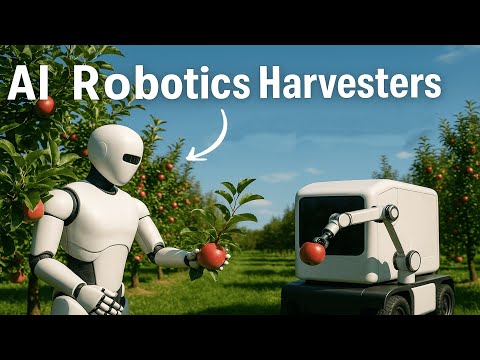
Robotics in harvesting is becoming increasingly efficient and accurate. By using robotic harvesters and machine learning algorithms, farmers can optimize crop yields and reduce labor costs. Companies like Abundant Robotics and FarmWise are already developing robotic harvesting solutions. However, there are also concerns about the potential for job displacement and the need for worker retraining programs. As the use of robotic harvesting technology becomes more widespread, it's essential to consider the social and economic implications.
🌻 Vertical Farming: The Future of Urban Agriculture
Vertical farming is the future of urban agriculture. By using hydroponics and aeroponics systems, farmers can grow crops in vertically stacked layers, reducing the need for arable land and promoting urban sustainability. Companies like AeroFarms and Plenty are already developing vertical farming solutions. However, there are also concerns about the high energy costs of vertical farming and the need for energy efficiency measures. As vertical farming becomes more prevalent, it's essential to address these challenges and ensure that this technology is viable and sustainable.
🤝 Collaboration and Investment in Agricultural Technology
Collaboration and investment in agricultural technology are essential for the future of farming. Companies like Google and Microsoft are already investing in agricultural technology startups, and research institutions like MIT and Stanford are developing innovative solutions to agricultural challenges. However, there are also concerns about the potential for corporate control of the agricultural sector and the need for regulatory frameworks to ensure that agricultural technology is developed and used responsibly. As the agricultural technology industry continues to evolve, it's essential to consider the social and economic implications of these developments.
🚨 Challenges and Limitations of Agricultural Robotics
Despite the many benefits of agricultural robotics and AI, there are also challenges and limitations to consider. One of the main challenges is the high upfront costs of agricultural technology, which can be a barrier to adoption for small-scale farmers. Additionally, there are concerns about the potential for job displacement and the need for worker retraining programs. Companies like John Deere and Case IH are already addressing these challenges by developing more affordable and accessible agricultural technology solutions. However, more needs to be done to ensure that agricultural technology is developed and used in a way that benefits all farmers, regardless of their size or scale.
🌟 The Future of Farming: Trends and Predictions
The future of farming is exciting and uncertain. As agricultural technology continues to evolve, we can expect to see more innovative solutions emerge, such as autonomous farming and vertical farming. However, there are also concerns about the potential for corporate control of the agricultural sector and the need for regulatory frameworks to ensure that agricultural technology is developed and used responsibly. Companies like Google and Microsoft are already investing in agricultural technology startups, and research institutions like MIT and Stanford are developing innovative solutions to agricultural challenges.
📈 Economic Impact of Agricultural Robotics and AI
The economic impact of agricultural robotics and AI is significant. By increasing efficiency and reducing waste, agricultural technology can help farmers reduce costs and improve profitability. Additionally, agricultural technology can help promote rural development and create new job opportunities in the agricultural sector. Companies like John Deere and Case IH are already seeing the economic benefits of agricultural technology, and startups like FarmWise are emerging with innovative approaches to agricultural technology. However, more needs to be done to ensure that the economic benefits of agricultural technology are shared equitably among all farmers, regardless of their size or scale.
🌎 Global Adoption and Implementation of Agricultural Technology
The global adoption and implementation of agricultural technology are critical for the future of farming. Companies like Google and Microsoft are already investing in agricultural technology startups, and research institutions like MIT and Stanford are developing innovative solutions to agricultural challenges. However, there are also concerns about the potential for corporate control of the agricultural sector and the need for regulatory frameworks to ensure that agricultural technology is developed and used responsibly. As the agricultural technology industry continues to evolve, it's essential to consider the social and economic implications of these developments and ensure that agricultural technology is developed and used in a way that benefits all farmers, regardless of their size or scale.
Key Facts
- Year
- 2022
- Origin
- Vibepedia
- Category
- Agricultural Technology
- Type
- Industry Trend
Frequently Asked Questions
What is agricultural robotics and AI?
Agricultural robotics and AI refer to the use of robots, artificial intelligence, and other technologies to improve the efficiency and productivity of farming. This can include the use of autonomous tractors, drones, and other equipment to plant, monitor, and harvest crops. Agricultural robotics and AI can also involve the use of machine learning algorithms to analyze data from soil sensors, weather stations, and other sources to optimize crop growth and reduce waste.
What are the benefits of agricultural robotics and AI?
The benefits of agricultural robotics and AI include increased efficiency and productivity, reduced labor costs, and improved crop yields. Agricultural robotics and AI can also help promote environmental sustainability by reducing the use of water and other resources. Additionally, agricultural robotics and AI can help improve food safety by reducing the risk of contamination and improving the quality of crops.
What are the challenges and limitations of agricultural robotics and AI?
The challenges and limitations of agricultural robotics and AI include the high upfront costs of the technology, the need for training and education to use the technology effectively, and the potential for job displacement. Additionally, there are concerns about the potential for corporate control of the agricultural sector and the need for regulatory frameworks to ensure that agricultural technology is developed and used responsibly.
What is the future of agricultural robotics and AI?
The future of agricultural robotics and AI is exciting and uncertain. As the technology continues to evolve, we can expect to see more innovative solutions emerge, such as autonomous farming and vertical farming. However, there are also concerns about the potential for corporate control of the agricultural sector and the need for regulatory frameworks to ensure that agricultural technology is developed and used responsibly.
How can farmers get started with agricultural robotics and AI?
Farmers can get started with agricultural robotics and AI by investing in the technology and seeking out training and education to use it effectively. They can also consider partnering with companies that specialize in agricultural technology to gain access to the latest innovations and expertise. Additionally, farmers can join online communities and forums to connect with other farmers and learn about their experiences with agricultural robotics and AI.
What is the economic impact of agricultural robotics and AI?
The economic impact of agricultural robotics and AI is significant. By increasing efficiency and reducing waste, agricultural technology can help farmers reduce costs and improve profitability. Additionally, agricultural technology can help promote rural development and create new job opportunities in the agricultural sector. However, more needs to be done to ensure that the economic benefits of agricultural technology are shared equitably among all farmers, regardless of their size or scale.
How can agricultural robotics and AI promote environmental sustainability?
Agricultural robotics and AI can promote environmental sustainability by reducing the use of water and other resources, improving soil health, and reducing the risk of contamination. Additionally, agricultural robotics and AI can help farmers optimize crop growth and reduce waste, which can help reduce the environmental impact of farming. However, more needs to be done to ensure that agricultural technology is developed and used in a way that promotes environmental sustainability.