RNA World Hypothesis
Before DNA took the stage, RNA was the superstar of primordial life.
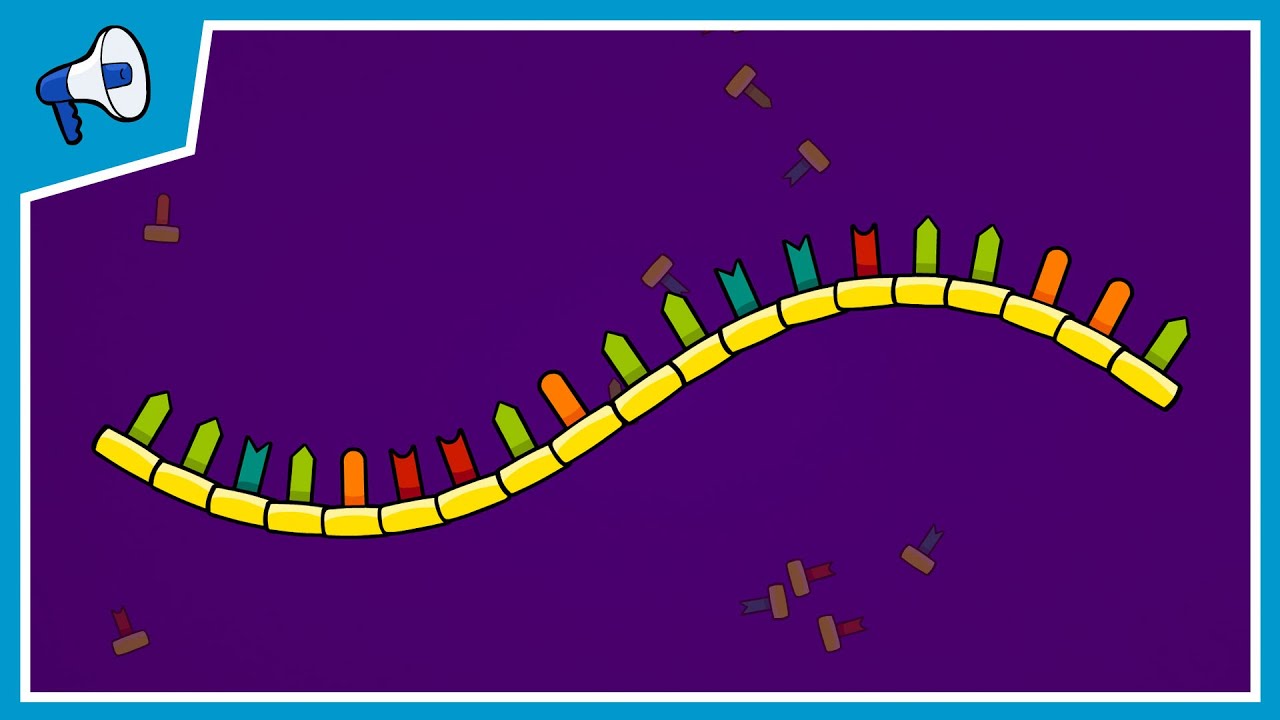
What Is the RNA World Hypothesis?
TL;DR
The RNA World Hypothesis posits that early life on Earth used RNA for both genetic information storage and catalytic functions, predating the rise of DNA and proteins.
Imagine a world before DNA, before proteins, before the intricate molecular machinery we associate with life today. This isn't science fiction; it's the audacious, yet increasingly evidence-backed, concept known as the RNA World Hypothesis. First seriously proposed in the late 1960s, this idea suggests that RNA, often seen as DNA's humble messenger, was once the undisputed kingpin of primordial biology. It was the molecule that could do it all: store genetic blueprints *and* catalyze chemical reactions, a molecular multitasker par excellence.
The genius of the RNA World lies in its elegant simplicity. DNA, with its double helix and superior stability, is fantastic for long-term genetic storage, but it's a bit of a couch potato – it needs proteins (enzymes) to do anything. Proteins, meanwhile, are incredible catalysts, but they can't store genetic information. RNA, however, can fold into complex 3D shapes, giving it catalytic abilities (dubbed 'ribozymes'), *and* it can carry genetic code. It's like having a single molecular entity that's both the architect and the builder, the recipe and the chef, all rolled into one. This duality solves a major chicken-and-egg problem in abiogenesis: which came first, genes or enzymes?
Evidence for this ancient RNA reign is surprisingly abundant, lurking within our very cells. Ribosomes, the protein-making factories essential to all known life, are fundamentally ribozymes – their core catalytic function is performed by ribosomal RNA (rRNA), not protein. This ancient machinery, conserved across billions of years of evolution, whispers tales of a time when RNA was the primary mover and shaker. Furthermore, many essential cofactors in modern metabolism, like ATP and NADH, are RNA-like molecules, suggesting they are relics from an RNA-dominated past.
The journey from an RNA World to our current DNA-protein world wasn't a sudden revolution but a gradual evolution. As DNA emerged, its superior chemical stability and repair mechanisms made it a better long-term archive for genetic information. Proteins, with their vastly greater functional diversity, took over most catalytic roles, leaving RNA to its crucial, but more specialized, intermediary roles. This transition allowed life to become more complex, more robust, and ultimately, more diverse, paving the way for everything from single-celled organisms to sentient beings pondering their own origins.
Today, the RNA World Hypothesis continues to be a vibrant area of research. Scientists are actively synthesizing RNA molecules in lab conditions mimicking early Earth, demonstrating their ability to self-replicate and catalyze reactions. The discovery of various non-coding RNAs with regulatory functions in modern biology further underscores RNA's enduring versatility. It's a powerful reminder that the story of life is one of constant innovation and adaptation, where even the most fundamental rules can be rewritten over cosmic timescales. The RNA World isn't just a theory; it's a compelling narrative of life's first grand act.