DNA Replication
The cellular dance that copies life's blueprint, flawlessly (mostly!)
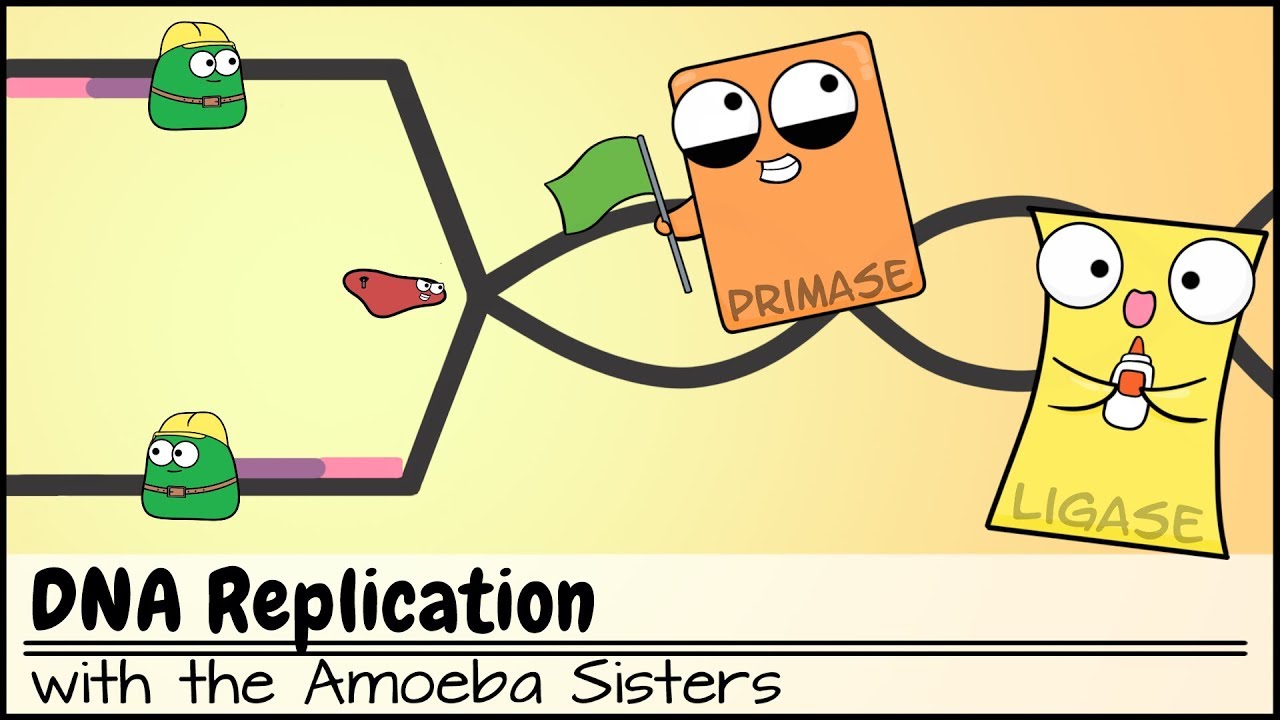
DNA Replication (Updated)
⚡ THE VIBE
✨DNA Replication is the astonishing biological process by which a cell makes two identical copies of its DNA, ensuring that every new cell receives a complete and accurate set of genetic instructions. It's the fundamental engine behind growth, repair, and heredity itself! 🧬
§1The Blueprint's Double Act: What is DNA Replication?
Imagine the most intricate instruction manual ever created, one that dictates everything about you – from your eye color to your immune system's quirks. That's your DNA! Now, picture the monumental task of copying that entire manual, page by page, letter by letter, every single time a cell divides. That, my friends, is DNA Replication in a nutshell. It's the cellular process where a double-stranded DNA molecule is duplicated to produce two identical DNA molecules. This isn't just some biological chore; it's the very foundation of life's continuity, ensuring that when cells divide, each daughter cell gets a perfect, pristine copy of the genetic code. Without it, life as we know it simply wouldn't exist! 🤯 Every multicellular organism, from the smallest bacterium to the largest whale, relies on this precise, elegant, and incredibly complex molecular dance. It's the ultimate 'copy-paste' function of the universe! ✨
§2Unzipping the Code: The Mechanism Revealed
The magic of DNA replication unfolds through a semi-conservative mechanism, a concept beautifully proposed by Watson and Crick and experimentally confirmed by Meselson and Stahl. Here's the lowdown: First, the double helix 'unzips' like a zipper, thanks to an enzyme called helicase 🌀, which breaks the hydrogen bonds between the base pairs. This creates two separate strands, each serving as a template. Next, an enzyme called DNA polymerase 🛠️ swoops in, reading the template strands and synthesizing new complementary strands. It follows the strict base-pairing rules: adenine (A) always pairs with thymine (T), and guanine (G) always pairs with cytosine (C). This results in two brand-new DNA molecules, each composed of one original (parental) strand and one newly synthesized (daughter) strand. This 'half-old, half-new' approach is what makes it 'semi-conservative' and brilliantly error-resistant! 🛡️
§3The Molecular Orchestra: Key Players and Their Roles
DNA replication isn't a solo act; it's a symphony conducted by a cast of molecular maestros. Beyond helicase and DNA polymerase, there are other crucial players. Primase lays down short RNA primers, providing a starting point for DNA polymerase, which can only add nucleotides to an existing strand. Because DNA polymerase can only synthesize in one direction (5' to 3'), one new strand (the leading strand) is synthesized continuously, while the other (the lagging strand) is built in short fragments called Okazaki fragments 🧩. DNA ligase then acts as the molecular glue, sealing these fragments together. And let's not forget topoisomerases, which relieve the supercoiling tension that builds up as the DNA unwinds. Each enzyme plays a vital, coordinated role, ensuring accuracy and efficiency. It's a testament to millions of years of evolutionary refinement! 🚀
§4Why It Matters: Life, Evolution, and Medicine
The significance of DNA replication is truly monumental. On a fundamental level, it's how life reproduces and grows. Every time you heal a wound, grow new hair, or a baby develops from a single cell, DNA replication is working overtime. But it's not just about perfect copies; it also introduces the occasional, tiny error – a mutation ⚡. While sometimes harmful, these mutations are the raw material for evolution, driving diversity and adaptation. In medicine, understanding replication is paramount. Many chemotherapy drugs target DNA replication to stop rapidly dividing cancer cells, and antiviral drugs often interfere with viral replication. The ongoing quest to understand and manipulate this process is central to fields like genetic engineering, gene therapy, and the development of new treatments for a myriad of diseases. It's the ultimate biological engine driving both health and disease! 🔬
§5Challenges and the Future: Error Correction and Beyond
Despite its incredible precision, DNA replication isn't flawless. Errors can occur, leading to mutations. Thankfully, cells have sophisticated DNA repair mechanisms 🩹, like proofreading by DNA polymerase itself and mismatch repair systems, which catch and fix most mistakes. However, when these systems fail, it can lead to serious consequences, including cancer. The future of DNA replication research is vibrant! Scientists are exploring ways to harness or inhibit replication for therapeutic purposes, developing more targeted cancer therapies, and even looking into how replication fidelity impacts aging and neurodegenerative diseases. We're also delving deeper into the epigenetic factors that influence replication timing and efficiency. The more we understand this core process, the closer we get to unlocking profound secrets of life, health, and longevity. The journey continues! 🌟