
Contents
- 🎄 Origins & History
- 📚 Literary Context
- 🎭 Adaptations & Interpretations
- 👥 Key People & Organizations
- 🌎 Cultural Impact & Influence
- 📊 Key Facts & Numbers
- 🤔 Controversies & Debates
- 🔮 Future Outlook & Predictions
- 💡 Practical Applications
- 📚 Related Topics & Deeper Reading
- Frequently Asked Questions
- References
- Related Topics
Overview
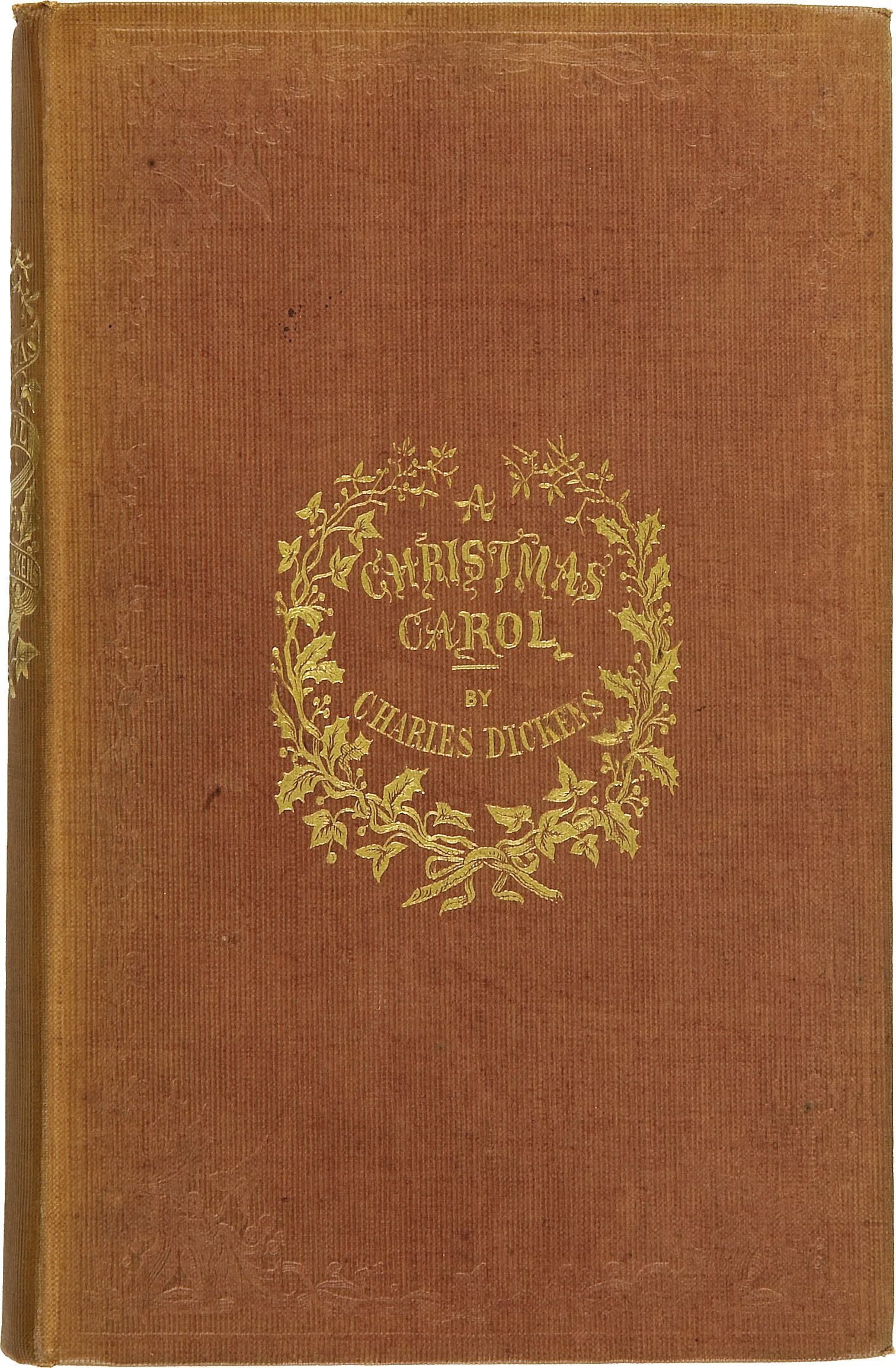
A Christmas Carol, written by Charles Dickens and first published in 1843 by Chapman & Hall, is a novella that has become an integral part of Christmas traditions worldwide. The story of Ebenezer Scrooge's transformation from a miserly old man to a kinder, gentler soul has captivated readers for generations. With its exploration of themes such as redemption, kindness, and the importance of human connection, A Christmas Carol has been translated into numerous languages and has sold over 20 million copies worldwide. The novella's impact extends beyond literature, influencing film, theater, and popular culture. As a cultural phenomenon, A Christmas Carol continues to inspire new adaptations and interpretations, with over 50 film versions and countless stage productions. The novella's enduring popularity is a testament to the power of Dickens' storytelling and the timeless appeal of his characters. With its rich historical context and literary significance, A Christmas Carol remains a beloved classic, continuing to enchant readers and audiences alike. The publication of A Christmas Carol marked a significant milestone in Dickens' career, solidifying his position as a leading literary figure of his time. The novella's success can be attributed to its thought-provoking themes, memorable characters, and Dickens' masterful storytelling. As a cultural icon, A Christmas Carol continues to inspire and influence artists, writers, and filmmakers, ensuring its place in the literary canon for generations to come.
🎄 Origins & History
The publication of A Christmas Carol in 1843 marked a significant milestone in the literary career of Charles Dickens, who was influenced by the experiences of his own youth and by the Christmas stories of other authors, including Washington Irving and Douglas Jerrold. Dickens had written three Christmas stories prior to the novella, and was inspired following a visit to the Field Lane Ragged School, one of several establishments for London's street children. The novella was illustrated by John Leech and published by Chapman & Hall in London.
📚 Literary Context
A Christmas Carol was written during a period when the British were exploring and re-evaluating past Christmas traditions, including carols, and newer customs such as cards and Christmas trees. The novella's exploration of themes such as redemption, kindness, and the importance of human connection resonated with readers and helped to popularize the idea of Christmas as a time for family, charity, and goodwill. The story's influence can be seen in the works of other authors, including Robert Louis Stevenson and J.M. Barrie.
🎭 Adaptations & Interpretations
The novella has been adapted into numerous film, stage, and television productions, including the famous 1951 film starring Alastair Sim as Scrooge. Other notable adaptations include the 1992 film starring Michael Caine and the 1999 film starring Patrick Stewart. The novella's themes and characters have also been referenced and parodied in popular culture, including in films such as Scrooged and The Muppet Christmas Carol.
👥 Key People & Organizations
Key people involved in the publication and adaptation of A Christmas Carol include Charles Dickens, John Leech, and the publishers Chapman & Hall. Other notable individuals who have been involved in adaptations and interpretations of the novella include David Lean, who directed the 1951 film, and Ronald Neame, who produced the 1970 film starring Albert Finney.
🌎 Cultural Impact & Influence
A Christmas Carol has had a significant impact on popular culture and society, influencing the way people celebrate Christmas and think about the holiday season. The novella's themes of kindness, generosity, and redemption have become synonymous with the Christmas spirit, and its characters, including Ebenezer Scrooge and Bob Cratchit, have become cultural icons. The novella's influence can be seen in the works of other authors, including Dr. Seuss and C.S. Lewis.
📊 Key Facts & Numbers
Some key facts and numbers related to A Christmas Carol include the fact that the novella has sold over 20 million copies worldwide, making it one of the best-selling books of all time. The novella has been translated into numerous languages, including French, German, and Italian, and has been adapted into over 50 film versions. The novella's original publication in 1843 was a major success, with the first edition selling out in just a few days.
🤔 Controversies & Debates
Despite its enduring popularity, A Christmas Carol has been the subject of some controversy and debate over the years. Some critics have argued that the novella is too sentimental or overly moralistic, while others have criticized its portrayal of the poor and vulnerable. However, the novella's themes of kindness, generosity, and redemption continue to resonate with readers and audiences around the world.
🔮 Future Outlook & Predictions
Looking to the future, it is likely that A Christmas Carol will continue to be a beloved and influential work of literature, with new adaptations and interpretations emerging in the years to come. The novella's timeless themes and memorable characters ensure its place in the literary canon, and its influence can be seen in many areas of popular culture. As a cultural phenomenon, A Christmas Carol continues to inspire and influence artists, writers, and filmmakers, ensuring its place in the hearts of readers and audiences alike.
💡 Practical Applications
A Christmas Carol has many practical applications, including its use as a teaching tool in schools and universities. The novella's themes and characters can be used to explore a range of topics, including literature, history, and social justice. The novella's influence can also be seen in the many charities and organizations that work to support the poor and vulnerable during the holiday season.
Key Facts
- Year
- 1843
- Origin
- London, England
- Category
- culture
- Type
- publication
Frequently Asked Questions
What is the main theme of A Christmas Carol?
The main theme of A Christmas Carol is redemption, as embodied by the character of Ebenezer Scrooge. Through his transformation, Dickens explores the importance of kindness, generosity, and compassion, particularly during the holiday season. The novella's themes are timeless and continue to resonate with readers today, making it a beloved classic. The story's influence can be seen in many areas of popular culture, including film, literature, and music. As a cultural phenomenon, A Christmas Carol continues to inspire and influence artists, writers, and filmmakers, ensuring its place in the hearts of readers and audiences alike. The novella's exploration of themes such as redemption, kindness, and generosity has made it a staple of holiday reading and viewing.
Who illustrated the original publication of A Christmas Carol?
The original publication of A Christmas Carol was illustrated by John Leech, a British artist and caricaturist. Leech's illustrations helped to bring the characters and story to life, and his work on the novella is still widely admired today. Leech's illustrations were an integral part of the novella's success, and his collaboration with Dickens helped to establish the author as a major literary figure. The illustrations have been widely praised for their detail and nuance, and continue to be studied by art historians and scholars today. As a testament to the enduring power of Leech's illustrations, many of his original drawings and sketches are now housed in museums and archives around the world.
What is the significance of A Christmas Carol in popular culture?
A Christmas Carol has had a significant impact on popular culture, with its themes and characters becoming synonymous with the Christmas spirit. The novella's influence can be seen in many areas of popular culture, including film, literature, and music. The story's exploration of themes such as redemption, kindness, and generosity has made it a staple of holiday reading and viewing. The novella's characters, including Ebenezer Scrooge and Bob Cratchit, have become cultural icons, and their stories continue to inspire and influence artists, writers, and filmmakers. As a cultural phenomenon, A Christmas Carol continues to captivate audiences around the world, ensuring its place in the literary canon for generations to come. The novella's influence can be seen in many areas of popular culture, including the works of authors such as Dr. Seuss and C.S. Lewis.
How has A Christmas Carol been adapted and interpreted over the years?
A Christmas Carol has been adapted and interpreted in many ways over the years, including film, stage, and television productions. The novella's themes and characters have been reimagined and reinterpreted by artists, writers, and filmmakers, resulting in a wide range of adaptations and interpretations. Some notable adaptations include the 1951 film starring Alastair Sim, the 1992 film starring Michael Caine, and the 1999 film starring Patrick Stewart. The novella's influence can also be seen in many other areas of popular culture, including literature, music, and art. As a testament to the novella's enduring popularity, new adaptations and interpretations continue to emerge, ensuring its place in the literary canon for generations to come. The novella's themes and characters continue to inspire and influence artists, writers, and filmmakers, resulting in a wide range of creative works that pay homage to the original story.
What is the historical context of A Christmas Carol?
A Christmas Carol was written during a period of significant social and economic change in Victorian England. The novella reflects the concerns and values of the time, including the importance of kindness, generosity, and compassion. The story's exploration of themes such as poverty, inequality, and social justice continues to resonate with readers today, making it a timeless classic. The novella's historical context is also reflected in its portrayal of Christmas traditions and customs, which were evolving during the Victorian era. The story's influence can be seen in the many charities and organizations that work to support the poor and vulnerable during the holiday season, and its themes continue to inspire and influence artists, writers, and filmmakers. As a cultural phenomenon, A Christmas Carol continues to captivate audiences around the world, ensuring its place in the literary canon for generations to come.
How has A Christmas Carol been received by critics and scholars?
A Christmas Carol has been widely praised by critics and scholars for its thought-provoking themes, memorable characters, and masterful storytelling. The novella's exploration of themes such as redemption, kindness, and generosity has been particularly praised, and its influence can be seen in many areas of popular culture. However, some critics have argued that the novella is too sentimental or overly moralistic, while others have criticized its portrayal of the poor and vulnerable. Despite these criticisms, A Christmas Carol remains a beloved classic, and its influence continues to be felt in many areas of popular culture. The novella's reception has been shaped by its historical context, and its themes and characters continue to resonate with readers today. As a cultural phenomenon, A Christmas Carol continues to inspire and influence artists, writers, and filmmakers, ensuring its place in the literary canon for generations to come.
What is the future outlook for A Christmas Carol?
The future outlook for A Christmas Carol is bright, with the novella continuing to captivate audiences around the world. New adaptations and interpretations continue to emerge, ensuring its place in the literary canon for generations to come. The novella's themes and characters continue to inspire and influence artists, writers, and filmmakers, resulting in a wide range of creative works that pay homage to the original story. As a cultural phenomenon, A Christmas Carol continues to inspire and influence new generations of readers and audiences, ensuring its place in the hearts of people around the world. The novella's influence can be seen in many areas of popular culture, including film, literature, and music, and its themes continue to resonate with readers today. The novella's future outlook is shaped by its enduring popularity and its ability to continue to inspire and influence new generations of artists, writers, and filmmakers.